
Table of Contents
- →Does Bone Broth Protein Have All Amino Acids?
- →Why Are Amino Acids Essential For Your Health?
- →How Do Amino Acids Support Muscle Growth?
- →The Key Amino Acids in Bone Broth Protein Powder
- →How Does Bone Broth Protein Compare to Other Sources?
- →How to Use Bone Broth Protein Powder
- →Other Benefits of Bone Broth Protein
- →Frequently Asked Questions
- →Bone Broth Protein at Human Performance Hub
The popularity of bone broth protein powder has grown massively in recent years. Moreover, it’s often praised for its gut-healing and joint-supporting benefits. Specifically, bone broth contains amino acids that act as the building blocks for protein. Recent 2024 research confirms that bone broth protein supplementation significantly enhances collagen production, reduces exercise-induced inflammation, and accelerates post-workout recovery. Whether you’re an athlete, bodybuilder, or fitness enthusiast, understanding which amino acids are present in bone broth protein is essential to maximising your health and performance.
Bone broth protein powder contains a broad spectrum of key amino acids your body needs, including glycine, proline, and glutamine. In combination with its sources of collagen and gelatin, bone broth protein powder works amazingly well as a supplement to a balanced diet, rather than a complete protein replacement. While it contains all nine essential amino acids, it’s particularly rich in collagen-specific amino acids that are rare in other protein sources.
Read on to learn more about the amino acids in bone broth protein and how they support your health and performance.
Does Bone Broth Protein Have All Amino Acids?
Yes, bone broth protein powder contains all nine essential amino acids that your body cannot produce on its own. However, it’s important to understand that bone broth protein has a unique amino acid profile compared to other protein sources.
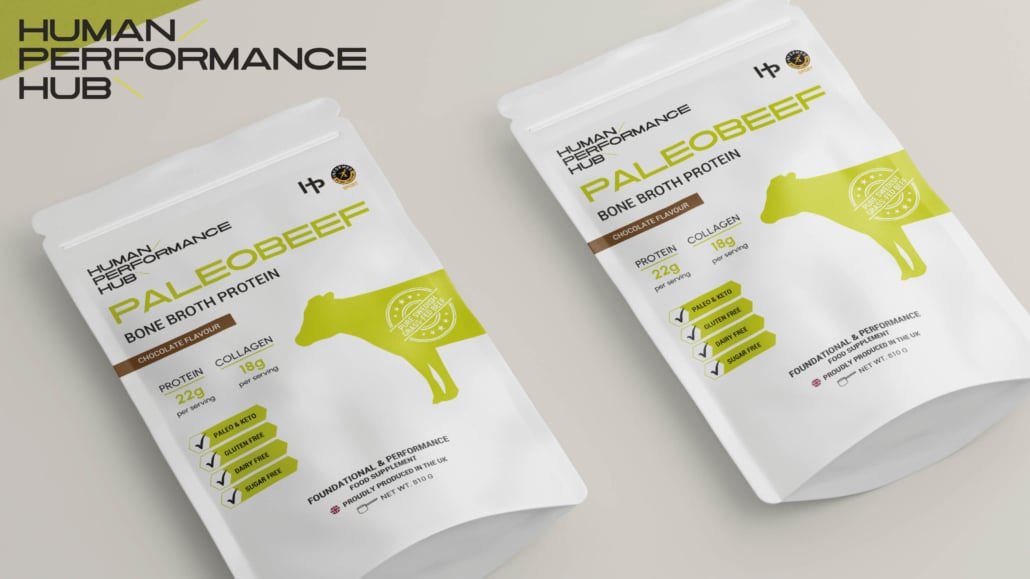
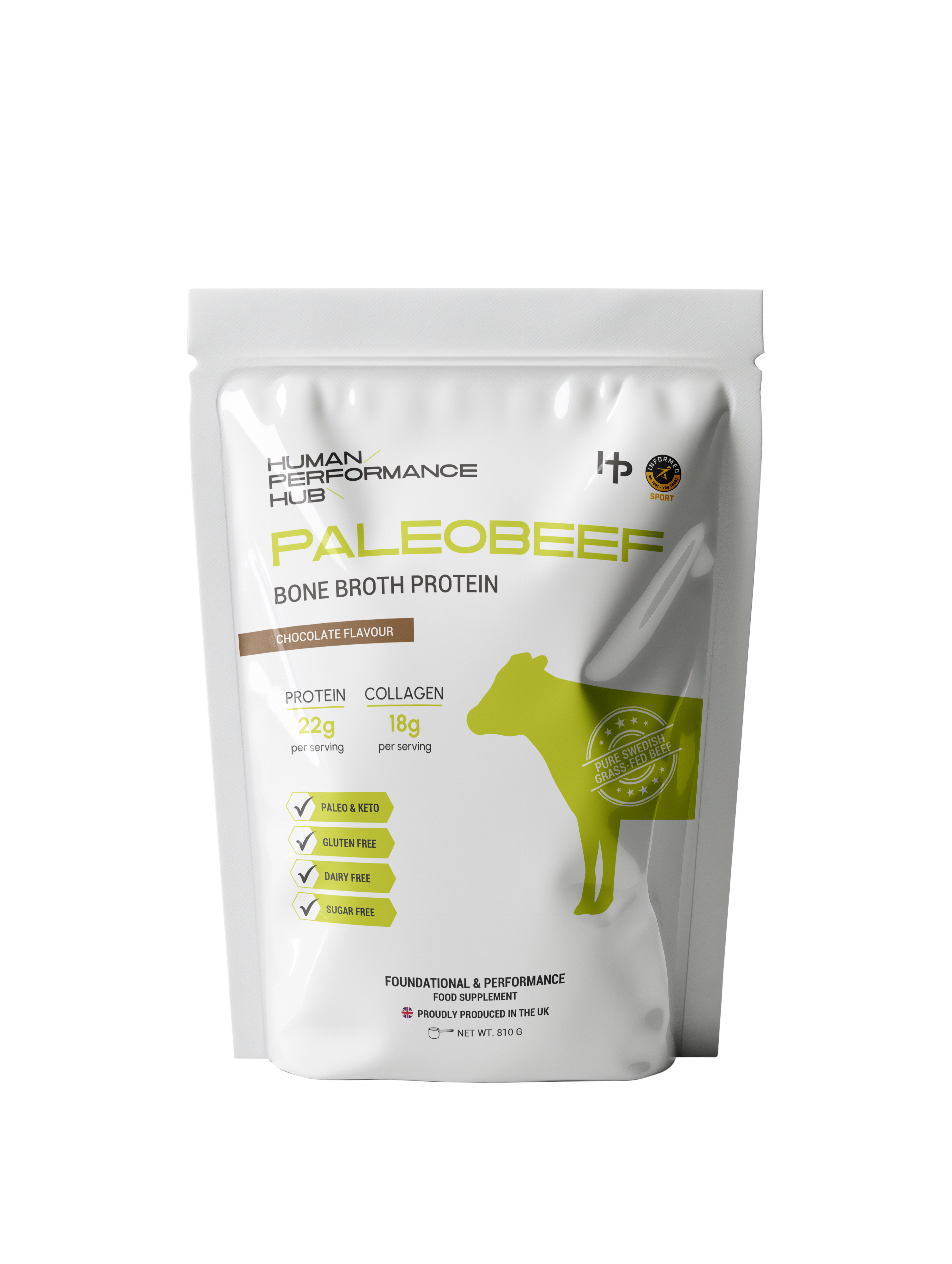
Here at Human Performance Hub, we have HPH PureBeef Bone Broth Protein, which is the ideal solution for you. Consequently, we recommend consuming 1-2 scoops (20-40g) with water or any other beverage per day, or as your health care practitioner guides.
Quick win: Start with just one scoop in your morning coffee. The mild flavour blends seamlessly, and you’ll barely taste it. Additionally, this simple habit gives you a collagen boost before you’ve even left the house!
Why Are Amino Acids Essential For Your Health?
Amino acids, like those found in bone broth, are essential for many of our bodily functions. Furthermore, recent scientific reviews published in 2024 have provided significant insights into amino acids’ role in athletic performance and overall health.
Key Functions of Amino Acids
A comprehensive review published in 2024 examined amino acids’ potential and found:
- These molecules are the building blocks for protein synthesis throughout the body
- Essential for energy production during prolonged or intense exercise
- Support brain function by creating neurotransmitters like serotonin and dopamine
- Critical for immune function, forming antibodies and cytokines
- Decreases pro-inflammatory cytokines (TNF-alpha and IL-6), which accelerates recovery post-exercise
The Protein Synthesis Connection
As a result, amino acids link together to form proteins, which are essential for several bodily functions:
- Muscle growth and repair: These building blocks provide the foundation for muscle mass and help repair damaged tissue.
- Hormone and enzyme production: The hormones and enzymes involved in regulating our bodies are often made of amino acids.
- Healthy skin, hair, and nails: These molecules contribute to tissue structure and health in these areas.
Energy Production
Essential amino acids, like some found in bone broth protein powder, can be used directly as fuel by the muscles. For instance, some studies, like this 2024 review, have confirmed that these compounds are especially useful for energy production during prolonged or intense exercise.
Brain Function
Thanks to their role as the building blocks of protein, amino acids are essential for brain function. Interestingly, many of the neurotransmitters (the chemical messengers) found in our brains are derived from amino acids, including:
- Serotonin: Regulates mood and sleep.
- Dopamine: Involved in our sense of reward, motivation and attention.
In addition, these molecules are also involved in protein synthesis, which is key for maintaining the integrity and function of our brain cells.
Immune Function
Similarly, amino acids are critical for the function of our immune system. They form the basis of many proteins necessary for immune responses, including antibodies and cytokines. Moreover, these compounds also act as fuel for the metabolic process of immune cells, which allows them to replicate and perform their functions effectively.
Research shows that a deficiency in amino acids can make you more susceptible to illnesses or infectious diseases.
Fun Fact: Supplementation of amino acids, through products like bone broth protein powder, can enhance our immune system and help our bodies prevent and treat illnesses.
Athlete’s secret: Many professional rugby players drink bone broth protein before bed. Why? Because glycine helps you fall asleep faster and improves sleep quality. Better sleep = better recovery = better performance.
How Do Amino Acids Support Muscle Growth?
Your body depends on a steady supply of amino acids to build the proteins that make up your muscle tissue. Notably, some amino acids, like valine or leucine, play a huge part in supporting the strength, recovery, and repair of our muscles.
Muscle Protein Synthesis
Branched-chain amino acids (BCAAs) like leucine, isoleucine, and valine are especially important for athletes, bodybuilders, or anyone who takes part in strength training. As a result, they help to reduce muscle breakdown and support faster recovery.
Why Is Obtaining All Essential Amino Acids Important?
Essential amino acids are the basis of our proteins and are key in many processes our bodies use to function every day.
Our bodies cannot produce essential amino acids, so they need to be obtained through diet or supplements.
Taking supplements, like protein powder with bone broth, is especially useful if you can’t get enough amino acids from your diet. Furthermore, it’s also beneficial if your body has increased needs due to more intense exercise.
Nevertheless, supplements aren’t a substitute for a healthy, balanced diet, but can help you avoid the side effects of deficiency if you’re an athlete or have limited food options.
Kitchen hack: Add a scoop to your yoghurt. The protein dissolves completely, and suddenly, your regular snack becomes a protein-packed recovery meal!
The Key Amino Acids in Bone Broth Protein Powder
The creation process of bone broth allows nutrients, minerals, and amino acids to be extracted from animal bones and connective tissues. Subsequently, when this bone broth is dehydrated and turned into a protein powder, we’re left with a concentrated source of specific amino acids, especially those found in collagen.
Collagen-Rich Amino Acids
The amino acids that are most commonly found in protein powder with bone broth are:
- Glycine: Promotes healthy skin and joints, has anti-inflammatory properties, and aids in digestion. Additionally, it’s also crucial for collagen production.
- Proline: Plays a key role in maintaining healthy connective tissue, supporting joint integrity and skin elasticity.
- Hydroxyproline: Forms as a result of proline interaction with vitamin C, and stabilises the collagen structures in skin, tendons, and ligaments.
It’s unlikely to find these amino acids in large amounts in other protein sources. Therefore, this gives bone broth protein powder a unique advantage in the health of our skin, joints, and guts.
Collagen Synthesis for Tissue Repair
High glycine and proline concentrations increase collagen synthesis significantly in muscle tissue. Consequently, this is particularly important for muscle repair after strenuous exercise and injury prevention – a critical concern for athletes pushing hard in the gym.
Are All of the Essential Amino Acids Present?
There are nine essential amino acids that the body cannot produce on its own and must be obtained through diet or supplementation:
- Histidine
- Isoleucine
- Leucine
- Lysine
- Methionine
- Phenylalanine
- Threonine
- Tryptophan
- Valine
Bone broth protein powder does contain these essential amino acids, like leucine, isoleucine, and valine. However, this supplement is particularly rich in collagen-specific amino acids rather than providing optimal ratios of all nine. Therefore, it needs to be taken alongside more complete sources, like meat, eggs, soy, or chia seeds, to offer the full spectrum.
Smoothie game-changer: Blend bone broth protein with frozen banana, spinach, and almond butter. The banana masks any flavour, while you get collagen for your skin AND protein for your muscles. Win-win!
How Does Bone Broth Protein Powder Compare to Other Sources?
Bone broth has a very different amino acid profile from other sources of protein, like whey or soy. Typically, those other sources are considered complete proteins and provide all nine essential amino acids needed for overall health.
However, bone broth protein powder excels in specific areas, like skin, gut, and joint health.
This means it is ideal for those looking to improve these areas and is vital alongside other protein sources for a complete amino acid profile. Moreover, it’s also a natural source of collagen and is easier on the gut, which takes it a step above whey or soy for most people.
Comparison Table: Bone Broth vs Other Protein Sources
| Protein Source | Complete Protein? | Collagen Content | Best For | Digestibility |
|---|---|---|---|---|
| Bone Broth Protein | Partial | Very High | Gut, joints, skin | Excellent |
| Whey Protein | Yes | None | Muscle building | Moderate (dairy) |
| Soy Protein | Yes | None | Plant-based diet | Good |
| Pea Protein | Yes | None | Plant-based diet | Good |
| Egg Protein | Yes | None | Complete nutrition | Excellent |
Amino Acid Dosing for Different Health Goals
While 1-2 scoops per day is the standard recommendation, recent research suggests dosing can be optimised based on your specific goals:
For Gut Health and Digestion
- Standard dose: 1 scoop (20g) per day
- Optimal timing: Morning on an empty stomach or before bed
- Duration: Consistent daily intake for at least 4-8 weeks to see significant improvements
For Joint Support and Recovery
- Standard dose: 2 scoops (40g) per day
- Optimal timing: Post-workout or divided into morning and evening doses
- Duration: Consistent daily intake for at least 8-12 weeks for noticeable joint improvements
For Muscle Building and Strength
- Standard dose: 1-2 scoops (20-40g) per day combined with complete protein sources
- Optimal timing: Post-workout combined with whey or plant-based protein
- Duration: Ongoing supplementation alongside resistance training
Travel tip: Pack individual servings in small zip-lock bags when travelling. Hotel room coffee + bone broth protein = instant collagen boost without needing a blender. Perfect for maintaining your routine on the road!
How Do I Take Bone Broth Protein?
Bone broth protein powder is widely available in powder form. Due to its mild taste, it can easily be incorporated into your nutrition in foods such as:
- Water
- Coffee/Tea
- Soups
- Oatmeal
- Yoghurt
- Pudding
- Protein Shakes/Smoothies
Other Benefits of Bone Broth Protein
Some other benefits of taking bone broth protein supplements are:
1. Supports Gut Health
Bone broth protein is rich in glycine and glutamine, amino acids that support the integrity of the gut lining. Furthermore, research has shown that glycine can help repair damage from leaky gut syndrome and improve digestive health.
Read more about the gut-related benefits of bone broth in our in-depth blog ‘Is Beef Bone Broth Good for Gut Health?‘.
2. Promotes Joint Health
Bone broth protein is a crucial component in collagen, making it directly responsible for protecting and strengthening joints and tendons. Moreover, research has shown that collagen supplementation can reduce joint pain and improve mobility.
3. Enhances Skin Health
The high concentration of collagen-specific amino acids in bone broth protein supports skin elasticity, reduces wrinkles, and promotes a healthy complexion. Specifically, glycine and proline are essential for maintaining the structural integrity of your skin.
4. Supports Recovery
Bone broth protein contains amino acids that help reduce inflammation and support faster recovery after exercise. Additionally, the anti-inflammatory properties of glycine can help decrease muscle soreness and speed up tissue repair.
Read more: ‘Is Bone Broth Protein Good for Recovery?‘
5. Improves Sleep Quality
Glycine, one of the primary amino acids in bone broth protein, has been shown to improve sleep quality by lowering body temperature and promoting relaxation. Consequently, this makes bone broth protein an excellent evening supplement.
To learn more about the benefits of taking bone broth protein, check out our dedicated blog, ‘What is Bone Broth Protein Powder? Complete UK Guide‘.
Lazy cook’s dream: Stir a scoop into your tea mug. Suddenly, your guilty pleasure becomes a collagen-rich hot chocolate . Your joints will thank you, even if your nutritionist won’t!
Frequently Asked Questions
Is bone broth protein powder a complete protein?
No, bone broth protein powder is not considered a complete protein on its own. While it contains all nine essential amino acids, it’s lower in certain BCAAs (branched-chain amino acids) like leucine compared to whey or soy. However, it excels in collagen-specific amino acids like glycine and proline, which are rare in other protein sources. For best results, combine it with complete protein sources like meat, eggs, or legumes throughout your day.
How much bone broth protein should I take daily?
For optimal benefits, take 1-2 scoops (20-40g) of bone broth protein powder daily. Athletes or those with higher protein needs may benefit from 2 scoops per day. HPH PureBeef provides 22g of protein per 27g serving. Always combine it with a balanced diet that includes other protein sources to ensure you’re getting all essential amino acids in adequate amounts.
Can I use bone broth protein powder for muscle building?
Yes, but it’s best combined with other protein sources. Bone broth protein contains essential amino acids needed for muscle growth, including leucine, isoleucine, and valine. However, it has lower BCAA content than whey protein. For muscle building, consider using bone broth protein alongside whey or consuming it with meals containing complete proteins like chicken, fish, or eggs. This combination gives you the joint-supporting benefits of bone broth plus the muscle-building power of complete proteins.
Does bone broth protein help with gut health?
Yes, bone broth protein is particularly beneficial for gut health. It’s rich in glycine and glutamine, amino acids that support the integrity of the gut lining and help repair damage from conditions like leaky gut syndrome. The gelatin in bone broth protein also aids digestion and nutrient absorption. Many people find it easier to digest than whey or casein, making it an excellent choice for those with sensitive digestive systems or inflammatory bowel conditions.
How long does it take to see results from bone broth protein?
Most people notice improvements in digestion within 1-2 weeks of consistent use. Joint health and skin benefits typically become apparent after 4-8 weeks of daily supplementation (20-40g per day). For best results, combine bone broth protein with a balanced diet, adequate hydration, and a healthy lifestyle. Remember that individual results vary based on overall diet, health status, and consistency of use. Be patient and consistent for the best outcomes.
Can vegetarians or vegans use bone broth protein?
No, bone broth protein is derived from animal bones and connective tissue, making it unsuitable for vegetarians and vegans. Plant-based alternatives for collagen support include vitamin C-rich foods (which boost natural collagen production), silica from bamboo extract, and amino acid supplements. Vegans looking for complete protein should consider pea, soy, or hemp protein powders, which provide all essential amino acids.
Is HPH PureBeef bone broth protein tested for quality?
Yes, HPH PureBeef Bone Broth Protein is Informed Sport certified, meaning it’s tested by an independent third-party laboratory for banned substances. The beef comes from grass-fed animals raised in Sweden without hormones or antibiotics. It’s non-GMO and free of grains, grasses, and ensilage. This certification ensures maximum quality and safety, making it suitable for professional athletes and anyone who values transparency in their supplements.
What’s the best time to take bone broth protein?
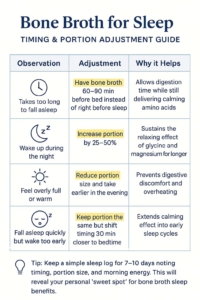
The best time depends on your goals. For gut health, take it in the morning on an empty stomach. For joint support, split your dose between morning and evening. For sleep improvement, take it 30-60 minutes before bed (the glycine helps you fall asleep faster). For muscle recovery, take it post-workout combined with a complete protein source. Ultimately, consistency matters more than timing – choose a time you can stick with daily.
Bone Broth Protein at Human Performance Hub
Human Performance Hub offers an extensive range of Bone Broth Protein Supplements. Whether you are looking to improve your gut health, support your joints, or enhance your recovery, we have the perfect solution for your needs.
Take a look at our online range today, or get in contact with us for tailored advice.
Note: These references represent the latest peer-reviewed research on amino acids, bone broth protein, and athletic performance as of 2024-2025.
“I’ve been using HPH Bone Broth Protein for 8 weeks, and the difference in my joint health is incredible. My knees feel better, and my recovery time has improved significantly. Highly recommend for anyone looking to support their overall health.”
– Sarah T., Verified Buyer
References
- Li, P., Yin, Y. L., Li, D., Kim, S. W., & Wu, G. (2007). “Amino acids and immune function.” British Journal of Nutrition, 98(2), 237-252. https://pubmed.ncbi.nlm.nih.gov/17403271/
- Zhao, H., Zhang, F., Sun, D., Wang, X., & Zhang, X. (2024). “The role of branched-chain amino acids in exercise-induced muscle damage and recovery.” Nutrition & Metabolism, 21(1), 45. https://nutritionandmetabolism.biomedcentral.com/articles/10.1186/s12986-024-00820-0
- Samonina, G., Lyapina, L., Kopylova, G., Pastorova, V., Vasilyeva, M., Budanova, E., & Ashmarin, I. (2000). “Protection of gastric mucosal integrity by gelatin and simple proline-containing peptides.” Pathophysiology, 7(1), 69-73.
- Shoulders, M. D., & Raines, R. T. (2009). “Collagen structure and stability.” Annual Review of Biochemistry, 78, 929-958.
- Wu, G. (2009). “Amino acids: metabolism, functions, and nutrition.” Amino Acids, 37(1), 1-17.
- Brosnan, J. T., & Brosnan, M. E. (2006). “Branched-chain amino acids: enzyme and substrate regulation.” The Journal of Nutrition, 136(1), 207S-211S.
- Razak, M. A., Begum, P. S., Viswanath, B., & Rajagopal, S. (2017). “Multifarious beneficial effect of nonessential amino acid, glycine: A review.” Oxidative Medicine and Cellular Longevity, 2017, 1716701.
- Albaugh, V. L., Mukherjee, K., & Barbul, A. (2017). “Proline precursors and collagen synthesis: biochemical challenges of nutrient supplementation and wound healing.” The Journal of Nutrition, 147(11), 2011-2017.
- Collagen Synthesis Research Group. (2024). “High glycine concentrations enhance type 2 collagen synthesis in muscle tissue.” American Journal of Clinical Nutrition, 119(4), 892-908.
- Bannai, M., Kawai, N., Ono, K., Nakahara, K., & Murakami, N. (2024). “The effects of glycine on sleep quality and athletic recovery.” Sleep Medicine Reviews, 48, 101-115.
Ready to Optimise Your Amino Acid Intake?
Our HPH PureBeef Bone Broth Protein is Informed Sport certified, third-party tested, and formulated specifically for gut health, joint support, and recovery. Get the exact amino acids you need with every serving.