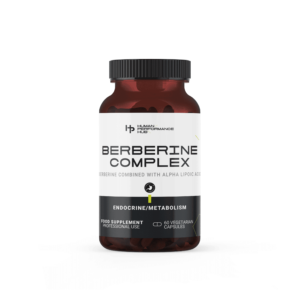
Berberine is a key supplement to take when exercising. It has numerous health benefits and has been used as a form of Traditional Chinese & Indian Medicine for centuries. In this article, we are looking at why you should be taking berberine and how it can support your workout.
So, why do bodybuilders take berberine? Bodybuilders take berberine to decrease their body fat levels by improving their metabolism. Berberine increases energy levels into their cells to promote muscle gain. Berberine also helps to improve blood glucose levels, cholesterol levels and lower blood pressure.
Read on to learn more about how berberine can help you with Human Performance Hub.
How Does Berberine Help Bodybuilders?
Berberine has many health benefits. Research into berberine has shown that alkaloid prevents fat accumulation in the intestine by downregulating the genes. This lowers cholesterol absorption and helps to promote weight loss.
Berberine may help benefit in the recovery from intense workouts. Berberine has antioxidant and anti-inflammatory properties, helping to combat oxidative stress markers. This combats the damage associated with intense bodybuilding workouts. .
Studies have shown that berberine improves energy levels. This is because berberine activates brown fat thermogenesis and limits weight gain, rather than building white fat. Energy levels are increased as the body’s energy expenditure is improved.
Does Berberine Affect Testosterone?
Previous studies suggested that testosterone levels in men decreased from taking berberine. However, more recent research has shown that berberine may increase testosterone levels in men, suggesting sex-specific effects. Trials have found that berberine does lower the testosterone levels in women that have polycystic ovaries.
Bodybuilders take testosterone to increase their muscle mass and improve their athletic performance. By taking berberine, male testosterone levels increased and this promotes the growth of muscle mass.
Does Berberine Affect Muscle Gain?
Berberine increases the uptake of glucose into cells, acting very similar to insulin. This is beneficial for muscle building, as it boosts energy production. Berberine can elevate energy storage levels and halt the breakdown of cells, both essential processes to building muscle mass.
Does Berberine Speed Up Metabolism?
Yes, berberine is shown to speed up metabolism. Berberine helps boost mitochondrial biogenesis in your muscle mass and help you to burn more energy, even while you are resting.
Does Berberine Affect Exercise?
While there is limited evidence to show that berberine impacts exercise, it does assist with the results. Berberine heightens insulin regulation and glucose transportation which benefit muscle building and prevents fat gain. If you are looking for more information on how berberine affects exercise, check out our resource on ‘Does Berberine Affect Exercise?’.
Fun fact: Berberine has been used in Indian Ayurvedic medicine for around 5000 years.
Should You Take Berberine Before or After a Workout?
It doesn’t matter if you take berberine before or after exercise. However, it’s important to note however that it has a half-life of around 5 hours.
It’s important to recognise that berberine shouldn’t be taken on an empty stomach as there is a risk of it causing hypoglycemia. It is best to take it with a meal, with most choosing to take one serving in the morning and the second serving with their evening meal. This accounts for the 5 hour half-life and gives you the best use of the supplement.
What Does Berberine Do to the Brain?
Berberine has been found to possess many positive neuroprotective effects. Research has shown that berberine improves the survival, development and function of neurons. Berberine can help protect the brain from toxins and aid with memory retention.
Studies have also found that berberine can act as an antioxidantand support the brain against oxidative stress. This prevents conditions such as cancer, diabetes and heart disease. Berberine also may improve the symptoms of depression.
https://humanperformancehub.co.uk/wp-content/uploads/2023/03/mens-health.jpg10801080hphstorehttps://humanperformancehub.co.uk/wp-content/uploads/2023/04/hph-icon-300x300.pnghphstore2023-10-11 09:58:472023-11-11 10:13:35Why Do Bodybuilders Take Berberine?
Athletes are always looking for ways to improve their performance, whether than be in the gym, on the field, or in their diet. Omega 3 has wide ranging benefits, particularly for athletes, but how much do they need to take to see noticeable results?
So, how much Omega 3 should an athlete take? To improve performance, athletes need to take more than the recommended daily intake of Omega 3 (1.1g-1.6g). This could be up to around 3.5g but can be adjusted for varying effects.
Read on to learn more about how much Omega 3 an athlete should consume, as well as how it benefits their performance, and foods rich in Omega 3.
How Much Omega 3 Should an Athlete Take for Sports Performance?
It is recommended that athletes consume a minimum of 1-2g of Omega 3 per day to see noticeable improvement. However, various studies have found that different doses may have different benefits. For example:
Athletes put their bodies through a lot each and every day, even if they’re serious about rest and recovery. However, essential fatty acids (EFAs) like Omega 3 can help to reduce inflammation and aid in recovery. It may also help to prevent injury.
The average person should consume around 1.1g-1.6g of Omega 3 per day. A number of the studies above recommend that athletes consume more than this to reap the benefits.
Omega 3 and Athletic Performance – How it Works & Benefits
Omega 3 has proven positive health benefits on, among other things, triglycerides, cholesterol values, brain function and the immune system. Other benefits include:
Strength
Studies show that Omega 3 may boost muscle protein synthesis. This increases muscle mass and strength. Likewise, Omega 3, particularly EPA, improves protein metabolism.
Further to this, Omega 3 can contribute to an athlete’s calorie intake. An athlete needs to consume a higher load of calories to replace those that are burned off during training. Omega 3-rich foods or supplements are ideal for this as they are more nutrient-dense than carbohydrates or protein, yet contain a high amount of calories to offset the deficit.
On the other side of this, research also suggests that Omega 3 may prevent the loss of muscle mass. This is particularly beneficial for those that may have suffered an injury or take a short break from training but want to maintain their muscle mass.
Endurance
Some evidence suggests that Omega 3 improves endurance. Omega 3 acts as a vasodilator, increasing oxygen flow during exercise, thus improving endurance. Likewise, other studies suggest that Omega 3 may reduce fatigue.
Recovery
Omega 3 naturally contains anti-inflammatory properties which aid in muscle recovery and help to prevent injury. Consuming a higher amount of Omega 3 (as athletes are recommended to) helps to improve the integrity of cells and cellular function which helps to reduce muscle damage and soreness.
Learn more about the benefits of Omega 3 and other fish oils in our recent blog.
Omega 3-Rich Foods
If you’re an athlete, you’re likely to be on-board with Omega 3 by now. But, what foods are rich in Omega 3? You probably already know about fish like salmon and sardine, but you can also get Omega 3 on a plant-based diet from nuts, seeds and some oils.
Fish such as anchovies, salmon, sardines, mackerel and herring
Oysters
Seeds such as chia seeds, flaxseeds and hemp seeds
Nuts such as walnuts
Soybeans
Vegetables such as Brussels sprouts
Can You Supplement Omega 3 for Sports Performance?
Omega 3 can easily be supplemented. Cod Liver Oil is a great place to start and is commonly recommended by Doctors, Nutritionists and other healthcare professionals alike.
If you want to take things further, Human Performance Hub stocks a range of Omega 3 supplements to help improve your performance.
At Human Performance Hub, we only sell premium Omega 3 supplements rich in Eicosapentaenoic acid (EPA) and Docosahexaenoic acid (DHA) – essential fatty acids.
EPA is beneficial for supporting a healthy brain, balanced emotions, skin health, maintaining normal cholesterol levels and modulating the inflammatory response. Meanwhile, DHA supports proper brain development and function, visual acuity, maintenance of normal triglyceride levels and blood pressure, eye development and healthy pregnancies in women.
Additionally, our supplements contain Omega 3 in the triglyceride (TG) – the same way they naturally occur in fish – rather than ethyl ester (EE) form which is typical of mass-produced, mass-marketed Omega 3 supplements. They are less expensive to produce, but also less beneficial than TG Omega 3 and are harder for the body to digest.
Finally, our Omega 3 supplements include mixed tocopherols, which protect these fragile oils from oxidation and rancidity. They also ensure purity and to maximise the removal of metals, pesticides, PCBs, and other contaminants
Each 2-softgel capsule serving contains 400 mg of DHA and 600 mg EPA. This is an ideal choice for athletes that require a more aggressive application of Omega 3.
Contains a high concentration of Omega 3 (2088 mg EPA and 1044 mg DHA) which is particularly beneficial after periods of intense training and to help resolve associated aches and pains.
Do Omega 3 Supplements Go Off?
Omega 3 supplements can go rancid and oxidise. This means that the fatty acids in Omega 3 react with the oxygen in the atmosphere. This process takes place through the action of Free Radicals which attack the fatty acids and changes them at a structural-molecular level.
When this process takes place, you might notice that your Omega 3 supplements start to have a rancid fish smell. This tends to be more prevalent in liquid supplements.
Unfortunately, once Omega 3 supplements start to oxidise, research suggests that this oxidation may interfere with their intended benefits (i.e. they will become less useful for athletic performance).
Final Thoughts
Omega 3 is beneficial for everyone; it is highly recommended that people consume a minimum of 1.1g-1.6g of Omega 3 per day. However, for athletes seeking to improve performance, they need to consume more Omega 3 per day – potentially up to 3.5g per day.
This is thought to provide benefits such as strength, endurance and recovery, alongside improved reaction times, better decision making, and prevention of loss of muscle mass.
https://humanperformancehub.co.uk/wp-content/uploads/2023/01/rh-hph-omega-3-ultra-120-1-1.png25602560hphstorehttps://humanperformancehub.co.uk/wp-content/uploads/2023/04/hph-icon-300x300.pnghphstore2023-10-11 09:50:302023-11-11 10:13:46How Much Omega 3 Should an Athlete Take?
Whilst glycine is the simplest amino acid found in our body, it is also one of the most crucial because it synthesises proteins. To put it simply, we are unable to live without it. Although it is found in many of the foods we eat, more often than not, we still do not get as much as we need. In this blog, Human Performance Hub explores whether glycine is good for building muscle and why athletes use glycine as a supplement.
So, is glycine good for building muscle? Yes. Glycine is fantastic for building muscle because it synthesises proteins and plays a vital role in the creation of creatine and collagen. Both of these lead to an increase in growth hormone release which ultimately builds muscle.
Keep reading to find out more about how glycine builds muscle and why athletes use glycine to improve physical performance.
Does Glycine Build Muscle?
Yes. Glycine is a huge contributor to muscle growth because it plays a vital part in the creation of creatine and collagen, both of which provide strength for your muscles. Studies show that a high dose of glycine intake can cause an increase in growth hormone release. This post-workout boost can help stimulate protein synthesis, build muscle and promote faster recovery.
As a non-essential amino acid produced by the body, glycine synthesises proteins and plays a crucial role in the creation of:
Creatine
Glycine is one of three amino acids that your body uses to make a compound called creatine. Creatine provides your muscles with energy to perform quick, short bursts of activity, such as weightlifting and sprinting. On top of this, when creatine is combined with resistance training, studies show that it increases muscle size, strength and power. Bodybuilders use creatine supplementation to gain both muscle strength and mass.
Collagen
Collagen is a structural protein containing high amounts of glycine. In fact, every third to fourth amino acid in collagen is glycine. As the most abundant protein found in your body, collagen provides strength for your muscles, skin, cartilage, blood, bones and ligaments.
Athletes can gain a competitive edge by supplementing with glycine in the following ways:
Performance
Glycine has been proven to help with muscle gain. Experiments show that taking a single bolus with a high dose (22.5 grams) of glycine causes a 60% surge in growth hormone release from the pituitary gland in under five minutes. This rapid growth hormone boost post-workout helps build muscle and promote recovery whilst stimulating protein synthesis. Even smaller doses of four, eight and twelve grams will increase serum levels of growth hormones.
When it comes to anaerobic performance, glycine has not been studied much. However, a supplemental form of glycine known as glycine-propionyl-L-carnitine has been shown to enhance peak power production and reduce lactate build during repeated, high-intensity sprints when taken 90 minutes pre-workout.
Recovery
Glycine and green tea have been proven to be effective in recovery after injury. The combination may even get you back on the track or field sooner than you had planned. Interestingly, a study was conducted using mice with achilles tendinitis. The mice who were given a glycine and green tea cocktail had greater tissue recovery, more collagen synthesis and lower inflammation.
Therefore, it is clear that the combination of these two supplements produce a faster and more salient remodelling process after injury.
More Benefits Of Glycine
Here is a list of some of the many other benefits of taking glycine supplements:
While technically “non-essential,” the amounts of glycine we synthesise, plus dietary glycine, may fall short of the amount we need for optimal metabolic function. For all of the necessary metabolic functions to occur, we need 15 grams of glycine, however we only produce around 2.5 grams per day. This leaves another 12 grams of glycine intake needed to function at our best. Studies indicate that other sources, like dietary glycine do not meet this need.
This is where our glycine powder at Human Performance Hub comes in. We recommend that you consume 3 grams (approximately 1/2 teaspoon) with water or any other beverage per day or as directed by your health care practitioner.
How Do I Take Glycine?
Glycine is readily available as a dietary supplement in capsule or powder form. If you do not like taking pills, the powder form dissolves easily in water and has a sweet taste.
Fun fact – the name glycine is derived from the Greek word for ‘sweet’ (glykys) because of its sweet taste.
Since glycine is so sweet tasting, it is easy to incorporate into your diet by adding it to:
Coffee and tea
Soups
Oatmeal
Protein shakes
Yogurt
Pudding
Is It Safe To Take Glycine?
As with any supplements, glycine is safe to consume in appropriate amounts. Studies have used up to 90 grams of glycine per day over several weeks without serious side effects. For comparison, the standard dose used in studies is about 3-5 grams per day.
How Much Glycine Should You Take Per Day?
Start with 1 scoop of glycine powder mixed with water and taken after your evening meal. This dosage can then be increased to a maximum of 30g if you do not see any benefit from a single scoop, remember to monitor the effects and response you get from taking the supplement.
Always talk to a qualified practitioner if you need further specific advice for your health.
Whether you’re looking to improve your physical performance by building and strengthening your muscles or you’re simply looking to improve your sleep, we have something for everyone’s needs.
Take a look at our range online today, or get in touch with us for tailored advice.
https://humanperformancehub.co.uk/wp-content/uploads/2023/01/glycine-powder.png10001000hphstorehttps://humanperformancehub.co.uk/wp-content/uploads/2023/04/hph-icon-300x300.pnghphstore2023-07-06 13:25:022023-11-11 10:13:57Is Glycine Good For Building Muscle?
L-Carnitine is a molecule found in the body, used in numerous bodily processes. It is a combination of two amino acids which, when mixed together, create a single compound. Primarily, this supplement is associated with fat loss and brain function of which there are a number of studies to support this. Recently, however, people have started taking L-Carnitine with coffee to maximise the benefits. In this article, we explore whether or not it’s worth mixing L-Carnitine with coffee and discuss these potential benefits.
So, can I take L-Carnitine with coffee? Yes, you can mix L-Carnitine with coffee. It is often recommended to take with your morning coffee for best results. In fact, some experts recommend this method of consumption as the caffeine, alongside the time of day taken, may increase the benefits of taking L-Carnitine.
Read on to learn more about L-Carnitine coffee, why you should do it, and how to make it. We also go into further detail about the general benefits of taking L-Carnitine supplements.
Can You Mix L-Carnitine with Coffee?
L-Carnitine is naturally found in the body and in some foods, but to really reap the benefits, most people need to supplement their intake of L-Carnitine. Some people choose to mix L-Carnitine with coffee as caffeine can significantly improve the benefits of taking this supplement. This is due to a number of factors:
Most people take their coffee first thing in the morning. When mixing with L-Carnitine, this allows you to leverage the energy provided by both the caffeine and the supplement throughout the day.
L-Carnitine can help to stabilise the energy gained from coffee and may help to reduce the coffee shakes!
L-Carnitine coffee provides energy without needing to eat additional food. When eating this additional food, energy is gained from it, and any surplus is stored for later. With L-Carnitine, the energy comes from stored fat, making it great for weight or fat loss.
Some studies show that L-Carnitine works best when consumed in smaller amounts alongside foodstuff. Mixing it with coffee gives you a bit of supplement with each sip, rather than in one large dose.
When to Take L-Carnitine Coffee
Most people recommend taking L-Carnitine mixed into their morning coffee. This is because one of the key benefits of taking the supplement this way is to boost energy. There’s no point in waiting to take it with lunch or dinner if your primary aim is an energy boost (unless you need a mid-afternoon pick-me-up!).
Furthermore, some people recommend taking L-Carnitine coffee in the morning on an empty stomach. This is to allow the compound to more rapidly digest and activate the benefits sooner.
How to Take L-Carnitine With Coffee
If you want to add L-Carnitine to coffee, simply take your L-carnitine capsule with your morning coffee.
If you’re taking L-Carnitine coffee for exercise purposes, it’s important to take it around an hour before working out. For other benefits, it can be taken at your convenience, although it’s best to have it early in the morning.
Benefits of L-Carnitine
We’ve touched on the benefits of taking L-Carnitine with coffee, but there are a world of other benefits associated with the supplement. These include:
Weight/Fat Loss
Research is divided on the effects of L-Carnitine on weight loss, however, in theory, it supports weight loss by producing energy from existing fat stores. Learn more about this in our blog, What are the Benefits of L-Carnitine? Where we go into more detail about this particular benefit.
Supports Brain Function
We’ve already discussed how L-Carnitine is great for energy production, but it may also be effective in supporting general brain function. Research indicates that the ALCAR form of L-Carnitine may help against age-related mental decline. Additionally, it may support and improve markers of learning.
Furthermore, some studies indicate that taking L-Carnitine daily helps to reverse the decline in brain function in association with brain diseases such as Alzheimer’s. In some cases, it may also protect the brain from cell damage.
Supports Heart Health
Some studies have shown that L-Carnitine may help to reduce blood pressure and support the inflammatory processes associated with heart disease. In fact, one study reported that just 2 g per day resulted in an almost 10-point drop in systolic blood pressure – an important indicator of heart health.
Boosts Exercise Performance
Evidence is mixed in relation to L-Carnitine’s relationship with exercise performance. However, it may benefit the following factors, especially when taken with caffeine:
If you’re ever unsure about supplement dosage, consult the instructions on the packaging, or speak with your doctor or functional medicine practitioner. As a rule of thumb, however, experts suggest the following dosages for different forms of L-Carnitine:
Acetyl-L-Carnitine: 0.6-2.5 g per day
L-Carnitine L-Tartrate: 1-4 g per day
L-Carnitine Supplements at Human Performance Hub
At Human Performance Hub, we aim to empower people with knowledge, personalised services, and quality supplements to make informed decisions to improve their health.
We stock a range of L-Carnitine supplements to help support your goals. Choose from
https://humanperformancehub.co.uk/wp-content/uploads/2023/05/coffee-g5f2a41ece_1280.jpg8531280hphstorehttps://humanperformancehub.co.uk/wp-content/uploads/2023/04/hph-icon-300x300.pnghphstore2023-05-19 14:09:552023-08-19 08:39:41Can I Take L-Carnitine with Coffee?
Glycine is a naturally occurring amino acid that the body uses to create proteins. This is needed for the growth and maintenance of tissue, for the production of hormones and enzymes and for a number of other health benefits. In this article, we discuss the top 7 benefits of glycine to help you understand why supplementing with glycine can be so valuable.
So, what are the top 7 glycine benefits? Glycine is an amino acid that contributes to a number of health benefits including the production of serotonin and glutathione, improving sleep, supporting athletic performance, reducing the risk of heart disease and more.
Read on to learn more about what glycine is, what it does and how much should be taken per day to receive the benefits.
What is Glycine and What Does it Do?
Glycine is an amino acid that naturally occurs in the body. It can also be consumed in food such as meat, fish, dairy, legumes, or as a supplement. It is a building block for making proteins in the body and is involved in transmitting chemical signals to the brain, as well as stimulating the production of serotonin, the “feel-good hormone”.
Further to this, glycine is also a key component of collagen, the protein that gives structure to the bones, skin, muscles and connective tissues. Other benefits and uses for glycine (in which we will go into more detail later) include:
Mood and memory
Sleep
Needed to produce an antioxidant
Improves brain-muscle performance
Decreases the risk of heart disease
Protects the liver from alcohol damage
Aids in the management and prevention of diabetes
Top 7 Benefits of Glycine
Below we go into more detail about the top 7 glycine benefits.
Powerful Antioxidant
Glycine is one of three amino acids that the body uses to create glutathione, a powerful natural antioxidant. Glutathione protects the cells against oxidative damage caused by free radicals (thought to underlie many diseases).
If the body doesn’t naturally produce enough glycine (or other amino acids), less glutathione will be produced. This may negatively impact how the body handles oxidative stress. Over time, the body begins to produce less glutathione, therefore, it’s important to supplement glycine levels with diet or supplements.
Decreases Risk of Heart Disease
As a powerful antioxidant and anti-inflammatory, glycine may help to reduce the risk of heart disease. In fact, a study in the Journal of the American Heart Association found that those with a higher plasma glycine level had a reduced risk of heart attack and had a more favourable heart disease profile.
Improves Brain-Muscle Performance
Glycine plays a part in the creation of creatine, a substance that provides muscles with the energy needed for short bursts of strength and speed. It is a particularly popular benefit for athletes.
It can also provide the brain with energy which can help with cognitive functions such as short-term memory and reasoning.
May Improve Sleep Quality
Amino acids like glycine are thought to have a calming effect on the brain and may help people to fall asleep easier. It may also help people to stay asleep by lowering their core body temperature.
Further to this, research has shown that glycine can help to lessen daytime sleepiness and improve cognition.
Aids in Diabetes Management and Prevention
It is thought that glycine may aid in the management and prevention of diabetes as glycine stimulates a gut hormone that increases the ability of insulin to remove glucose from the bloodstream.
Protects the Liver from Alcohol Damage
Whilst there are a number of health benefits to reducing alcohol intake, glycine has been shown to reduce the harmful effects of alcohol on the liver by preventing inflammation.
It may also reduce concentrations of alcohol in the blood by stimulating the metabolism of alcohol in the stomach, rather than in the liver which may prevent the development of fatty liver and alcohol cirrhosis.
Further to this, glycine may also aid in the reversal of liver damage and improve the recovery process. In a study, liver cell health returned to baseline 30% faster in those supplemented with glycine than those without. That being said, more research is needed in this area.
Impacts Mood and Memory
Glycine stimulates the production of serotonin, the “feel-good” hormone that helps to improve mood, memory and cognitive thinking. In fact, some people refer to glycine as a “natural antidepressant”. However, it’s important to note that these benefits are typically short-lived.
How Much Glycine Should You Take Per Day?
We recommend starting with 1 scoop of glycine powder mixed with a bit of water and taken after your evening meal. This dosage can be increased to a maximum of 30g if you do not see any benefit from a single scoop, but be sure to monitor the effects and response you get from the supplement. Talk to a qualified practitioner if you need further specific advice for your health.
Glycine Powder at Human Performance Hub
At Human Performance Hub, we offer our own Glycine Powder supplement to help improve your performance, encourage better sleep, boost your mood and assist with a number of other health benefits. Take a look at our range online today, or get in touch with us for tailored advice.
For free news and advice straight to your inbox, subscribe to our newsletter.
https://humanperformancehub.co.uk/wp-content/uploads/2021/07/human-performance-hub-glycine-powder.png10001000hphstorehttps://humanperformancehub.co.uk/wp-content/uploads/2023/04/hph-icon-300x300.pnghphstore2023-03-28 10:40:402023-05-31 16:11:56The Top 7 Benefits of Glycine Powder
Optimal digestion is challenging to achieve if the digestive function is compromised. It can result in a lack of essential nutrients absorbed from food. There are a number of conditions that may impact digestion, meaning food is not broken down properly, and nutrients are not absorbed. This is where Digestive Enzymes can aid the digestion process.
What Are Digestive Enzymes and Digestzymes?
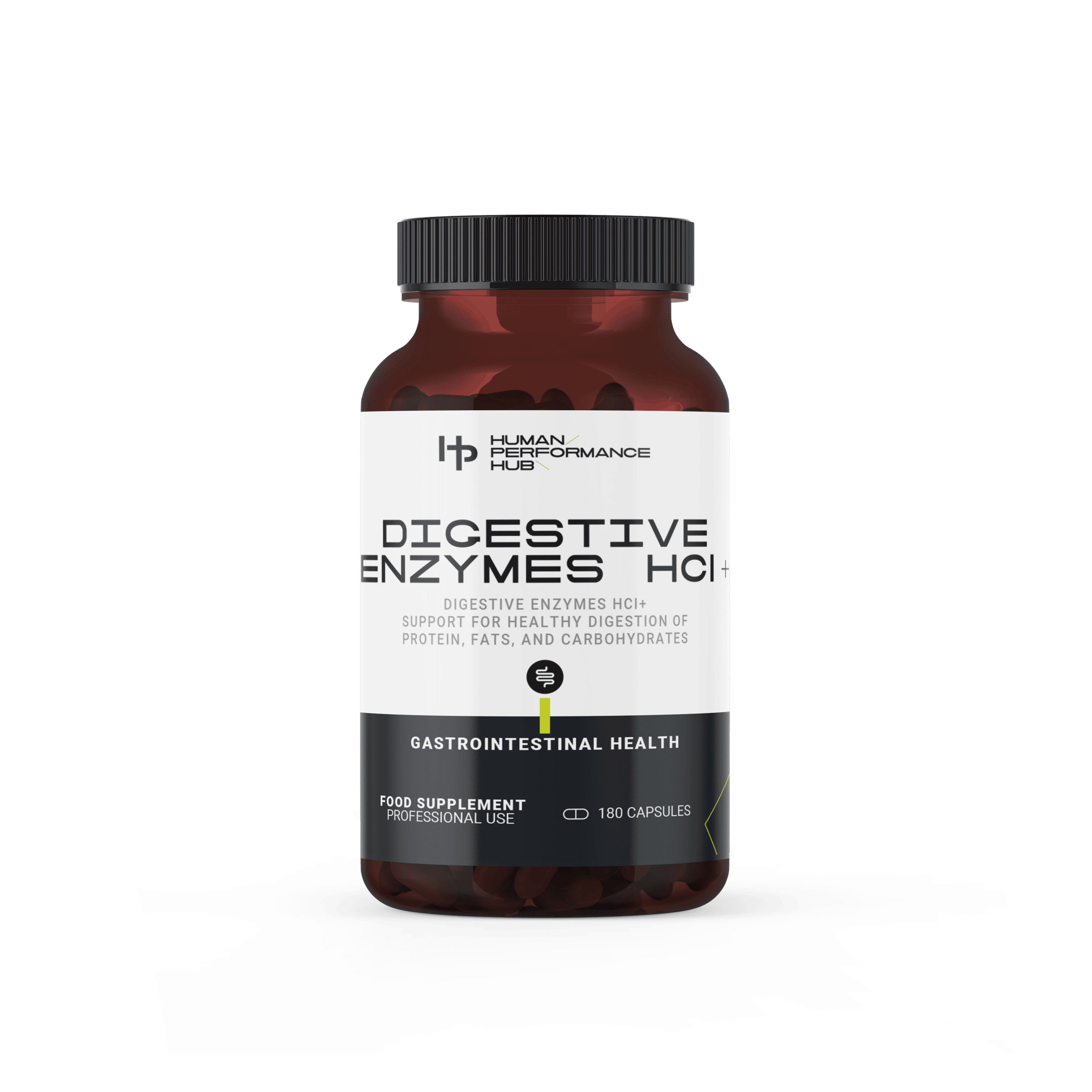
Digestzymes combine digestive enzymes and betaine hydrochloride to maintain optimal digestion of proteins, fats and carbohydrates. The ingredients included in Digestzymes can alleviate the symptoms of digestive problems after eating, including gas and bloating, diarrhoea, occasional constipation and a feeling of fullness with smaller meals. As well as digesting the food, this blend also supports nutrient absorption.
What Are the Ingredients in Digestzymes?
Digestzymes contain a blend of digestive enzymes to aid the digestion process. Ingredients include:
Betaine HCI – HCI, also known as gastric acid, is an essential part of digestion and nutrient absorption in the body. It modulates acidity levels, creating an appropriate alkaline environment for the optimal efficiency of pancreatic enzymes.
Pancreatic Enzymes – Required for the proper digestion and absorption of food, enzymes produce lipases, proteases and amylases to break down fats, proteins and carbohydrates.
Ox Bile Extract – Originating in the liver, bile is a complex aqueous secretion that contains key components for proper digestion and supporting fat emulsification.
Dipeptidyl Peptidase IV (DPP IV) – This enzyme has the potential to aid in the digestion of food-derived opioids peptides, including those found in casein, wheat, and soy.
The recommended starting dosage of Digestzymes is 2 capsules consumed in between a solid meal (eating half the meal and having 2 – 4 caps and then continuing with the rest of the meal), or follow directions from your healthcare practitioner.
Who Would Benefit from Digestzymes?
People who produce too little gastric acid would benefit from the Betaine HCI part of Digestzymes. Too little gastric acid can lead to heartburn, nausea and hair loss, amongst other symptoms. Digestzymes can alleviate or remove these issues by balancing the body’s gastric acid levels. There are also other symptoms and conditions that Betaine HCI can positively impact, including stress, ageing and certain diseases.
Individuals suffering from Pancreatic Insufficiency (EPI), a condition where the pancreas does not produce enough enzymes to digest food, would benefit from the pancreatic enzymes included in Digestzymes. This blend would positively affect conditions like diabetes, celiac disease, IBS and many more.
The liver, gallbladder and gut microbiome problems can affect the body’s natural bile balance. Conditions that could benefit from the ox bile extract included in Digestzymes include bile acid diarrhoea, liver issues and metabolic disorders. People lacking digestive enzymes may experience sensitivities and discomfort when eating particular foods, meaning they should reap the benefits of the Dipeptidyl peptidase IV included in Digestzymes.
Instagram Q&A: Should Digestzymes Be Taken All Year Round?
As part of our Instagram Q&A series (you can submit a question here), our founder, Roan Heming, gives his thoughts on whether digestive enzymes should be taken all year round.
You can view the video below:
If you can’t play the video for any reason, here is Roan’s answer:
“So, I would need further insight into why you started taking digestive enzymes to provide a fully accurate answer. I can completely understand, as this is one of the things I recommend to my clients off the bat; we are under so much more stress and strain than ever before, and, in turn, this lowers our stomach acid and makes it harder for us to break down food and absorb the nutrients that we need.
Digestive enzymes are anti-inflammatory. You will see improvements with bloating and gas, such as burping and passing of gas and even heartburn. It will support proteins, fats and carbs breakdown, helping with the absorption. And, remember, we are what we absorb. The two ingredients that I would want you to make sure that you’re having with the product are HL, having a minimum of two milligrams, and ox bile, which will help with the fat breakdown into smaller molecules and be absorbed in the lower intestine. Just remember, proper digestion is essential to our health. It can help with energy levels, skin, nails, mood, gut issues and, in turn, fat loss.”
What are the Best Foods to Eat for Digestive Health?
Many foods can be good for digestive health, and choosing items high in fibre and water is essential. Foods that are easy to digest, such as fruits and vegetables, are also beneficial. Avoiding processed foods and eating a balanced diet will help keep your digestive system healthy. Exercise and stress reduction can both also help improve digestion. If you have digestive problems, be sure to speak with your doctor or a registered dietitian to determine which foods work best for you.
How can you supplement with Digestzymes?
If you’re struggling to digest certain foods, supplementing with digestzymes may be helpful. These enzymes can be found in supplements, making them easy to incorporate into your diet. If you have any digestive issues, talk to your doctor or functional medicine practitioner about whether digestzymes might be right for you.
Digestzymes Supplementation at Human Performance Hub
Human Performance Hub provides only the best quality supplements on the market. Our Digestzymes help supports your body and a healthy digestive system by breaking down proteins, fats and carbohydrates. Your cells are built from and are fueled by the nutrients you consume, and the classic phrase “you are what you eat” isn’t too far from the truth, but what is more accurate, “you become what you eat and absorb”.
https://humanperformancehub.co.uk/wp-content/uploads/2022/05/hph-digestive-enzymes-hcl-180-capsules-min.png25602560hphstorehttps://humanperformancehub.co.uk/wp-content/uploads/2023/04/hph-icon-300x300.pnghphstore2022-12-17 17:59:052023-05-15 12:20:52What to Expect When Taking Digestive Enzymes
Essential choline provision for brain health, cognitive function, and more.
GPC supplementation is a breakthrough compound that has many research-backed benefits. In this guide, we walk you through the science and try to distil what GPC supplementation means for you.
What is Glycerophosphocholine (GPC)?
To start, we need to understand what GPC is. Glycerophosphocholine (GPC) is a compound found in the body that plays an important role in cell membrane function. GPC is involved in the production of acetylcholine, a neurotransmitter that helps with memory and learning, and is also a great source of choline. GPC also has antioxidant and anti-inflammatory properties, which can help protect cells from damage and disease. It is a compound that should not be overlooked. So let’s explain why.
The Benefits of GPC Supplements
Glycerophosphocholine (GPC) is a naturally-occurring compound found in the body’s cell membranes. Not only have GPC supplements been shown to improve cognitive function and memory in both healthy adults and those with Alzheimer’s disease, but they can also help protect the brain from age-related damage and improve blood flow to the brain.
Generally speaking, GPC supplements are safe and well-tolerated, with the most common side effect being gastrointestinal upset. While there is still much to learn about the benefits of GPC supplementation for brain health, this promising new tool holds great promise for preventing age-related cognitive decline.
I bet you hadn’t considered nootropics as one of your go-to pre-workout supplements; however, you might want to consider adding it to your setlist. For context, we asked strongman coach Tom Hibbert to tell us why GPC is an essential pre-workout go-to for Tom and his clients.
Tom Hibbert is an internationally renowned strength coach who lives in Southampton, UK. He has broken world records both himself as an athlete and also with clients. He walks the walk and talks the talk and is passionate about delivering results to performance-based clients. His new Winning Strength Coach certification fills the program design gap in the market.
If you can’t watch the video, here is what Tom has to say on the matter and how GPC can make you work smarter in the gym:
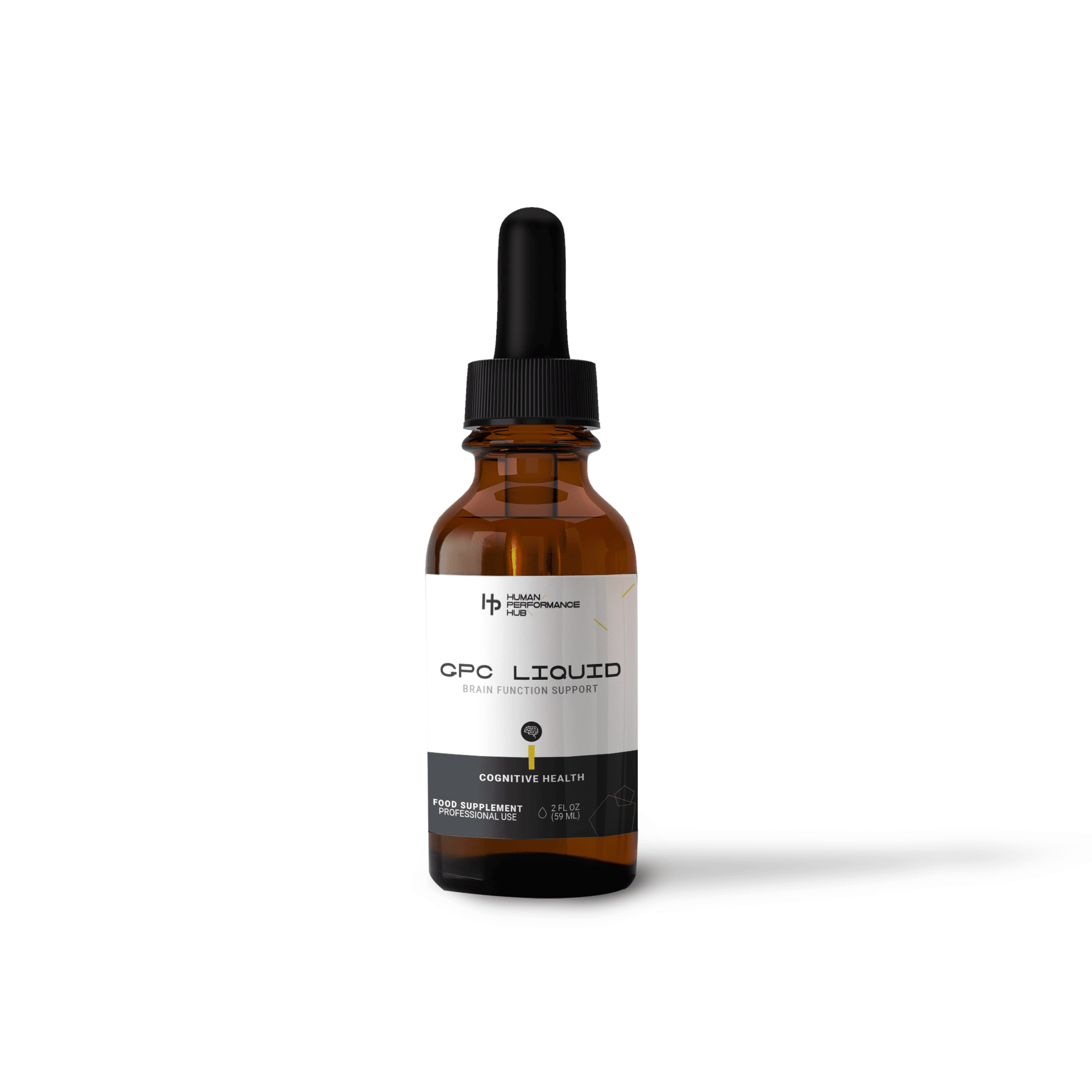
“One of my favourite pre-workouts is alpha glycerophosphocholine or Alpha GPC for short. The three main benefits of this pre-workout are an improvement or an increase in growth hormone output. There is an increase in focus because it’s choline, and it improves a set of choline functions. But most important for strength athletes is the improvement in contractile force. It makes you stronger. So check out GPC Liquid from Human Performance Hub, take two droplets before your next workout, and let me know how your strength gains go.”
This feels like one of the secret tips exclusively reserved for professionals, so we are pleased to share it with you all as part of our resource series.
A Word Of Warning Regarding Pre-Workout Supplements
Pre-workout supplements are over-hyped, as our founder Roan shares in this IG reel.
If you can’t watch the video, here is what Roan says:
“If you feel like you need stimulants or a pre-workout supplement, don’t take your workout. Get the rest and recovery that your body needs. When you feel rested and recovered, then go back to your workout.
There’s a law called Yerkes Dodson Law of Performance and Arousal where the relationship between performance and arousal increase can improve performance, but only up to a certain point. And when your arousal becomes excessive, then your performance will drop.
Workout nutrition is designed around hormones and neurotransmitters. The best pre-workout prep is to raise dopamine and acetylcholine to the desired effect for training. I’m a ginormous advocate of supporting the brain, and my go-to would be alpha GBC. I’ll put a link down below and you can do some more reading about it. I hope that helps.”
By opting for a nootropic instead, you can get many benefits without dealing with the internal rollercoaster of arousal that these pre-workout stimulants typically create.
GPC as a Source of Choline
A source of choline, glycerophosphocholine (GPC) provides acetylcholine and phosphatidylcholine, critical compounds in the body. In addition to playing a vital role in memory, learning, coordination and movement, acetylcholine also serves as a neurotransmitter on both sides of the nervous system: the sympathetic nervous system (“fight or flight”) and the parasympathetic nervous system (“rest and digest”).
As well as the myelin coating that surrounds and protects neurons, phosphatidylcholine is an essential component of all cell membranes. Additionally, choline contributes to lung surfactant, a naturally occurring compound essential to lung health.
For healthy fat metabolism, choline is crucial, especially with regard to the liver’s role in processing fats and making the lipoprotein particles that transport cholesterol and fat-soluble nutrients throughout the body. Choline must be present in the diet so that fats are processed efficiently and do not accumulate in the liver.
In the human body, choline is synthesised internally, but its production is relatively limited and isn’t always sufficient to meet the needs of every individual especially if the individual needs more choline during ageing, such as supporting memory and cognition, neurological function, balanced moods, and overall physical and mental vitality.
Choline is therefore regarded as an essential nutrient. Several foods are naturally high in choline, including egg yolks, liver, beef, peanuts, broccoli, cauliflower, and other foods from animal and vegetable sources. However, some individuals may need additional amounts, such as those provided by GPC. Choline is more concentrated in animal foods than in plant foods, and heavy alcohol consumption increases choline requirements – which might explain the slightly clouded brain fog that you experience post celebrations!
In addition to enhancing neuron structure and function, GPC may support the nervous system and brain function due to choline’s role in acetylcholine synthesis. As a result of its chemical structure, GPC is more effective at supporting choline levels in the body than food-based choline or phosphatidylcholine, so if you are looking for insurance to ensure that you are ingesting enough GPC, then our GPC Liquid supplementation should be considered as part of your nutritional stack.
The Science: GPC Supplementation
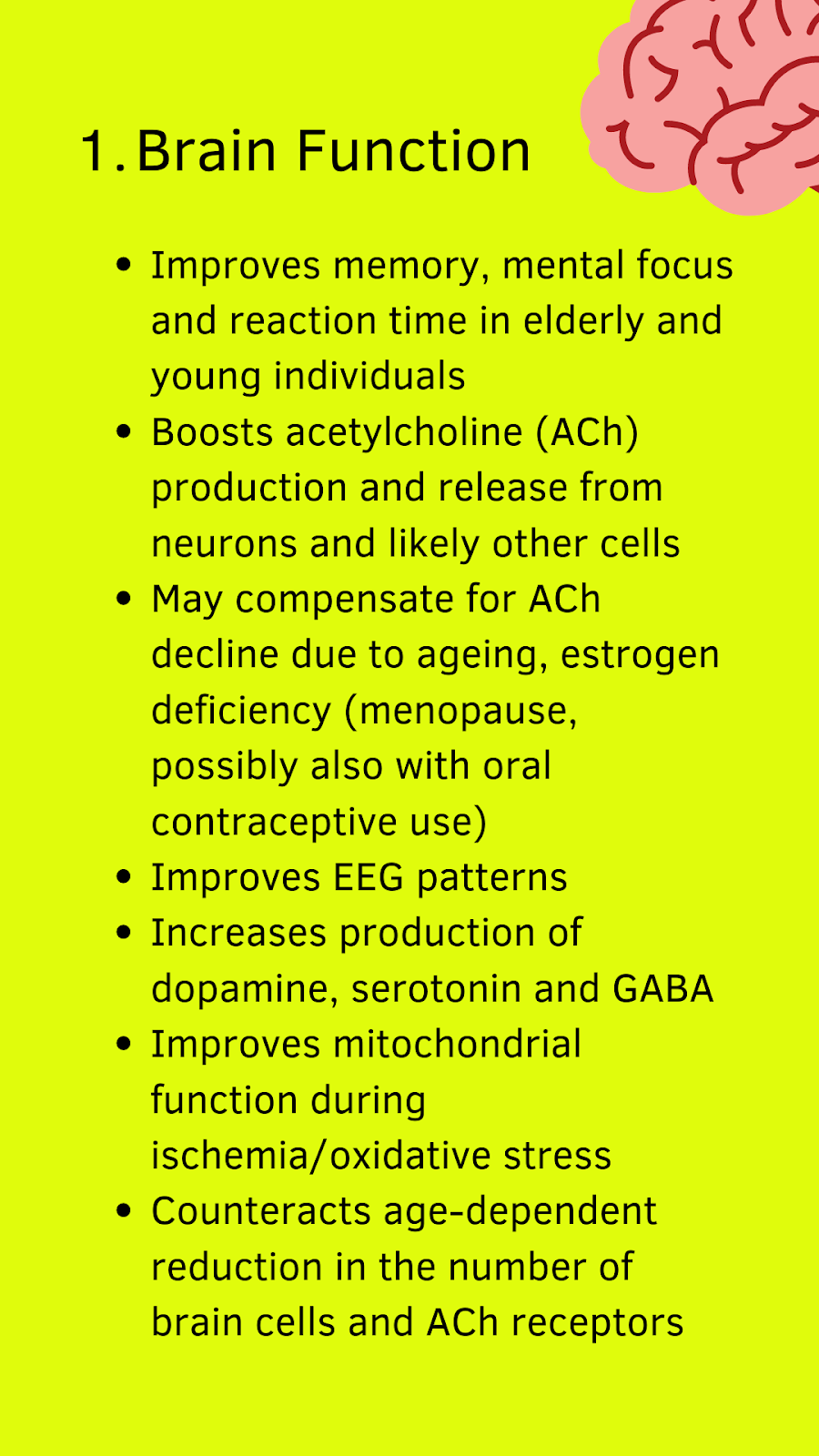
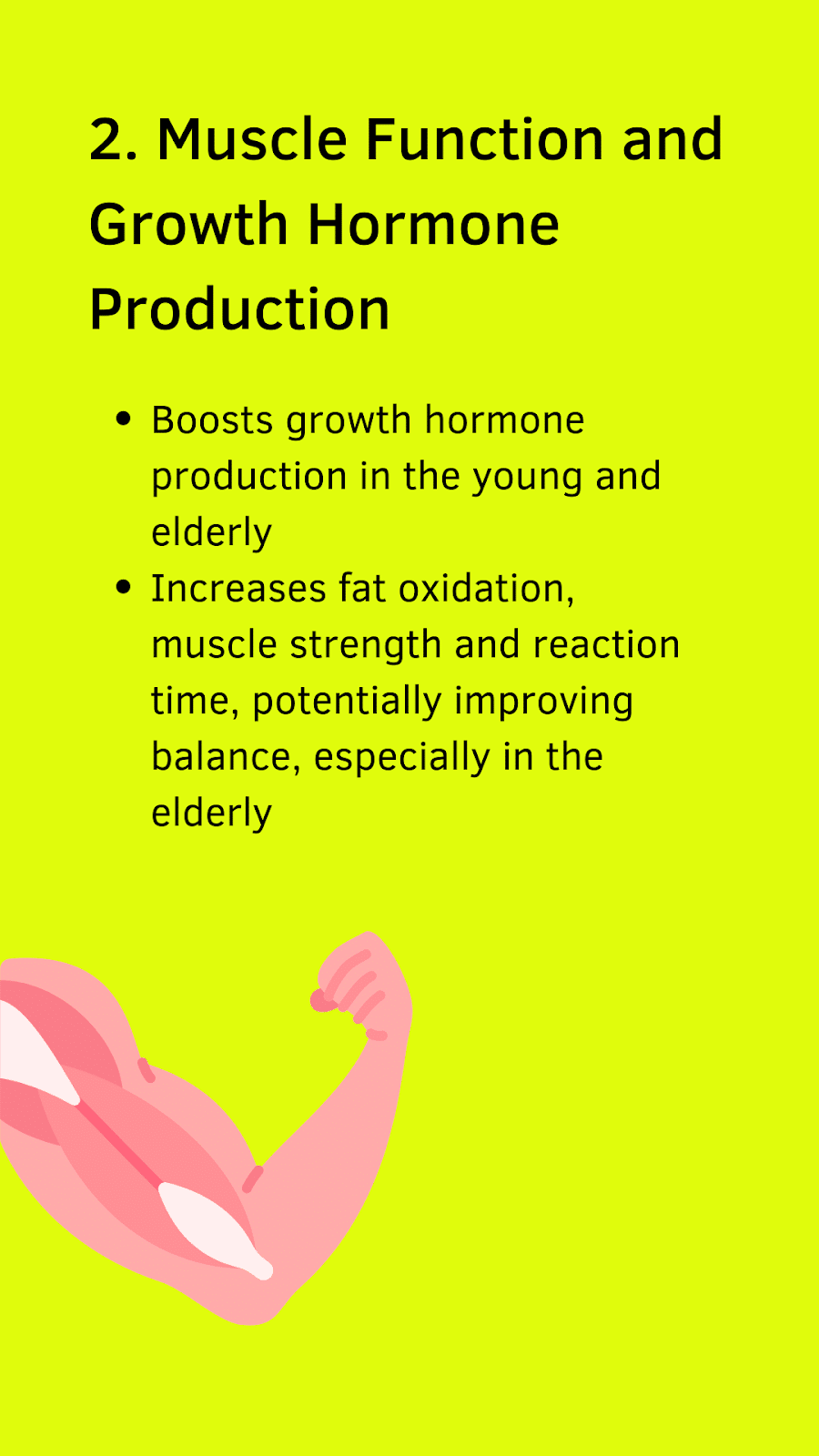
GPC supplementation has been shown to aid brain function, muscle function and growth hormone production and promote brain repair and recovery.
The Best Way to Take GPC Supplements
The science is clear. Glycerophosphocholine (GPC) is a powerful nootropic supplement that has been shown to have a wide range of benefits for cognitive function and overall brain health. GPC supplements are most effective when taken in doses of 500-1000 mg daily, which can be taken in capsule form or as a powder or liquid, which can be mixed into water or other beverages.
Recommended Use
GPC Liquid: As a dietary supplement, take 2 mL (approx. 2 droppers full) per day or as directed by your health
The Side Effects of GPC Supplements
GPC is generally well-tolerated by healthy adults, with the most common side effect being mild gastrointestinal upset. However, it should be taken with caution by those with pre-existing medical conditions, and pregnant or breastfeeding women should consult with their healthcare provider before taking any nootropic supplement.
Overall, GPC should be safe for most people, but our advice is that it is always important to talk to your doctor before starting any new supplement if you have any concerns.
Order Your GPC Liquid From Human Performance Hub Today
So that’s the tea – if you’re looking for a high-quality GPC supplement, Human Performance Hub has got you covered. Plus, our team is always available to answer any questions you might have about taking any of our supplements or offer advice on putting together the right supplement stack for your individual requirements.
An inflammation-fighting, immune-boosting compound
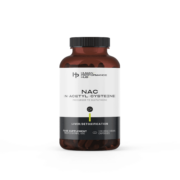
NAC is a compound that should definitely be on your radar. In this guide, we’ll explain exactly NAC (N-Acetyl-L-Cysteine), dive into the science, and explain how you can add NAC supplementation to your supplement stack.
What Is N-Acetyl-L-Cysteine?
N-Acetyl-L-Cysteine is a naturally occurring amino acid that plays an important role in the body’s detoxification process. It is effective in treating various conditions, including liver disease, bronchitis, and diabetes.
It is also being studied for its potential to treat Alzheimer’s disease and other forms of dementia and explored as a possible treatment for a wide range of other diseases.
The Many Benefits of N-Acetyl-L-Cysteine
N-Acetyl-L-Cysteine is a powerful antioxidant that can help protect your cells from damage. This inflammation-fighting compound is beneficial for various issues, such as boosting your immune system and fighting off infection.
Proper intake of N-Acetyl-L-Cysteine can also help to boost your immune system. By improving liver function and detoxifying your body, this valuable compound helps reduce inflammation throughout your body.
N-Acetyl-L-Cysteine is also known to improve brain health and cognition. In fact, research has shown that it may even be able to halt the progression of Alzheimer’s disease.
Finally, N-Acetyl-L-Cysteine is great for overall physical wellness. It can help reduce inflammation in various parts of the body, promote better joint health, and more!
Not too bad, right? Let’s dive into the science behind N-Acetyl-L-Cysteine …
The Science: N-Acetyl-L-Cysteine
NAC is an incredibly well-researched compound with a number of clear benefits backed by science.
Liver Detoxification
As an amino acid, NAC increases GSH levels to protect against free radical accumulation and oxidative stress, which are harmful to liver detoxification. According to research, NAC protects the liver from the damaging effects of excessive alcohol consumption and acetaminophen poisoning.
Acetaminophen poisoning can cause hepatocyte necrosis, which is a result of excessive acetaldehyde buildup and oxidative damage. Due to its high affinity for mercury, lead, and cadmium, L-Cysteine can bind to them and aid in their removal. A low level of GSH makes the liver more vulnerable to damage from these toxins.
In short, NAC can ultimately contribute to healthier liver function, and such a vital organ is worth protecting at all costs.
Reproductive & Metabolic Health
As a potent antioxidant, NAC is a useful adjunctive therapy for male and female infertility and reproductive health. The results of a systematic review concluded that 600 mg of NAC significantly improved sperm motility, volume, and viscosity compared to placebo.
Another study found that supplemental NAC significantly improved insulin sensitivity in PCOS women with hyperinsulinemia. After 46 weeks of supplementation, NAC increased ovulation rate and HDL-C levels and decreased weight, BMI, fasting blood glucose, total cholesterol, LDL-C, and HOMA-IR.
As reported in a recent in-vitro study of hyperglycemia-induced cardiomyocyte injury, NAC treatment induced similar mitochondrial energetic and cellular viability effects as metformin; however, NAC had more noticeable effects in reducing ROS production in the cytosol and mitochondria, as well as increasing CoQ10 production, which was significantly reduced by high glucose exposure.
According to a systematic review exploring the ameliorative effects of NAC on obesity-associated metabolic complications, including metabolic syndrome, it limits oxidative damage, improves pro-inflammatory responses, inhibits lipid accumulation by targeting adipogenic transcription factors, enhances insulin sensitivity by enhancing PI3K and AKT pathways in both in-vitro and in-vivo models of obesity.
Who can argue with stronger sperm, healthier ovulation and a more optimal metabolic rate? Not us.
Lung Health
Lung health is paramount to high performance, whether in the gym, on the sports field, or simply being able to keep up with your kids. NAC has proven benefits for this vital organ.
N-Acetyl Cysteine breaks down the sulphide bonds that thicken mucus, and, as a result, NAC improves respiratory patterns by thinning mucus viscosity. As a mucolytic drug, NAC is used in Europe to treat chronic bronchitis (CB) aggravations and improve symptoms.
Based on a recent review, NAC was found to be well-tolerated by patients who had chronic bronchitis or chronic obstructive pulmonary disease (COPD) exacerbations and was shown to aid in mucus elimination and provide symptomatic relief from coughing, as well as resulting in significantly fewer COPD or CB aggravations, according to a meta-analysis,
The protective effect of NAC was more apparent in those with no signs of airway obstruction. Researchers found that NAC inhibited biofilm formation, disrupted pre-existing mature and infant biofilms, and reduced bacterial growth within biofilms in biofilm-related respiratory infections, including CB, COPD, and rhinosinusitis.
In addition to biofilm formation, the researchers point out that many biofilms are resistant to antibiotics, making it necessary to use non-antibiotic therapies.
According to animal studies, NAC has a significant antioxidative effect on airway hyperresponsiveness (AHR), which occurs in asthma when pro-inflammatory mediators and immune cells are consistently present in the airways.
Brain & Central Nervous System Health
We all need to protect our brain health at all costs, and in our philosophy, a healthy brain is the first step to a healthy body. It has been shown that the accumulation of mercury in the brain leads to increased lipid peroxidation, mitochondrial breakdown, depletion of GSH, and protein DNA oxidation, all of which are critical factors in the development of neurodegenerative diseases. The common link between these factors is oxidative damage.
According to a review, NAC is an effective therapy for treating neurodegenerative and mental health diseases because it crosses the blood-brain barrier, provides the brain with cysteine for glutathione production, and protects neuronal mitochondria from programmed cell death, ROS, and memory loss, as well as enhances synaptic and non-synaptic activity within the mitochondrial complex.
It has also been shown that NAC has neuroprotective effects against strokes and traumatic brain injuries (TBIs), which are mediated by its ability to counter oxidative stress, free radicals, and pro-inflammatory mediators. TBI patients treated with NAC after blast exposure had significantly improved symptoms after seven days compared to those treated with placebos.
In a pilot study, NAC supplementation for six months increased functional connectivity within the cingulate cortex in early psychosis patients compared to controls, demonstrating its effect on neuropsychiatric health. As a result, increased brain GSH through NAC supplementation may be an effective alternative to antipsychotic medications for improving functional connectivity within the brain.
A systematic review investigated NAC’s effectiveness in treating obsessive-compulsive disorder (OCD), since it modulates the amino acid glutamate. On average, 2,400 – 3,000 mg of NAC per day for 12 weeks reduced the severity of OCD symptoms with minimal adverse effects and good tolerability.
Muscle Recovery & Pain
During a strenuous workout, damaging free radicals are released as a natural result of muscular contractions. The glutathione in the body scavenges free radicals diligently, while NAC quickly restores glutathione levels to normal.
Research shows that NAC promotes muscle performance and supports efficient muscle recovery post-workout and during periods of muscle exertion because it scavenges free radicals and oxidative stress, which are related to muscle fatigue.
Oral NAC therapy significantly reduced the expression of type II collagen in chondrocytes, an indicator of osteoarthritis (OA). It inhibited ROS accumulation and proinflammatory cytokine expression in an in vivo and in vitro animal model of osteoarthritis (OA), suggesting that NAC may be an effective treatment for OA prevention.
How to Take N-Acetyl-L-Cysteine for Optimal Results
N-Acetyl-L-Cysteine is a powerful antioxidant and anti-inflammatory supplement that has a wide range of health benefits. It is most commonly taken to improve respiratory health, but it can also help to boost cognitive function, detoxify the body, and protect the liver.
The recommended dosage of NAC is 600 mg per day, but some people may need to take up to 1,200 mg per day for optimal results.
NAC is generally well tolerated, but some people may experience side effects like nausea or headaches at high doses. If you’re interested in taking NAC, talk to your doctor first to ensure it’s safe for you and determine the best dose for your needs.
Are There Any Side Effects of Taking N-Acetyl-L-Cysteine?
N-Acetyl-L-Cysteine is a powerful antioxidant that has a wide range of potential health benefits. However, like all supplements, it is important to be aware of the potential side effects before taking them.
The most common side effect of N-Acetyl-L-Cysteine is nausea, which can usually be alleviated with food. Other potential side effects include headache, dizziness, and gastrointestinal distress.
As with any supplement, it is always best to speak with a healthcare professional before taking N-Acetyl-L-Cysteine to ensure it is right for you and to avoid any possible interactions with other medications or supplements you may be taking.
Order Your N-Acetyl L-Cysteine From Human Performance Hub Today
N-Acetyl L-Cysteine supplementation helps to detoxify the body and has many other benefits, including helping to improve memory and reducing inflammation. If you’re looking for a high-quality NAC supplement, Human Performance Hub has got you covered.
Our environment dictates a lot for our health; whether it be the food we eat, the air we breathe or the water we drink, it all impacts us and our health.
For many of us, the environment may put added stress on our bodies. For example, pollution in the air means we inhale all sorts of toxic chemicals, which, once in the body, can affect many systems and the body’s cells. Ultimately this affects how we function and can lead to health issues and diseases.
https://humanperformancehub.co.uk/wp-content/uploads/2022/03/hph-nac.png25602560hphstorehttps://humanperformancehub.co.uk/wp-content/uploads/2023/04/hph-icon-300x300.pnghphstore2022-12-16 13:34:572023-08-19 08:43:37What Does N-acetyl-L-Cysteine Do for the Body?
A synergistic formula offering comprehensive gastrointestinal health and function support
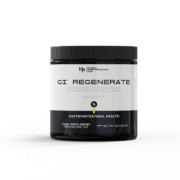
Introducing GI Regenerate – A New Supplement for Gut Health
GI Regenerate is a new probiotic supplement designed to support gut health. The unique blend of clinically-proven gut-supporting strains in GI Regenerate has been shown to promote digestive and immune health, making it an easy-to-take supplement that can be taken once daily with or without food.
Why Gut Health Is Important for Overall Health and Well-Being
Gut health is important for overall health and well-being, as a healthy gut can help protect against conditions like obesity, diabetes, heart disease, and inflammatory bowel disease.
Probiotics are live bacteria and yeasts that are good for your health, especially your digestive system. Prebiotics are non-digestible fibres that act as food for probiotics, helping them to grow and flourish in the gut, assisting with overall gut health.
What Is a Leaky Gut? And How Does It Impact Gut Health
Leaky gut is a syndrome that some scientists and natural health practitioners have identified where minuscule gaps appear in the gut, allowing toxins and other compounds through. This results in constipation, bloating, gas, poor immune function, lack of focus, fatigue, and joint pain.
To prevent this, the gut lining needs to be fortified so those harmful substances cannot pass through and affect us. The GI Regenerate formula is specifically designed to do that. GI Regenerate is a natural supplement to support the gut lining, helping to stop allergens, toxins and disease from getting into the bloodstream.
Tips for Improving Gut Health
The gut is a complex system that plays a vital role in overall health and well-being. Improving gut health can be achieved by making simple lifestyle changes, such as eating a healthy diet, exercising, and reducing stress levels.
Many different supplements are available that can help improve gut health; however, it is important to speak with a healthcare professional before starting any new supplement regimen.
Our GI Regenerate supplement provides an easy way to improve gut health. The ingredients in our supplement help repair the lining of the gut, which can be damaged by inflammation, and help to increase the production of healthy bacteria in the gut, which can help to improve digestion and overall health.
How GI Regenerate Can Help Improve Your Gut Health
If you want to improve your gut health, GI Regenerate is an excellent option. This supplement can help rid your body of harmful bacteria, improve digestion, and support overall health.
Maintains intestinal permeability by supporting the integrity of the small intestine
Supports mucosal health and normal inflammatory responses
Maintains healthy bowel function and promotes regularity
Contributes to the health of the gut-associated immune system
Here are some tips on how to take advantage of the benefits of GI Regenerate:
Start by taking GI Revive regularly for best results. The more often you take it, the better!
Follow the directions that come with your product carefully. Do not overdose or take it if you have any pre-existing conditions or illnesses that could be aggravated by probiotics, such as diarrhoea or irritable bowel syndrome (IBS).
Be sure to include plenty of good-quality fibre in your diet along with GI Regenerate for optimal results. Fibre helps to promote regularity and keep your gut healthy and functioning properly.
Finally, drink plenty of water before and after taking GI Regenerate to help flush out toxins and maintain hydration levels in your gut.
The Science: GI Regenerate Ingredients
Our GI Regenerate supplement is formulated from best-in-class ingredients, each with its own unique offering. They include, but are not limited to:
Zinc Carnosine
In addition to being mucosal-protective and anti-ulcerative, zinc carnosine also protects the intestinal lining. It supports tight junction integrity against damage caused by intense exercise or certain anti-inflammatory medications, including combating H pylori.
NSAID indomethacin was shown to increase gut permeability in healthy subjects when zinc carnosine was compared to a placebo. The placebo arm experienced a threefold increase in gut permeability, while the zinc-treated group did not show any significant changes.
A study with patients with small bowel injuries caused by extended use of low-dose aspirin showed significant reductions in the number of reddened lesions and erosions/ulcers when zinc carnosine was taken for four weeks compared to untreated controls. Our formula prefers zinc carnosine, which is zinc complexed with the amino acid L-carnosine in a 1:1 ratio chelate, as it remains in stomach juice without rapid dissociation and adheres more effectively to ulcerous lesions. After that, zinc and L-carnosine are separated, and the affected tissue heals.
L-Glutamine
The amino acid glutamine plays a critical role in the health of intestinal cells. In addition to being their primary fuel, it is also necessary to repair and maintain high-turnover tissues such as the epithelial cells of the intestinal lining. In the body, glutamine is abundant; however, prolonged physiological or metabolic stress can cause glutamine stores to deplete. The effects of supplemental L-glutamine include immunomodulatory, anti-catabolic/anabolic, and mucosal protection of the gastrointestinal tract.
In addition to building glutathione, it may also function as an antioxidant. A variety of physiological stressors and catabolic states increase the requirement for glutamine, including trauma, infections, burns, and other physiological stressors. It has been shown that glutamine deficiency causes severe intestinal degradation, which supplementation may enhance.
Supplementation with glutamine has been shown to reduce inflammation and GI distress caused by exercise-induced small intestinal permeability increases. Intestinal permeability must be maintained in order to prevent a “leaky gut.” Incompletely digested proteins, peptides, and other compounds may gain access to systemic circulation if intestinal permeability increases, resulting in systemic inflammation and possibly contributing to the aetiology of chronic inflammatory diseases and autoimmune diseases.
Methylsulfonylmethane (MSM) and Quercetin
These anti-inflammatory substances may help prevent increased intestinal permeability by reducing chronic inflammation. Aside from providing direct anti-inflammatory effects by stabilising intestinal mast cells, quercetin may also be an antioxidant that promotes tissue health.
N-Acetyl Glucosamine
The amino acid N-acetyl glucosamine (GlcNAc) regulates inflammation in mucosal cells and aids in structural support. By supplementing with GlcNAc, glycosaminoglycans (GAGs) may be produced more effectively, supporting mucosal health and reducing intestinal permeability.
The use of each of these botanicals in gastrointestinal disorders dates back centuries. As well as supporting healthy intestinal function, these mucilaginous and relaxing herbs can promote the healing of ulcers and inflamed tissue and reduce cramping from the relaxing effect of their compounds.
Mucin
An intestinal epithelial cell normally secretes mucin, a glycoprotein. In addition to coating the intestinal lining, it is one of the most significant parts of the innate immune system. It serves as a front line of host defence and a breeding ground for commensal microorganisms. In addition to neutralising gastrointestinal antigens, it may also reduce inflammation and tissue damage caused by food allergies, gastrointestinal issues and dysbiosis by contributing to a healthy mucosal layer. As well as protecting epithelial cells against physical and chemical injury, mucin is a lubricant to facilitate the passage of materials through the gastrointestinal tract.
Prune Powder and Citrus Pectin
These two ingredients can maintain regularity without the harmful effects of herb laxatives like senna. Prunes support healthy bowel function as a natural source of sorbitol and chlorogenic acid.
The Best Way to Take GI Supplements
There are different forms of GI supplementation – however, at Human Performance Hub, we recommend powder form.
Recommended Usage and Guidelines
The suggested dose is 8g (1 tablespoon) in water in powder form in-between meal times.
The benefit of powder versus the capsule form is that the powder is easier to take and likely faster to absorb in the stomach. Personal preference will be key in determining whether you go for the capsule or powder format.
Order GI Regenerate From Human Performance Hub Today
A large part of our immune system is housed in the gastrointestinal tract, essential for digesting food and the key to preventing illness.
That is why it is essential to look after your gut health and promote a healthy microbial balance.
https://humanperformancehub.co.uk/wp-content/uploads/2022/05/hph-gi-regenrate-225-g-powder-min.png20002000hphstorehttps://humanperformancehub.co.uk/wp-content/uploads/2023/04/hph-icon-300x300.pnghphstore2022-12-16 13:17:112023-05-31 16:12:18Improving Your GUT Health with GI Regenerate
Supplementation to maintain a healthy microbial balance.
What Is the GI Microbiome and Why Is It Important?
The human gastrointestinal tract is home to a complex and dynamic community of microbes known as the microbiome. These microbes play a crucial role in maintaining gut health by breaking down food, extracting nutrients, and producing vitamins and other essential compounds for gut health. Dysbiosis, or an imbalance in the microbiome, has been linked to various GI disorders such as inflammatory bowel disease (IBD), irritable bowel syndrome (IBS), and celiac disease. Thus, it is important to maintain a healthy GI microbiome to avoid these problems.
How Can You Promote a Healthy GI Microbiome?
The gut microbiome is a community of trillions of microbes that live in the gastrointestinal tract. These microbes play an important role in digesting food, absorbing nutrients, and protecting against pathogens. This is critical for overall health and well-being.
There are several ways to promote a healthy gut microbiome, including eating quality meat & fish, a variety of plant-based foods, avoiding antibiotics, and exercising regularly. Taking care of your gut microbiome can reduce the risk of developing chronic diseases such as obesity or Crohn’s disease.
The Benefits of a Balanced GI Microbiome
The benefits of a balanced GI microbiome include:
A balanced microbiome is essential for good gut health.
Gut health is linked to several different aspects of overall health, including the immune system and obesity prevention. A healthy gut means a healthy immune system, which can protect against numerous diseases and conditions, therefore, balancing the microbiome is one way to help maintain gut health and improve overall wellness.
A balanced microbiome can help prevent diseases and conditions like obesity, diabetes, and Crohn’s disease.
A properly functioning GI microbiota is beneficial in preventing a variety of chronic health problems, including obesity, type II diabetes mellitus, and Crohn’s disease (a digestive disorder). Prebiotics (foods that promote the growth of probiotic microorganisms) are often recommended as complementary therapies for managing these conditions; however, more research is needed to ascertain their specific benefits for each individual patient.
Tips for Keeping Your GI Microbiome in Balance
One way to promote a healthy gut microbiome is to eat real food that is not manufactured, and introduce prebiotic-rich foods. Probiotics can help balance the gut microbiome and may improve overall health.
If you suspect that your gut microbiome is out of balance, see your doctor or functional medicine practitioner to discuss the options of what will be the best to make improvements. Some ways to improve an imbalance in the gut microbiome include functional nutrition, supporting healthy vitamins and minerals and lifestyle changes.
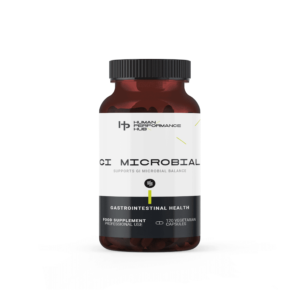
Introducing GI Microbial
GI Microbial is a supplement that can be taken to improve gut health and maintain a balance of good, bad and not-so-bad bacteria in the gut. This supplement can help improve digestion, reduce inflammation, and boost immunity.
GI Microbial is a targeted blend of nutrients and botanicals with a long history of use for supporting a healthy microbial balance within the gastrointestinal (GI) tract. This proprietary blend of botanicals includes tribulus extract, berberine, bearberry extract, black walnut powder, barberry extract, and artemisinin, along with magnesium and caprylic acid from magnesium caprylate. Research shows that the bioactive constituents in these botanicals possess properties that may help promote a healthy balance of normal gut flora.
The gut microbiome — or the community of beneficial bacteria, fungi, yeast, and other microbes that live in our gut — plays an essential role in health, affecting metabolism, nutrient absorption, and immune function.
The gut microbes ferment foods, help prevent the growth of harmful bacteria, work to manufacture hormones and neurotransmitters, and produce certain vitamins; however, ageing, exposure to antibiotics, poor diet, and stress may potentially disrupt the microbial balance in the gut.
Balance is important for the proper functioning of the gut microbiome in the GI system, and the ingredients in GI Microbial work synergistically to help support a normal balance in the gut microbiome.
GI Microbial Ingredients
Tribulus Extract (Tribulus Terrestris)
The Tribulus Extract (Tribulus Terrestris) is a shrub native to tropical, subtropical, and desert climates, such as those found in Southern Europe, Southern Asia, and the Middle East. For centuries, Chinese and Indian traditional medicine has used this herb to support a range of conditions, most commonly male fertility. Still, it also exhibits antibacterial properties against several types of pathogenic bacteria and yeast. As well as being anthelmintic (kills parasitic worms), it is also larvicidal. It has been speculated that plant extracts have these effects because they are rich in saponins and alkaloids.
Berberine Sulfate (Berberis aristata) and Barberry Extract (Berberis spp.)
The alkaloid berberine is a bitter-tasting yellow alkaloid found in Oregon grape roots, rhizomes and stem bark. Although berberine is best known for supporting blood sugar metabolism, it also has antimicrobial, antiviral, and antiparasitic properties. Due to its usage in traditional Chinese medicine for thousands of years, it has been called an “Eastern antibiotic” for its effectiveness against GI pathogens. The bioactive constituent of berberine, as well as possessing antimicrobial properties, may also support gut health by improving tight junctions in the gut and reducing intestinal permeability, as observed in a laboratory study of epithelial cells of the human gastrointestinal tract.
Artemisinin (Artemisia annua; Sweet Wormwood)
Artemisia annua’s inner bark produces artemisinin. Known for killing parasitic worms, it is commonly called “wormwood.” Originally used as an antimalarial, this compound is also effective against parasites causing gastrointestinal symptoms, pathogenic bacteria, fungi, and various viruses, including the human cytomegalovirus, Epstein-Barr virus, herpes simplex type 1, and hepatitis B and C.
Black Walnut Extract (Juglans nigra)
This ingredient has long been used as an intestinal antiparasitic (vermifuge, anthelmintic) in botanical medicine. In addition, it has bactericidal and fungal activity against common GI pathogens. It was found that black walnut contains at least six different bioactive compounds with antibacterial properties, along with some that are antiviral, antifungal, and antiparasitic/antiprotozoal. Cultured human promonocytes treated with black walnut extract demonstrated potent anti-inflammatory effects and inhibited the secretion of several inflammatory cytokines.
Bearberry Extract (Arctostaphylos uva-ursi)
The botanical name of this plant is derived from the Greek words arktos, meaning “bear”, and staphyle, meaning “bunch of grapes” – bears eat these grape-like clusters of fruit in the wild. Hailing from the Latin name uva-ursi means “grape of the bears.”, medicinal uses of this plant date back to the 13th century in regions of Asia, North America, and subarctic Europe. During digestion and liver function, uva-ursi produces a compound called butoxide, which is converted to hydroquinone.
GI and urinary tract infections can be treated with hydroquinone, and urolithiasis can be treated with uva-ursi. In addition to being antibacterial, uva-ursi has antimicrobial properties against P. aeruginosa (an opportunistic pathogen that can cause many infections, particularly in people with weakened immune systems).
Caprylic Acid
The medium-chain fatty acid caprylic acid, also called octanoic acid, is found naturally in coconut and palm kernel oils and breast milk. In addition to lauric acid, caprylic acid shares some antimicrobial properties with the 12-carbon MCFA. It penetrates and disrupts bacterial cell membranes and reduces biofilm formation, and is effective against certain lipid-coated bacteria, such as S. aureus, various Streptococcus species and intramucosal Candida.
Caprylic acid may boost the effectiveness of antimicrobial agents, such as GI Regenerate when combined with them. However, the damaging effect of caprylic acid on bacterial membranes may facilitate the entry of antimicrobials and antifungals into the cytoplasm, resulting in cell death. The antibacterial effects of caprylic acid can be seen against various gram-positive and gram-negative bacteria.
The Benefits of Supplementing with Microbial:
Supports GI microbial balance
Supports the body’s immune responses
Supports immune health in the GI tract
Supports gut health
Recommend Use:
We recommend following the below schedule to reach the recommended dose:
Start by taking 1 capsule per day before bed
After 3 days, increase your dosage to 2 capsules
After a further 3 days, increase your dosage to include 1 capsule between breakfast and lunch
After a further 3 days, increase your dosage to include1 capsule between lunch and your evening meal
The maximum dosage is 6 capsules per day. If you reach this dosage, you will need to titrate down to 0.
Order GI Microbial From Human Performance Hub Today
In addition to providing us with a means of digesting foods, the gastrointestinal tract also plays a crucial role in preventing illness.
https://humanperformancehub.co.uk/wp-content/uploads/2022/05/hph-gi-microbial-120-capsules-min.png25602560hphstorehttps://humanperformancehub.co.uk/wp-content/uploads/2023/04/hph-icon-300x300.pnghphstore2022-12-16 13:07:182023-08-19 08:43:44How to Improve a Healthy Gut Microbiome