Resources


brain food

The term ‘brain food’ has been around for a long time and is often used as a way to encourage people to eat better. But is there any truth in such brain foods? Do they actually support healthy brain function? In this article, we take a deep dive into brain foods to find out the truth and which foods are best for brain health. So, with that in mind, what are the top brain foods?


The top brain foods that will help to keep your brain in peak working condition include (but are not limited to):

  • Fatty fish
  • Berries
  • Spices such as turmeric
  • Nuts and seeds
  • Eggs


Read on to learn more about brain food and what you should be eating more of to support better brain health.

What Food is Good for the Brain?

There is a whole manner of food and drink that are good for the brain, but some are better than others. Think of the type of food and drink that has always been drilled into your brain as being “healthy” – fatty fish, green vegetables and nuts. 

But, there are also a few curveballs in there that you might be surprised to learn are good for brain health. The odd bit of dark chocolate can actually be quite good for you!

Which Fruit is Best for the Brain?

It’s widely agreed across the medical community that berries (blueberries in particular) are the best fruit for brain health. Additionally, the high levels of vitamin C found in oranges may help to prevent mental decline. One study also associates higher levels of vitamin C in the blood with improvements in focus, memory and decision speed.

Which Vegetables are Best for the Brain?

Leafy green vegetables such as broccoli, kale and spinach are rich in brain-healthy nutrients such as vitamin K, lutein, folate and beta carotene, which research suggests may help to slow cognitive decline. 

What Protein is  Best for the Brain?

Fatty fish such as salmon and tuna are great sources of omega-3. Omega-3 is a healthy unsaturated fat that has been linked to lower blood levels of beta-amyloid, the protein that forms damaging clumps in the brains of people with Alzheimer’s.

The Top Five Brain Foods

Below we go into more detail about the top five brain foods that you should be eating.

Fatty Fish

As we said above, fatty fish such as tuna, sardines and salmon are great sources of omega-3. Alongside lowering the level of beta-amyloid in the blood, omega-3 may also boost cognition and thinking abilities. 

But beware, not getting enough omega-3 is linked to cognitive impairments and depression

Learn more about the benefits of omega-3 and fish oil in our detailed blog.

Blueberries (And Other Berries)

Blueberries are a particularly good brain food due to their anti-inflammatory and anti-oxidant benefits. This acts against oxidative stress which can contribute to brain ageing and neurodegenerative diseases. 

Additionally, some of the antioxidants in blueberries have been found to accumulate in the brain and help to improve the communication between brain cells. 

Turmeric (And Other Spices)

The active ingredient in turmeric, curcumin, has been shown to be able to cross the blood-brain barrier – meaning that it can directly enter the brain. It has a potent anti-oxidant profile that may have a wide range of benefits, including:

Nuts and Seeds

Nuts and seeds, in particular walnuts and pumpkin seeds, are excellent for brain health. Pumpkin seeds contain a wealth of nutrients that are great for brain health, including:

  • zinc and copper, which are crucial for brain signalling;
  • magnesium, which supports learning and memory;
  • iron, which helps to reduce “brain fog”.

Meanwhile, nuts like walnuts are a great source of healthy fats and protein, both of which are linked to improving memory.

Eggs

We all know how good eggs are for the body, but they’re also great for brain health as they contain vitamins B6 and B12, folate, and choline – an essential micronutrient that helps to regulate mood and memory.

Meanwhile, consuming B vitamins may help to slow the progression of mental decline in older adults. However, not getting enough has been linked to depression

Likewise, studies suggest that folic acid may help to minimise age-related mental decline. 

Bonus Surprises

The top five brain foods listed above probably come as no surprise. But there’s a couple more that might shock you:

  • Tea and coffee – the caffeine found in tea and coffee can support brain health by increasing alertness, improving mood and sharpening concentration. Over time, it may also reduce the risk of neurological diseases such as Alzheimer’s and Parkinson’s.
  • Dark chocolate – Dark chocolate of 70% or higher cocoa solids contains brain-boosting compounds such as flavonoids, caffeine (see above) and anti-oxidants. These compounds may enhance memory, slow age-related mental decline, improve mood and support a better gut biome.

What are the Best Supplements for Brain Function?

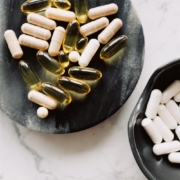
Whilst eating brain foods helps to support healthy brain function, sometimes, these foods don’t actually contain enough of the vitamins, minerals and other good stuff to fully benefit the brain. That’s why supplements are so important.

For brain health, we recommend the following supplements:

Supplements for Brain Health at Human Performance Hub

At Human Performance Hub, we recognise the importance of brain health and stock a wide range of supplements to support it. Take a look at our range today, or get in touch with us for information about which supplements you need.

chlorella

Chlorella is a bright green algae dense in nutrients. It is considered a “superfood” because it is high in protein, iron, dietary fibre, B vitamins and complex carbohydrates. In this article, Human Performance Hub deep dives into everything chlorella related, from its many health benefits to dosage guidelines and most commonly asked questions. So, what kinds of benefits can you expect from taking chlorella tablets?


Chlorella has an extremely impressive nutritional profile. In particular, it supports:

  • Immune system 
  • Weight management 
  • Cholesterol balance 
  • Blood pressure/sugar levels
  • Aerobic endurance


On top of this, chlorella also binds to heavy metals, acts as an antioxidant and helps with respiratory diseases. 

Keep reading to find out more about this freshwater algae. 

What Is Chlorella?

According to BBC good food, ‘chlorella is a single-cell, blue-green freshwater algae with a rich colour due to its high concentration of chlorophyll.’ One teaspoon of chlorella in powder form contains:

  • 11Kcal / 44KJ
  • 1.8g Protein
  • 0.1g Fat
  • 0.5g Carbohydrate
  • 3.4mcg Iodine
  • 6.6mcg Vitamin B12

Whilst there are over 30 different species of chlorella, the most commonly researched forms include Chlorella vulgaris and Chlorella pyrenoidosa. Chlorella has a hard cell wall which humans cannot digest. As a result, it must be taken as a supplement to reap the benefits. Available in capsule, tablet, powder and extract form, studies have shown that Chlorella can have many health benefits.

Health Benefits of Taking Chlorella 

Below, we’ve outlined the main advantages of taking chlorella tablets as a health supplement: 

Nutritious 

Referred to as a “super food” by many because of its impressive nutritional profile, Chlorella contains:

  • Protein – Chlorella is 50-60% protein. In fact, it is a complete protein source, which means it contains all nine essential amino acids. 
  • Vitamin B12 – Some chlorella varieties may also contain vitamin B12 however, further research is required. 
  • Iron & Vitamin C – Depending on the supplement, Chlorella can provide anywhere from 6–40% of your daily need of iron. It’s also an excellent source of vitamin C, which helps you absorb iron.
  • Antioxidants – These small green cells provide a wide range of antioxidants. 
  • Other vitamins & mineralsChlorella provides small amounts of magnesium, zinc, copper, potassium, calcium, folic acid and other B vitamins. 
  • Omega-3s – Like other algae, chlorella contains some omega-3s. In fact, just 3 grams of chlorella delivers 100mg of omega-3s
  • Fibre – In large amounts, chlorella can be a good source of fibre. However, bear in mind that most supplements don’t provide even 1 gram of fibre per dose. 


Curious about the benefits of Chlorella? Our Pure Chlorella Tablets are now in stock—see why they’re a top seller!


Binds To Heavy Metals 

Often marked for its ‘detox’ benefits, animal studies suggest that chlorella is effective at binding with heavy metals and other harmful compounds. Heavy metals include some elements that are essential in small quantities, such as iron and copper; however, these can be toxic in large quantities. 

Whilst it is rare for humans to experience such high levels of heavy metal toxicity, people can get exposed to heavy metals through pollution or certain jobs such as mining. 

On top of its ability to weaken the heavy metal toxicity of the liver, brain and kidneys, chlorella has also been shown to help lower the amount of other harmful chemicals that are sometimes found in food. This includes dioxin, a hormone disruptor that can contaminate animals in the food supply. 

Based on this evidence, it seems that chlorella could help enhance your body’s natural ability to clear toxins. 

Immune System 

Whilst evidence is limited so far, chlorella has been shown to enhance the immune response in both animal and human studies. In one small study, men were seen to produce more immune antibodies when they were supplementing with chlorella for a four-week period. Similarly, in another small study, chlorella supplements showed an increase in immune cells called ‘natural killer’ cells. These are extremely important in our fight against cancer and microbial infection.

Nevertheless, findings have been mixed, with some studies showing little to no effect. For example, one study found that chlorella supplements enhanced immune function in participants aged 50-55, but not those over 55. Consequently, it’s fair to argue that chlorella may have immune-boosting effects in some populations and age groups, but not in all. 

Weight Management 

There has been some limited evidence from animal studies to suggest that chlorella can help with weight loss by improving fat metabolism and blood sugar regulation. This statement is further supported by The Journal of Medicinal Food, which reported that chlorella resulted in noticeable reductions in body fat percentage, serum total cholesterol and fasting blood glucose levels over a 16-week trial.

Cholesterol Balance 

Several studies indicate a potential role for chlorella in helping balance cholesterol levels. In particular, studies have shown that taking 5-10 grams of chlorella daily lowered total and LDL cholesterol and triglycerides in people with high blood pressure or elevated cholesterol. This may be down to the nutrients found in chlorella, such as vitamin B3 (Niacin), carotenoids, fibre and protective antioxidants. 

Acts as an Antioxidant 

Chlorella contains several compounds that are considered antioxidants, including:

  • Chlorophyll
  • Vitamin C
  • Beta-carotene
  • Lycopene
  • Lutein

These antioxidants can help fight many chronic diseases. Some actually reduce the production of advanced glycation end products, which drive many of the complications of diabetes. 

Blood Pressure Management 

Chlorella supplements could help promote heart and kidney health, both of which are essential for normal blood pressure. In one human study, daily supplementation of chlorella helped reduce high blood pressure while another small study reported less stiffness in the arteries, a factor that directly contributes to high blood pressure. 

Blood Sugar Levels 

Some research shows that chlorella may help lower blood sugar levels. One study discovered that taking chlorella for 12 weeks lowered fasting blood sugar levels in both healthy individuals and those at high risk of lifestyle-related diseases. On top of this, studies have shown that supplementing with chlorella improves blood sugar control and increases insulin sensitivity in patients with non-alcoholic fatty liver disease

Respiratory Diseases

Managing respiratory diseases such as asthma and chronic obstructive pulmonary disease often requires controlling inflammation. Fortunately, chlorella has some components that can help reduce inflammation, including its antioxidants. In fact, one study found that chlorella supplements improved antioxidant status in COPD patients. 

Aerobic Endurance 

There has only been one study conducted so far surrounding chlorella’s effect on aerobic endurance, but it showed a positive result. Researchers gave a group of young adults six grams of chlorella or a placebo daily for four weeks. At the end of the study, the chlorella group showed a significantly improved ability to saturate their lungs with oxygen, which is a measure of endurance. Alternatively, the placebo group did not experience any changes in endurance. This effect may be due to chlorella’s branched-chain amino acid content. 

*Please Note – Whilst there are many studies to support the health benefits of chlorella, further evidence is required to fully support these statements.

Other Potential Benefits 

Some other possible benefits of chlorella include:

  • Promotes eye health – Chlorella contains lutein and zeaxanthin, two carotenoids that protect the eye and lower the risk of macular degeneration. 
  • Supports liver health – Chlorella supplements have been shown to improve markers of liver health in people with liver disease.
  • Improved digestion – Lots of research claims that chlorella eases digestion and reduces bloating.
  • Relieves PMS – Anecdotal evidence says that chlorella can relieve symptoms of premenstrual syndrome (PMS).

Please bear in mind that there’s little research to support these claims. 

How To Supplement With Chlorella

 

featured supplement chlorella Human Performance Hub


At Human Performance Hub, the recommended starting dose is 3 capsules of chlorella per day with a meal, which can build into 10 caps x 3 times per day. This would however, depend on how much support your body needs. Some individuals may require more, which is why you should always consult your doctor to get an individual recommendation before you begin taking chlorella tablets. 

Is Chlorella Safe For Everyone? 

Generally, chlorella is recognised as safe if used in the short-term, however it can cause some side effects for people in high-risk groups. This includes individuals who are:

  • Pregnant 
  • Breastfeeding 
  • Iodine sensitive
  • Allergic to mould

It can also affect those with a weakened immune system or individuals with autoimmune conditions. Some of the possible side effects include diarrhoea, nausea and stomach cramps. There have also been some reported cases of allergic reactions and an increase in sun sensitivity. However, it’s important to bear in mind that these side effects will not necessarily be present in everyone. 

Chlorenergy Chlorella Tablets At Human Performance Hub 

Native to  Asia, our chlorella tablets at Human Performance Hub are high in protein, B vitamins, magnesium and zinc. With 300 small chlorella tablets in each sachet, Chlorenergy uses a Chlorella Vulgaris strand which is easily digestible and provides 4-5 times more chlorophyll than spirulina. In fact, Chlorenergy was voted the best-digested form of chlorella by the Japanese Health and Nutrition Association

Take a look at our Chlorenergy products or get in touch with us to find out more. 

Chlorella FAQs

What Does Chlorella Do To The Brain? 

Chlorella supplies your brain with B vitamins, vitamins A, C, D and E. It also provides minerals like calcium, iron, phosphorus, magnesium and zinc, all of which are essential in keeping your brain healthy and functioning. 

Does Chlorella Make You Look Younger?

Yes. Chlorella can significantly raise the body’s antioxidant levels, which in turn helps to protect against damage caused by free radicals, a problem exacerbated by increasing levels of pollution and exposure to the sun. In one Korean study, smokers who took chlorella tablets daily had 44% more anti-aging vitamin C in their blood than those who took a placebo. Thanks to its antioxidant properties, vitamin C plays a vital role in collagen synthesis, which helps protect and improve skin health. 

Does Chlorella Affect Sleep? 

Yes. It might seem bizarre but an algae supplement like chlorella that contains high amounts of B vitamins, calcium, magnesium, tryptophan and omega-3 fatty acids can contribute to quality sleep. 

Can You Take Chlorella Everyday? 

Yes. The recommended starting dose is 3 capsules of chlorella per day with a meal, which can build into 10 caps x 3 times per day. Remember that this dose will vary depending on the individual. 

How Long Does It Take To See Results From Chlorella? 

According to the Journal of Medicinal Food, studies discovered that individuals started showing noticeable results after taking chlorella for 3 months. 

What To Avoid When Taking Chlorella? 

It’s advisable to avoid taking chlorella if you are taking any medication that decreases the immune system, as well as blood thinners such as warfarin. 

When Is The Best Time To Take Chlorella? 

At Human Performance Hub, we recommend that you spread your dosage of chlorella throughout the day for consistent nutrient absorption. Ideally, you should take chlorella first thing in the morning and before bedtime. Taking chlorella with food can also help you avoid initial digestive side effects as your body adjusts. 

What Is The Difference Between Chlorella and Spirulina? 

Chlorella and spirulina are the most popular algae supplements on the market. While both have an impressive nutritional profile, they do have some key differences. Chlorella is higher in fat and calories while spirulina is lower in calories and contains high amounts of riboflavin, thiamine, iron and copper. 

Key differences: 

Chlorella  Spirulina 
Freshwater algae  Saltwater algae 
Higher levels of omega-3 fatty acids  Higher in protein 
Higher in vitamin A, iron and magnesium  Contains more copper

“Over 82% digestible—Chlorenergy Chlorella delivers more nutrition, thanks to its unique cracked cell wall.”


When it comes to sport, injuries can sometimes be a part of the game. However, nobody likes to be side-lined for longer than necessary. Fortunately, certain foods and vitamins can help reduce the amount of time your body needs to recover from a sports injury. In this article, Human Performance Hub explores some of the best vitamins for healing muscle tears. So, which vitamins actually help with muscle tears? 


Some of the most important vitamins, minerals and nutrients for muscle tears include:

Vitamins

  • Vitamin C, Vitamin D

Minerals 

  • Magnesium, Calcium rich foods 

Nutrients 

  • Protein, Fibre, Omega-3 fatty acids, Zinc, Creatine


Keep reading to learn more about the types of vitamins that help muscle tears and examples of foods that contain them. 

Types of Vitamins That Help Muscle Tears 

As most of us know, the repairing of bones and soft tissues is a very complex process that our bodies need a vast amount of energy, minerals and vitamins to be able to carry out effectively. Whilst your food regime alone is not enough to heal muscle tears, it can certainly help in speeding up the process. So, which vitamins are best? 

Protein 

Protein is an important building block for many tissues in your body, including muscle. After a sports injury, the injured body part is often immobilised. This generally leads to a decline in strength and muscle mass. However, getting enough protein can help minimise this loss. Consequently, a protein-rich food regime may help prevent inflammation from getting too bad and slowing down your recovery. 

Examples of protein-rich foods include: 

  • Red meats (beef, lamb, deer, wild boar etc) 
  • Almonds
  • Broccoli
  • Chicken
  • Fish 
  • Eggs

According to experts, eating a protein-rich snack before bed may also enhance your body’s muscle-building process while you sleep. 

At Human Performance Hub, we offer a range of quality protein powder supplements to help repair tissue. 

In particular, we are proud to stock different flavours of Bone Broth Protein Powder. This great-tasting, dairy-free protein powder is ideal for those looking to boost their protein intake to build muscle and aid recovery. 

Magnesium 

Magnesium acts as a nervous system and muscle relaxant and is responsible for helping us to fight fatigue and regulating our mood. It’s also involved in over 300 chemical processes in the body including; nerve function, blood pressure regulation, bone health, hormonal interaction and the synthesis of proteins and fats. It is also key when it comes to your muscle’s ability to contract and relax which makes it a great mineral to help with torn muscles. 


Examples of magnesium-rich foods include: 


  • Spinach
  • Dark chocolate
  • Avocado
  • Figs
  • Pumpkin seeds


At Human Performance Hub, we stock Magnesium L-Threonate Vegetarian Capsules. These vital minerals aid performance, help calm the nervous system and help you sleep. According to research, magnesium Threonate is also hugely beneficial for cognitive function and memory. 

Fibre-Rich Foods

During recovery from an injury, there’s a good chance you’ll have limited use of the injured body part. When you move less, you use less energy throughout the day. To help manage your weight whilst you’re recovering, you’ll likely want to eat a little differently. One way to reduce your calorie intake without feeling hungry is to eat food rich in fibre. 

Along with the protein-rich foods mentioned above, this will help you eat less without feeling deprived. This is because foods rich in fibre help promote feelings of fullness after meals. On top of this, fibre-rich foods also tend to be high in several other vitamins essential for your recovery, including vitamin C, magnesium and zinc

Some examples of foods rich in fibre include:

  • Fruits (bananas, strawberries, pears) 
  • Vegetables (sweet potatoes, avocados) 
  • Legumes

Take a look at our Fibre + & Apple Pectin Powder at Human Performance Hub if you’re struggling to get adequate fibre from your diet. This product is particularly suitable for people looking to avoid grains whilst getting fibre. 

Vitamin C

Vitamin C helps your body make collagen, a type of protein which helps maintain the integrity of your bones, muscles, skin and tendons. It is also important for wound healing. Therefore, getting enough vitamin C is a great way to help your body rebuild tissue after an injury. Some of the foods highest in vitamin C are citrus fruits, red and yellow bell peppers, dark leafy greens, kiwi, broccoli, berries, tomatoes, mango, and papaya.

Whilst research is mixed on whether vitamin C supplementation can actually improve athletic performance or speed recovery, individuals who are unable to consume enough vitamin C should consider taking supplements. 

To find out more, take a look at our range of vitamin C supplements at Human Performance Hub or read our article, ‘The Amazing Benefits of Vitamin C’

Omega-3 Fatty Acids

After an injury, the first phase of healing always involves some inflammation. This inflammatory response is beneficial and needed for proper healing. But, if this inflammation remains too high for too long, it may slow down your recovery. One way to prevent this is to eat enough omega-3 fats. These fats, which are found in foods such as fish, algae, walnuts, flaxseed, and chia seeds, are known to have anti-inflammatory properties. 

Some studies show that omega-3 supplements may help increase the creation of muscle protein, reduce the loss of muscle during immobilisation and promote recovery from concussions. Omega 3 also helps to prevent and manage heart disease. 

At Human Performance Hub, our Omega 3 Ultra Softgel Capsules provide 600 mg of eicosapentaenoic acid (EPA) and 400 mg of dexahexapentaeonic acid (DHA) in each 2-softgel serving. This product is perfect for individuals seeking a high-potency omega-3 product. 

To find out more,  take a look at our insightful article, ‘How Much Omega 3 Should an Athlete Take?’

Zinc 

Every single tissue in our body contains zinc, which is why it is such an important mineral when it comes to muscle tears. Zinc helps support the metabolism of proteins that your body needs to rebuild the injured area. 

On top of this, zinc:

  • Helps promote wound healing 
  • Reduces inflammation 
  • Stabilises protein structures 
  • Helps regulate hormone levels 

Eating zinc-rich foods may help you recover from an injury more effectively. Foods rich in zinc include: 

  • Oysters 
  • Red meat
  • Free range organic chicken
  • Chickpeas
  • Cocoa powder
  • Cashews
  • Mushrooms
  • Spinach

Our zinc complex for male health can be taken before training to improve how your brain and nerves send signals to contract muscles. Zinc has also been shown to support healthy skin, metabolism, reproduction and blood sugar levels. 

Take a look at our zinc supplements to find out more! 

Calcium-Rich Foods & Vitamin D

Calcium is involved in muscle contractions and nerve signalling, which is why it is so important that you get enough of it at all times, not just when you are recovering from an injury. Examples of calcium-rich foods include dairy products, leafy greens, seaweed and almonds. Vitamin D serves an equally important function because it helps your body absorb the calcium found in the foods you eat. Alongside calcium, it plays a crucial role in recovery from a bone injury. 

Studies also show that getting enough vitamin D may increase the changes of a good recovery after surgery. For example, a good vitamin D status can enhance strength recovery following an anterior cruciate ligament (ACL) surgery.

As a vitamin that is often deficient in most individuals, you may want to take a look at our vitamin D supplementation on offer at Human Performance Hub

Creatine 

Creatine helps your body produce energy during heavy lifting or intense exercise. Whilst it is most commonly used to increase muscle mass and performance, it can also help you recover from an injury. An older study reported that creatine supplements enhanced the gain of muscle mass and strength lost during a 2-week immobilisation period more than a placebo. 

As one of the most-studied and safest supplements around, creatine may be worth trying. Take a look at our creatine supplements at Human Performance Hub

Final Thoughts 

When you are recovering from a sports injury such as a muscle tear, many elements come into play. While not all of them are under your influence, you do have some control over the vitamins, minerals and nutrients you provide your body. Therefore, regularly consuming the foods and supplements mentioned in this article is a great way to speed up your recovery. 

To find out more about the health and fitness services we offer, take a look at our sports nutrition program, blood testing and full body composition analysis at Human Health Hub. 

Remember, if you are considering supplements, it’s always a good idea to talk with your doctor before adding any to your daily regime. 

Vitamins & Supplements At Human Performance Hub 

At Human Performance Hub, our mission is to empower people with knowledge, personalised services, and quality supplements in order to make informed decisions to improve their health. 


We stock an extensive range of vitamins, many of which are mentioned in this article. From vitamin C, zinc and omega-3, we supply a range of vitamins that can aid with muscle tears. 

Take a look at our range online today, or get in touch with us for tailored advice.

Body detoxification is an ideal way of flushing out invaders in your body and making you feel revitalised. Detoxing your body can help to improve your body’s overall detox response and keep your organs functioning correctly. Supporting your body with detox supplements can help speed up the time it takes for full-body detoxification. With all that in mind,  how long does it take for your body to detoxify? 

It usually takes around 10 days to fully detoxify your body as your body requires time to digest, adjust and eliminate all of the toxins you have consumed. It may take even longer if you have never detoxified your body before. When carrying out a full body detox, it’s best to limit your alcohol, processed foods, sugar and salt intake. You should focus on getting rest, being active, drinking water and consuming antioxidant-rich and probiotic foods. 

Read on to learn more about detoxifying your body with Human Performance Hub.

Can You Detox Your Body In 24 Hours?

If you’re feeling under the weather or need to cleanse your body, detoxification can help. There are ways of detoxing your body in 24 hours, and this includes:

  • Sleep: Getting plenty of sleep is ideal for flushing out toxins. Research has shown that a good night’s sleep will clear your body and mind. While you sleep, your mind is cleared of corticotropin-releasing hormones built up during the day due to stress. Sleep enables you to improve your memory, relieve stress, and improve your quality of life. 
  • Balanced Diet: Eating foods rich in antioxidants, such as raspberries and strawberries, can help support your body’s detoxification process and help you feel refreshed. Antioxidants protect your body from free radicals and prevent you from developing a severe illness. 
  • Lemon Water: Consuming lemon water or other citrus fruits can help to detox your liver and improve function. It fights oxidative damage and protects your liver from toxins. 
  • Detox Supplements: Detox supplements can help with a 24-hour detox and boost your body’s normal detoxification process. Our supplements from Human Performance Hub are the ideal way to help you feel refreshed and at your best. 

What’s The Fastest Way To Flush Your Body Of Toxins?

The fastest way to flush your body of toxins is to support your body’s detoxification process with healthy habits. This includes drinking more water as water helps with digestive function and clearing out your body of toxins. Eating probiotic foods such as bananas, garlic, tomatoes, and onions will help with gut health and care for the cells in your intestines. 

Another ideal way of flushing out toxins is to take detox supplements. Our Beatine HCL supplement is designed to help with digestive function and help you flush out toxins while helping you absorb good nutrients. 

How Do You Know If Detox Is Working?

There are some key signs you should be aware of to know that your detox is working. 

Feeling Energised For Longer

You should start noticing that you feel more energised throughout the day and don’t tire during physical activity. This will give you a positive outlook on life and could leave you feeling happier overall

Good Digestive Health 

When detoxing your body, you will improve your overall digestive health and help you to flush out toxins. You should have regular movements and be able to absorb nutrients better. It will also help your figure as you won’t accumulate fatty tissue along your midsection. 

Clearer Complexion 

A clear sign that your detoxing is working is that your skin looks better, and there is less pigmentation discolouration as the toxins have been flushed out. This will improve your confidence and enhance your mood. 

Improved Mental Health

Better health from a detox can be an instant mood booster. Detoxification can help prevent you from worrying about your physical health and improve your mental well-being. This is important as good mental health is important for handling stress and decreasing the risk of illnesses, including diabetes and heart disease. 

What Not To Do After A Detox?

Once you’ve detoxed your body, it’s important not to consume excessive amounts of caffeine, alcohol, high-fat and high-sugar foods. You should aim to limit your salt intake as too much salt can cause water retention and cause you to hold on to toxins within your body. 

We’d recommend that you focus on sleep, drinking more water, eating foods high in prebiotics and eating antioxidant-rich foods. This will support detoxification and help you feel fresh once you’ve finished your detox. 

Detox Supplements From Human Performance Hub

Human Performance Hub offers high-quality detox supplements to support your health. Our detoxification supplements help to support detoxing your system and organs, boosting your response. 

Take a look at our range of supplements, or get in contact with us for tailored advice.

sleepy

If you’re new to the world of supplements, you may have heard rumours of various benefits and side effects. It can be difficult to know where the truth lies. In this blog, we address one of these rumours – whether or not glycine makes you sleepy – and take a look at the wide ranging benefits of this supplement. So, first things first, will glycine make you sleepy?

Glycine doesn’t necessarily make you sleepy, but it is thought to have a number of sleep-related benefits. These include:

  • Helping you to fall asleep faster
  • Reducing symptoms of insomnia
  • Improving overall quality of sleep

Read on to learn more about the benefits of glycine and how to take it with Human Performance Hub.

Will Glycine Make Me Sleepy?

Glycine is an amino acid that helps to maintain strength, support the muscles and bones, and keep your metabolism functioning correctly. It also supports a healthy brain and contributes to a good night’s sleep.

Glycine has a number of sleep-related benefits, but may not necessarily make you sleepy. Here are the key benefits of glycine for sleep:

  • Glycine helps you fall asleep faster
  • Glycine helps to reduce symptoms of insomnia
  • Glycine improves overall sleep quality

Whilst research is limited, it is thought that glycine helps people to sleep better by reducing body temperature. Glycine works to increase blood flow to the extremities which, in turn, reduces core body temperature. This is related to melatonin – a hormone that promotes sleep. Research suggests that this reduction in body temperature can help people to fall asleep faster and spend more time in REM sleep.

Likewise, research suggests that glycine may increase serotonin – a hormone that is involved in sleep regulation. It is thought to help restore healthy sleep patterns, and encourage deeper, more restful and refreshing sleep, even for those with insomnia or those trying to bounce back after a period of disturbed sleep.

Does Glycine Give You Energy?

Glycine plays a part in the creation of creatine, a substance that provides muscles with the energy needed for short bursts of activity. For this purpose, it is particularly popular with athletes. However, it can also provide the brain with the energy it needs for cognitive functions such as short-term memory and reasoning.

Learn more about this in our blog, The Top 7 Benefits of Glycine Powder

Is Glycine Good for Working Out?

Glycine is good for working out, particularly for those trying to build muscle. It synthesises proteins and plays a vital role in the creation of creatine and collagen – both of which lead to an increase in growth hormone release. This, ultimately, builds muscle. Glycine also helps with muscle recovery, which is key for a sustainable workout program. 

Learn more about using glycine for building muscle in our dedicated blog, Is Glycine Good for Building Muscle?

What are the Other Benefits of Glycine?

Aside from better sleep and athletic performance, Glycine has a number of other benefits, including:

  • Antioxidant properties – Glycine is one of three amino acids that the body uses to create glutathione. This protects the cells against oxidative damage caused by free radicals. 
  • Reduced risk of heart disease – A study found that those with higher levels of plasma glycine had a reduced risk of heart attack and a better heart disease profile.
  • May aid in diabetes management and prevention – Glycine stimulates a gut hormone that increases the ability of insulin to remove glucose from the bloodstream. 
  • Protects the liver – Whilst there are obvious benefits to reducing the amount of alcohol consumed, glycine has been shown to reduce the harmful effects of alcohol on the liver by preventing inflammation.
  • Impacts mood and memory – A further benefit of increased serotonin, it is thought that glycine improves mood, memory and cognitive thinking.

Learn more about each of these benefits in more detail in our in-depth blog, The 7 Top Benefits of Glycine Powder.

How to Take Glycine

To achieve the benefits mentioned above, we recommend starting with 1 scoop of glycine powder mixed with a bit of water. This should be taken after your evening meal.

If you don’t see any benefit from a single scoop, this dosage can be increased to a maximum of 30g. However, it is very important to monitor how your body responds to the supplement. If you’re unsure, please speak to a qualified practitioner for further advice. 

Glycine Supplements from Human Performance Hub

Now you know all about the benefits of glycine and how to take it, take a look at our Glycine Powder supplement. Encourage better sleep, Improve your performance, and boost your cognitive performance. Take a look at our range online today, or get in touch with us for tailored advice.


Human Performance Hub Glycine Powder

Consultations

We’re always here to help. If you have any questions or would like advice on nutrition, supplements or training, please book in for a consultation.

Mens Health

Berberine is a key supplement to take when exercising. It has numerous health benefits and has been used as a form of Traditional Chinese & Indian Medicine for centuries. In this article, we are looking at why you should be taking berberine and how it can support your workout.  


So, why do bodybuilders take berberine? Bodybuilders take berberine to decrease their body fat levels by improving their metabolism. Berberine increases energy levels into their cells to promote muscle gain. Berberine also helps to improve blood glucose levels, cholesterol levels and lower blood pressure. 


Read on to learn more about how berberine can help you with Human Performance Hub. 


How Does Berberine Help Bodybuilders?

Berberine has many health benefits. Research into berberine has shown that alkaloid prevents fat accumulation in the intestine by downregulating the genes. This lowers cholesterol absorption and helps to promote weight loss. 


Berberine may help benefit in the recovery from intense workouts. Berberine has antioxidant and anti-inflammatory properties, helping to combat oxidative stress markers. This combats the damage associated with intense bodybuilding workouts. . 

Studies have shown that berberine improves energy levels. This is because berberine activates brown fat thermogenesis and limits weight gain, rather than building white fat. Energy levels are increased as the body’s energy expenditure is improved. 

Does Berberine Affect Testosterone?

Previous studies suggested that testosterone levels in men decreased from taking berberine. However, more recent research has shown that berberine may increase testosterone levels in men, suggesting sex-specific effects. Trials have found that berberine does lower the testosterone levels in women that have polycystic ovaries. 

Bodybuilders take testosterone to increase their muscle mass and improve their athletic performance. By taking berberine, male testosterone levels increased and this promotes the growth of muscle mass. 

Does Berberine Affect Muscle Gain?

Berberine increases the uptake of glucose into cells, acting very similar to insulin. This is beneficial for muscle building, as it boosts energy production. Berberine can elevate energy storage levels and halt the breakdown of cells, both essential processes to building muscle mass. 

Does Berberine Speed Up Metabolism?

Yes, berberine is shown to speed up metabolism. Berberine helps boost mitochondrial biogenesis in your muscle mass and help you to burn more energy, even while you are resting.  

Does Berberine Affect Exercise?

While there is limited evidence to show that berberine impacts exercise, it does assist with the results. Berberine heightens insulin regulation and glucose transportation which benefit muscle building and prevents fat gain. If you are looking for more information on how berberine affects exercise, check out our resource on ‘Does Berberine Affect Exercise?’.

Fun fact: Berberine has been used in Indian Ayurvedic medicine for around 5000 years.

Should You Take Berberine Before or After a Workout?

It doesn’t matter if you take berberine before or after exercise. However, it’s important to note however that it has a half-life of around 5 hours

It’s important to recognise that berberine shouldn’t be taken on an empty stomach as there is a risk of it causing hypoglycemia. It is best to take it with a meal, with most choosing to take one serving in the morning and the second serving with their evening meal. This accounts for the 5 hour half-life and gives you the best use of the supplement. 

What Does Berberine Do to the Brain?

Berberine has been found to possess many positive neuroprotective effects. Research has shown that berberine improves the survival, development and function of neurons. Berberine can help protect the brain from toxins and aid with memory retention. 


Studies have also found that berberine can act as an antioxidant and support the brain against oxidative stress. This prevents conditions such as cancer, diabetes and heart disease. Berberine also may improve the symptoms of depression

Berberine Supplements at Human Performance Hub

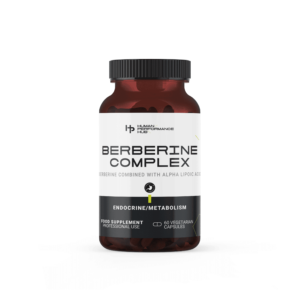
Find high-grade berberine supplements at Human Performance Hub. Choose between Berberine Complex Vegetarian Capsules

Human Performance Hub Berberine Complex

or Gluco Support Capsules, which contain Cinnamon Extract, Banaba Extract and Ginseng.

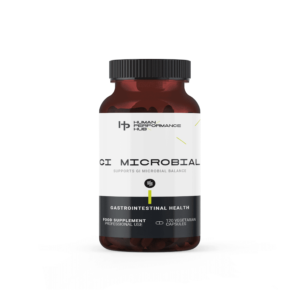
Our own Human Performance Hub GI Microbial supplement helps to diversify the gut biome and maximise digestive health.

Alternatively, if you’re unsure about what supplements to take to achieve your goals, contact us today for tailored advice.

Omega 3 Ultra is a high-potency omega-3 product

Athletes are always looking for ways to improve their performance, whether than be in the gym, on the field, or in their diet. Omega 3 has wide ranging benefits, particularly for athletes, but how much do they need to take to see noticeable results?


So, how much Omega 3 should an athlete take? To improve performance, athletes need to take more than the recommended daily intake of Omega 3 (1.1g-1.6g). This could be up to around 3.5g but can be adjusted for varying effects. 


Read on to learn more about how much Omega 3 an athlete should consume, as well as how it benefits their performance, and foods rich in Omega 3. 


How Much Omega 3 Should an Athlete Take for Sports Performance?

It is recommended that athletes consume a minimum of 1-2g of Omega 3 per day to see noticeable improvement. However, various studies have found that different doses may have different benefits. For example:


Dose Benefit
3.5g over 4 weeks ( in women) Improved complex reaction time and efficiency.

This supports the theory that Omega 3 may be beneficial for athletes to improve perceptual motor activity. Likewise, it may improve decision making,

1.75g of EPA (Eicosapentaenoic acid) and 1.05g DHA (Docosahexaenoic acid) per day for 3 weeks  Rise in acute-phase proteins occurring after exercise. This dosage may also reduce post-exercise immunosuppression.
3g (with a minimum of 2g EPA and 1g DHA) Improves physical performance and enhances recovery in athletes.


Do Athletes Need More Omega 3?

Athletes put their bodies through a lot each and every day, even if they’re serious about rest and recovery. However, essential fatty acids (EFAs) like Omega 3 can help to reduce inflammation and aid in recovery. It may also help to prevent injury. 


The average person should consume around 1.1g-1.6g of Omega 3 per day. A number of the studies above recommend that athletes consume more than this to reap the benefits. 


Omega 3 and Athletic Performance – How it Works & Benefits

Omega 3 has proven positive health benefits on, among other things, triglycerides, cholesterol values, brain function and the immune system. Other benefits include: 

Strength

Studies show that Omega 3 may boost muscle protein synthesis. This increases muscle mass and strength. Likewise, Omega 3, particularly EPA, improves protein metabolism.


Further to this, Omega 3 can contribute to an athlete’s calorie intake. An athlete needs to consume a higher load of calories to replace those that are burned off during training. Omega 3-rich foods or supplements are ideal for this as they are more nutrient-dense than carbohydrates or protein, yet contain a high amount of calories to offset the deficit.

On the other side of this, research also suggests that Omega 3 may prevent the loss of muscle mass. This is particularly beneficial for those that may have suffered an injury or take a short break from training but want to maintain their muscle mass.

Endurance

Some evidence suggests that Omega 3 improves endurance. Omega 3 acts as a vasodilator, increasing oxygen flow during exercise, thus improving endurance. Likewise, other studies suggest that Omega 3 may reduce fatigue.

Recovery

Omega 3 naturally contains anti-inflammatory properties which aid in muscle recovery and help to prevent injury. Consuming a higher amount of Omega 3 (as athletes are recommended to) helps to improve the integrity of cells and cellular function which helps to reduce muscle damage and soreness.

Additionally, Omega 3 is thought to improve sleep – an essential component for performance and recovery

Learn more about the benefits of Omega 3 and other fish oils in our recent blog.


Omega 3-Rich Foods

If you’re an athlete, you’re likely to be on-board with Omega 3 by now. But, what foods are rich in Omega 3? You probably already know about fish like salmon and sardine, but you can also get Omega 3 on a plant-based diet from nuts, seeds and some oils.


  • Fish such as anchovies, salmon, sardines, mackerel and herring
  • Oysters
  • Seeds such as chia seeds, flaxseeds and hemp seeds
  • Nuts such as walnuts
  • Soybeans
  • Vegetables such as Brussels sprouts


Can You Supplement Omega 3 for Sports Performance?

Omega 3 can easily be supplemented. Cod Liver Oil is a great place to start and is commonly recommended by Doctors, Nutritionists and other healthcare professionals alike. 

If you want to take things further, Human Performance Hub stocks a range of Omega 3 supplements to help improve your performance. 

At Human Performance Hub, we only sell premium Omega 3 supplements rich in Eicosapentaenoic acid (EPA) and Docosahexaenoic acid (DHA) – essential fatty acids

EPA is beneficial for supporting a  healthy brain, balanced emotions, skin health, maintaining normal  cholesterol levels and modulating the inflammatory response. Meanwhile, DHA supports proper brain  development and function, visual acuity, maintenance of normal  triglyceride levels and blood pressure, eye development and healthy pregnancies in women.

Additionally, our supplements contain Omega 3 in the triglyceride (TG) – the same way they naturally occur in fish – rather than ethyl ester (EE) form which is typical of mass-produced, mass-marketed Omega 3 supplements. They are less expensive to produce, but also less beneficial than TG Omega 3 and are harder for the body to digest. 

Finally, our Omega 3 supplements include mixed tocopherols, which protect these fragile oils from oxidation and  rancidity. They also ensure purity and to maximise the  removal of metals, pesticides, PCBs, and other contaminants

Omega 3 Ultra Softgel Capsules

Each 2-softgel capsule serving contains 400 mg of DHA and 600 mg EPA. This is an ideal choice for athletes that require a more aggressive application of Omega 3. 

ATP Lab Omega 3 Triglyceride Fish Oil

Contains a high concentration of Omega 3 (2088 mg EPA and 1044 mg DHA) which is particularly beneficial after periods of intense training and to help resolve associated aches and pains. 

Do Omega 3 Supplements Go Off?

Omega 3 supplements can go rancid and oxidise. This means that the fatty acids in Omega 3 react with the oxygen in the atmosphere. This process takes place through the action of Free Radicals which attack the fatty acids and changes them at a structural-molecular level.

When this process takes place, you might notice that your Omega 3 supplements start to have a rancid fish smell. This tends to be more prevalent in liquid supplements. 

Unfortunately, once Omega 3 supplements start to oxidise, research suggests that this oxidation may interfere with their intended benefits (i.e. they will become less useful for athletic performance). 

Final Thoughts

Omega 3 is beneficial for everyone; it is highly recommended that people consume a minimum of 1.1g-1.6g of Omega 3 per day. However, for athletes seeking to improve performance, they need to consume more Omega 3 per day – potentially up to 3.5g per day. 

This is thought to provide benefits such as strength, endurance and recovery, alongside improved reaction times, better decision making, and prevention of loss of muscle mass. 

Take a look at the range of Omega 3 and fish oil supplements at Human Performance Hub today.

Glycine Powder

Whilst glycine is the simplest amino acid found in our body, it is also one of the most crucial because it synthesises proteins. To put it simply, we are unable to live without it. Although it is found in many of the foods we eat, more often than not, we still do not get as much as we need. In this blog, Human Performance Hub explores whether glycine is good for building muscle and why athletes use glycine as a supplement. 

So, is glycine good for building muscle? Yes. Glycine is fantastic for building muscle because it synthesises proteins and plays a vital role in the creation of creatine and collagen. Both of these lead to an increase in growth hormone release which ultimately builds muscle.  

Keep reading to find out more about how glycine builds muscle and why athletes use glycine to improve physical performance. 


Does Glycine Build Muscle? 

Yes. Glycine is a huge contributor to muscle growth because it plays a vital part in the creation of creatine and collagen, both of which provide strength for your muscles. Studies show that a high dose of glycine intake can cause an increase in growth hormone release. This post-workout boost can help stimulate protein synthesis, build muscle and promote faster recovery. 

As a non-essential amino acid produced by the body, glycine synthesises proteins and plays a crucial role in the creation of

Creatine 

Glycine is one of three amino acids that your body uses to make a compound called creatine. Creatine provides your muscles with energy to perform quick, short bursts of activity, such as weightlifting and sprinting. On top of this, when creatine is combined with resistance training, studies show that it increases muscle size, strength and power. Bodybuilders use creatine supplementation to gain both muscle strength and mass. 

Collagen 

Collagen is a structural protein containing high amounts of glycine. In fact, every third to fourth amino acid in collagen is glycine. As the most abundant protein found in your body, collagen provides strength for your muscles, skin, cartilage, blood, bones and ligaments.

Supplementing with collagen has even been shown to benefit skin health, relieve joint pain and prevent bone loss. As a result, it is crucial that you get enough glycine to support your body’s production of collagen. 

Why Do Athletes Use Glycine? 

Athletes can gain a competitive edge by supplementing with glycine in the following ways

Performance 

Glycine has been proven to help with muscle gain. Experiments show that taking a single bolus with a high dose (22.5 grams) of glycine causes a 60% surge in growth hormone release from the pituitary gland in under five minutes. This rapid growth hormone boost post-workout helps build muscle and promote recovery whilst stimulating protein synthesis. Even smaller doses of four, eight and twelve grams will increase serum levels of growth hormones. 

When it comes to anaerobic performance, glycine has not been studied much. However, a supplemental form of glycine known as glycine-propionyl-L-carnitine has been shown to enhance peak power production and reduce lactate build during repeated, high-intensity sprints when taken 90 minutes pre-workout. 

Recovery 

Glycine and green tea have been proven to be effective in recovery after injury. The combination may even get you back on the track or field sooner than you had planned. Interestingly, a study was conducted using mice with achilles tendinitis. The mice who were given a glycine and green tea cocktail had greater tissue recovery, more collagen synthesis and lower inflammation. 

Therefore, it is clear that the combination of these two supplements produce a faster and more salient remodelling process after injury. 

More Benefits Of Glycine

Here is a list of some of the many other benefits of taking glycine supplements:

  • Improves sleep
  • Boosts metabolism
  • Improves heart health
  • Brain food
  • Lowers inflammation 

To read more about these benefits, take a look at our blog on The Top 7 Benefits Of Glycine Powder. 

How Much Glycine Should I Take To Build Muscle? 

While technically “non-essential,” the amounts of glycine we synthesise, plus dietary glycine, may fall short of the amount we need for optimal metabolic function. For all of the necessary metabolic functions to occur, we need 15 grams of glycine, however we only produce around 2.5 grams per day. This leaves another 12 grams of glycine intake needed to function at our best. Studies indicate that other sources, like dietary glycine do not meet this need. 

This is where our glycine powder at Human Performance Hub comes in. We recommend that you consume 3 grams (approximately 1/2 teaspoon) with water or any other beverage per day or as directed by your health care practitioner. 


How Do I Take Glycine? 

Glycine is readily available as a dietary supplement in capsule or powder form. If you do not like taking pills, the powder form dissolves easily in water and has a sweet taste. 

Fun fact – the name glycine is derived from the Greek word for ‘sweet’ (glykys) because of its sweet taste. 

Since glycine is so sweet tasting, it is easy to incorporate into your diet by adding it to:

  • Coffee and tea
  • Soups 
  • Oatmeal
  • Protein shakes
  • Yogurt 
  • Pudding

Is It Safe To Take Glycine?

As with any supplements, glycine is safe to consume in appropriate amounts. Studies have used up to 90 grams of glycine per day over several weeks without serious side effects. For comparison, the standard dose used in studies is about 3-5 grams per day.  

How Much Glycine Should You Take Per Day?

Start with 1 scoop of glycine powder mixed with water and taken after your evening meal. This dosage can then be increased to a maximum of 30g if you do not see any benefit from a single scoop, remember to monitor the effects and response you get from taking the supplement. 

Always talk to a qualified practitioner if you need further specific advice for your health. 

Glycine Powder at Human Performance Hub

Now that you know how glycine builds muscle, take a look at our extensive range of Glycine Powder supplements at Human Performance Hub

Whether you’re looking to improve your physical performance by building and strengthening your muscles or you’re simply looking to improve your sleep, we have something for everyone’s needs. 

Take a look at our range online today, or get in touch with us for tailored advice.

Human Performance Hub Glycine Powder


coffee on table

L-Carnitine is a molecule found in the body, used in numerous bodily processes. It is a combination of two amino acids which, when mixed together, create a single compound. Primarily, this supplement is associated with fat loss and brain function of which there are a number of studies to support this. Recently, however, people have started taking L-Carnitine with coffee to maximise the benefits. In this article, we explore whether or not it’s worth mixing L-Carnitine with coffee and discuss these potential benefits.


So, can I take L-Carnitine with coffee? Yes, you can mix L-Carnitine with coffee. It is often recommended to take with your morning coffee for best results. In fact, some experts recommend this method of consumption as the caffeine, alongside the time of day taken, may increase the benefits of taking L-Carnitine. 


Read on to learn more about L-Carnitine coffee, why you should do it, and how to make it. We also go into further detail about the general benefits of taking L-Carnitine supplements.


Can You Mix L-Carnitine with Coffee?

L-Carnitine is naturally found in the body and in some foods, but to really reap the benefits, most people need to supplement their intake of L-Carnitine. Some people choose to mix L-Carnitine with coffee as caffeine can significantly improve the benefits of taking this supplement. This is due to a number of factors:

  1. Most people take their coffee first thing in the morning. When mixing with L-Carnitine, this allows you to leverage the energy provided by both the caffeine and the supplement throughout the day.
  2. L-Carnitine can help to stabilise the energy gained from coffee and may help to reduce the coffee shakes!
  3. L-Carnitine coffee provides energy without needing to eat additional food. When eating this additional food, energy is gained from it, and any surplus is stored for later. With L-Carnitine, the energy comes from stored fat, making it great for weight or fat loss.
  4. Some studies show that L-Carnitine works best when consumed in smaller amounts alongside foodstuff. Mixing it with coffee gives you a bit of supplement with each sip, rather than in one large dose. 


When to Take L-Carnitine Coffee

Most people recommend taking L-Carnitine mixed into their morning coffee. This is because one of the key benefits of taking the supplement this way is to boost energy. There’s no point in waiting to take it with lunch or dinner if your primary aim is an energy boost (unless you need a mid-afternoon pick-me-up!). 


Furthermore, some people recommend taking L-Carnitine coffee in the morning on an empty stomach. This is to allow the compound to more rapidly digest and activate the benefits sooner. 


How to Take L-Carnitine With Coffee

If you want to add L-Carnitine to coffee, simply take your L-carnitine capsule with your morning coffee. 


If you’re taking L-Carnitine coffee for exercise purposes, it’s important to take it around an hour before working out. For other benefits, it can be taken at your convenience, although it’s best to have it early in the morning. 


Benefits of L-Carnitine

We’ve touched on the benefits of taking L-Carnitine with coffee, but there are a world of other benefits associated with the supplement. These include:

Weight/Fat Loss

Research is divided on the effects of L-Carnitine on weight loss, however, in theory, it supports weight loss by producing energy from existing fat stores. Learn more about this in our blog, What are the Benefits of L-Carnitine? Where we go into more detail about this particular benefit. 

Supports Brain Function

We’ve already discussed how L-Carnitine is great for energy production, but it may also be effective in supporting general brain function. Research indicates that the ALCAR form of L-Carnitine may help against age-related mental decline. Additionally, it may support and improve markers of learning

Furthermore, some studies indicate that taking L-Carnitine daily helps to reverse the decline in brain function in association with brain diseases such as Alzheimer’s. In some cases, it may also protect the brain from cell damage. 

Supports Heart Health

Some studies have shown that L-Carnitine may help to reduce blood pressure and support the inflammatory processes associated with heart disease. In fact, one study reported that just 2 g per day resulted in an almost 10-point drop in systolic blood pressure – an important indicator of heart health.

Boosts Exercise Performance

Evidence is mixed in relation to L-Carnitine’s relationship with exercise performance. However, it may benefit the following factors, especially when taken with caffeine:


How Much L-Carnitine Should You Take?

If you’re ever unsure about supplement dosage, consult the instructions on the packaging, or speak with your doctor or functional medicine practitioner. As a rule of thumb, however, experts suggest the following dosages for different forms of L-Carnitine:


  • Acetyl-L-Carnitine: 0.6-2.5 g per day
  • L-Carnitine L-Tartrate: 1-4 g per day

L-Carnitine Supplements at Human Performance Hub

At Human Performance Hub, we aim to empower people with knowledge, personalised services, and quality supplements to make informed decisions to improve their health.

We stock a range of L-Carnitine supplements to help support your goals. Choose from


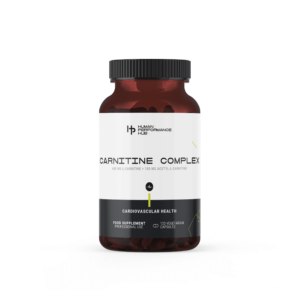
 Carnitine Complex Vegetarian Capsules

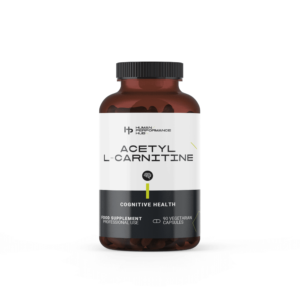
Acetyl L Carnitine UK Vegetarian Capsules 

Alternatively, get in touch with our experts today for more information and advice on health supplementation. 

Human Performance Hub Glycine Powder

Glycine is a naturally occurring amino acid that the body uses to create proteins. This is needed for the growth and maintenance of tissue, for the production of hormones and enzymes and for a number of other health benefits. In this article, we discuss the top 7 benefits of glycine to help you understand why supplementing with glycine can be so valuable.

So, what are the top 7 glycine benefits? Glycine is an amino acid that contributes to a number of health benefits including the production of serotonin and glutathione, improving sleep, supporting athletic performance, reducing the risk of heart disease and more.

Read on to learn more about what glycine is, what it does and how much should be taken per day to receive the benefits.

What is Glycine and What Does it Do?

Glycine is an amino acid that naturally occurs in the body. It can also be consumed in food such as meat, fish, dairy, legumes, or as a supplement. It is a building block for making proteins in the body and is involved in transmitting chemical signals to the brain, as well as stimulating the production of serotonin, the “feel-good hormone”. 

Further to this, glycine is also a key component of collagen, the protein that gives structure to the bones, skin, muscles and connective tissues. Other benefits and uses for glycine (in which we will go into more detail later) include:

  • Mood and memory
  • Sleep
  • Needed to produce an antioxidant
  • Improves brain-muscle performance
  • Decreases the risk of heart disease
  • Protects the liver from alcohol damage
  • Aids in the management and prevention of diabetes

Top 7 Benefits of Glycine

Below we go into more detail about the top 7 glycine benefits.

Powerful Antioxidant

Glycine is one of three amino acids that the body uses to create glutathione, a powerful natural antioxidant. Glutathione protects the cells against oxidative damage caused by free radicals (thought to underlie many diseases). 

If the body doesn’t naturally produce enough glycine (or other amino acids), less glutathione will be produced. This may negatively impact how the body handles oxidative stress. Over time, the body begins to produce less glutathione, therefore, it’s important to supplement glycine levels with diet or supplements. 

Decreases Risk of Heart Disease

As a powerful antioxidant and anti-inflammatory, glycine may help to reduce the risk of heart disease. In fact, a study in the Journal of the American Heart Association found that those with a higher plasma glycine level had a reduced risk of heart attack and had a more favourable heart disease profile.

Improves Brain-Muscle Performance

Glycine plays a part in the creation of creatine, a substance that provides muscles with the energy needed for short bursts of strength and speed. It is a particularly popular benefit for athletes. 

It can also provide the brain with energy which can help with cognitive functions such as short-term memory and reasoning. 

May Improve Sleep Quality

Amino acids like glycine are thought to have a calming effect on the brain and may help people to fall asleep easier. It may also help people to  stay asleep by lowering their core body temperature. 

Further to this, research has shown that glycine can help to lessen daytime sleepiness and improve cognition.

Aids in Diabetes Management and Prevention

It is thought that glycine may aid in the management and prevention of diabetes as glycine stimulates a gut hormone that increases the ability of insulin to remove glucose from the bloodstream. 

Protects the Liver from Alcohol Damage

Whilst there are a number of health benefits to reducing alcohol intake, glycine has been shown to reduce the harmful effects of alcohol on the liver by preventing inflammation. 

It may also reduce concentrations of alcohol in the blood by stimulating the metabolism of alcohol in the stomach, rather than in the liver which may prevent the development of fatty liver and alcohol cirrhosis.

Further to this, glycine may also aid in the reversal of liver damage and improve the recovery process. In a study, liver cell health returned to baseline 30% faster in those supplemented with glycine than those without. That being said, more research is needed in this area.

Impacts Mood and Memory

Glycine stimulates the production of serotonin, the “feel-good” hormone that helps to improve mood, memory and cognitive thinking. In fact, some people refer to glycine as a “natural antidepressant”. However, it’s important to note that these benefits are typically short-lived.

How Much Glycine Should You Take Per Day?

We recommend starting with 1 scoop of glycine powder mixed with a bit of water and taken after your evening meal. This dosage can be increased to a maximum of 30g if you do not see any benefit from a single scoop, but be sure to monitor the effects and response you get from the supplement.  Talk to a qualified practitioner if you need further specific advice for your health. 

Glycine Powder at Human Performance Hub

At Human Performance Hub, we offer our own Glycine Powder supplement to help improve your performance, encourage better sleep, boost your mood and assist with a number of other health benefits. Take a look at our range online today, or get in touch with us for tailored advice.