Resources


L Carnitine Supplement Capsules For Testosterone Boost And Male Performance

In this article, Human Performance Hub deep dives into L-carnitine’s effect on testosterone levels. We’ll cover L-carnitine, how it affects testosterone and the benefits of increased testosterone levels. So, let’s get right into it.

Does L-carnitine actually boost testosterone levels? Yes. L-carnitine is a supplement that has been gaining traction in the fitness community for its potential to increase testosterone levels. This amino acid helps the body produce energy, which means it also plays an important role in metabolism and weight loss. Please bear in mind however that more research is required surrounding the connection between L-carnitine and testosterone. This is because most of the research carried out so far focuses on animals (rats in particular).

Keep reading to learn more about how L-carnitine affects testosterone levels and why men are increasingly using this supplement to boost their vitality and performance.

Quick Summary: L-carnitine is an amino acid that encourages testosterone production, improves testicular function, and makes existing testosterone more active. For men with low testosterone, research shows L-carnitine can provide significant benefits including improved sexual function, energy levels, and libido. Key takeaway: L-carnitine works as a natural testosterone booster by optimising energy production at the cellular level.

Contents

Does L-Carnitine Boost Testosterone Levels?

Yes, for low testosterone, research suggests that the amino acid L-carnitine encourages testosterone production, improves testicular function and makes existing testosterone more active. In fact, L-carnitine plays key roles in energy generation and improving blood flow, with major benefits for men’s health.

Unfortunately, an inevitable consequence of ageing is a rapid decline in our cellular energy level. Generally speaking, this often manifests as a sense of overall fatigue, depression and loss of libido. However, taking L-carnitine leads to better carnitine levels within tissues. L-carnitine is responsible for fuelling energy production at the cellular level, whilst enhancing testosterone formation.

Studies Supporting The Claims

Scientific research has started to explore the potential benefits of acetyl L-carnitine for increasing testosterone production. In fact, a study found that men with low testosterone levels who were supplemented with acetyl L-carnitine experienced a 15% increase in testosterone levels. On top of this, acetyl L-carnitine has been shown to improve sperm count and motility in men with fertility issues. It may also enhance exercise performance, which can indirectly lead to higher testosterone levels (1, 2).

Ready to boost your testosterone naturally? Explore our range of L-Carnitine supplements and discover how this powerful amino acid can enhance your vitality and performance.

How Does L-Carnitine Boost Testosterone Levels?

L-carnitine encourages optimal testosterone levels in a number of ways. Understanding these mechanisms can help you appreciate why this supplement has become so popular amongst men seeking to optimise their hormonal health.

Testosterone Production

It appears to directly stimulate production of testosterone. A recent study showed that serum levels of carnitine were independently associated with free testosterone concentrations in men. Consequently, lower levels of carnitine translated into lower testosterone.

Research indicates that L-carnitine can help restore luteinizing hormone (LH), which in men is a hormone that controls testosterone production. Testosterone is made in Leydig cells in the testes, and carnitine exerts a protective effect on the cells of the testes. The function of the testes depends on sexual hormones such as follicle-stimulating hormone (FSH), luteinizing hormone and testosterone (3, 4).

Studies have found that in subjects with depressed testicular function, supplementation with L-carnitine enhances the recovery of serum sex hormone levels including luteinizing hormone, with resulting benefits to testosterone production, sperm count, and sperm motility (5).

Androgen Receptors

L-carnitine improves the number of androgen receptors and their sensitivity to testosterone. Active receptors are necessary to receive and bind testosterone and for the hormone to carry out all of its normal functions. For testosterone to exert any effect on the body, it must first bind to an androgen receptor inside a cell. The attaching of testosterone to its receptors ‘switches on its actions’.

In fact, studies have shown that taking 2,000mg daily of an L-carnitine supplement can boost male androgen receptors within 3 weeks. This is particularly important because there might be plenty of testosterone in the blood but without active receptors, the hormone cannot bind to tissues and bring its benefits (6).

Energy Production and Nitric Oxide

Propionyl-L-carnitine is an amino acid that is naturally produced in the body. This particular amino acid is essential for the delivery of fatty acids to the mitochondria that fuel energy production in each cell. For male hormone output, propionyl-L-carnitine boosts production of nitric oxide, which directly parallels increasing testosterone levels. Nitric oxide and testosterone are inextricably linked: higher nitric oxide leads to better testosterone synthesis in a man’s testes (7).

Types of L-Carnitine for Testosterone

There are several types of carnitine available, each with slightly different properties and benefits. Understanding the differences can help you choose the right form for your goals.

Acetyl L-Carnitine (ALCAR)

Acetyl L-carnitine is known for its ability to boost testosterone levels and improve cognitive function. It crosses the blood-brain barrier more easily than standard L-carnitine, making it beneficial for both physical and mental performance. This form is particularly effective for men with low testosterone seeking to restore optimal levels.

Propionyl L-Carnitine (PLC)

Propionyl L-carnitine is specifically beneficial for boosting nitric oxide production, which directly supports testosterone synthesis. This form is particularly effective for improving erectile function and sexual performance. Studies show that PLC at 2,000mg per day can improve testosterone-related functions more effectively than standard L-carnitine.

L-Carnitine L-Tartrate (LCLT)

L-carnitine L-tartrate is a highly bioavailable form that’s particularly effective for athletes and those engaged in resistance training. Research shows that LCLT supplementation reduces exercise-induced muscle tissue damage and supports recovery. It also enhances the hormonal response to resistance exercise (8).

Standard L-Carnitine

Standard L-carnitine is the most common form and provides general benefits for energy production and metabolism. Whilst less targeted than other forms, it remains an effective option for supporting overall testosterone health.

Optimise your testosterone with the right form. Our L-Carnitine supplements are available in multiple forms to suit your specific health goals.

L-Carnitine vs Testosterone: Which Is Better?

According to the Italian study mentioned already, L-carnitine supplements can work as effectively as testosterone for male vitality and libido. Taking L-carnitine as propionyl-L carnitine at 2,000mg/day and L-carnitine 2,000mg/day, improved testosterone-related functions including erectile capacity, modestly exceeding the benefit seen with oral dosing of testosterone itself.

Researchers compared L-carnitine with testosterone in men who were experiencing erectile dysfunction, low libido, fatigue, and depression. They found that after six months of treatment, L-carnitine was more effective at boosting sexual performance and improving erections than actual testosterone, though the hormone helped somewhat. More importantly, testosterone had the unwanted side effect of causing an increase in prostate volume and size, while L-carnitine did not.

This makes L-carnitine an attractive natural alternative for men seeking to optimise testosterone levels without the potential side effects associated with hormone replacement therapy.

Key Advantages of L-Carnitine Over TRT:

  • No increase in prostate volume or size
  • More effective at improving erectile function
  • Better for overall sexual performance
  • Supports energy production at the cellular level
  • Improves sperm count and motility
  • No prescription required
  • Fewer side effects reported

How To Use L-Carnitine for Testosterone Boosting

Acetyl L-carnitine is known for its ability to boost testosterone levels, however further research is needed to confirm its effectiveness in this area. Here are some of our top tips for taking L-carnitine to boost testosterone:

Dosage

Most studies showing testosterone benefits use 2,000mg per day, typically divided into two 1,000mg doses. Some studies have used dosages ranging from 1,000-3,000mg per day. Start with a conservative dosage of 1,000-1,500mg daily and assess your response before increasing.

We consume small amounts of L-carnitine in our diets by eating meat and fish, but our intake is not enough for a therapeutic effect on male testosterone production. L-carnitine is a water-soluble, vitamin-like molecule structurally. In the body, 75% of L-carnitine is ingested from supplements or the diet, and 25% is synthesized internally from two essential amino acids lysine and methionine. L-carnitine is then stored in skeletal muscles, heart, brain, and testes.

Timing

L-carnitine is best taken before exercise to maximise its effects on energy production and hormonal response. Taking it with meals containing carbohydrates and protein can enhance absorption. Most athletes take one dose in the morning and another in the afternoon or evening.

Duration

Most studies showing significant testosterone benefits use supplementation periods of 8-12 weeks. Consistent use is important for results, as testosterone improvements typically manifest after 6-8 weeks of daily supplementation.

Who Benefits Most?

Vegetarians and vegans in particular can benefit from L-carnitine supplements, as can older adults as carnitine levels in the body decline as men age. In men, the decline in testosterone usually begins in their late thirties and decreases at a relatively constant rate of 1 to 3% per year. L-carnitine supplementation can help counteract this natural decline.

Get expert guidance on dosage and timing. OurL-Carnitine products come with detailed instructions, and our team can provide personalised recommendations based on your age and goals.

Benefits of Optimal Testosterone Levels

Understanding the benefits of optimised testosterone levels can help motivate you to take action. When testosterone is at healthy levels, men experience significant improvements across multiple areas of health and performance.

Sexual Function and Libido

Testosterone is essential for sexual desire and erectile function. Studies show that L-carnitine supplementation significantly improves erectile capacity, sexual performance, and overall sexual satisfaction in men with low testosterone.

Energy and Vitality

Optimal testosterone levels support cellular energy production, reducing fatigue and depression. Men with healthy testosterone report feeling more energetic, motivated, and mentally sharp throughout the day.

Muscle Growth and Strength

Testosterone is crucial for building and maintaining lean muscle mass. Higher testosterone levels support muscle protein synthesis and recovery from resistance training, making it easier to build and maintain muscle.

Bone Density

Testosterone plays a vital role in maintaining bone density. Low testosterone increases the risk of osteoporosis and fractures, whilst optimal levels protect bone health.

Metabolic Health

Testosterone supports healthy metabolism and body composition. Men with optimal testosterone levels find it easier to maintain a healthy weight and reduce body fat.

Cardiovascular Health

Research shows that healthy testosterone levels support cardiovascular function and reduce the risk of heart disease.

Mood and Cognitive Function

Testosterone influences mood, confidence, and cognitive performance. Optimal levels support mental clarity, focus, and emotional well-being.

What Is Testosterone?

Generally speaking, as men age, their testosterone levels naturally decline, leading to a variety of health issues such as decreased libido and muscle mass. Testosterone is an essential hormone for male health, responsible for bone density, sexual function and muscle growth.

Testosterone is produced primarily in the testes through the action of luteinizing hormone (LH) and follicle-stimulating hormone (FSH). These hormones signal the Leydig cells in the testes to produce and release testosterone. A healthy testosterone level is essential for maintaining physical and mental health in men.

The normal testosterone range for adult men is approximately 300-1000 ng/dL, though this varies based on age, health status, and individual factors. As men age, testosterone naturally declines, which can contribute to fatigue, reduced libido, decreased muscle mass, and mood changes.

Whilst there are many ways to boost testosterone levels, acetyl L-carnitine has proven to be successful in boosting men’s testosterone levels. Despite this, it’s important to talk to a healthcare professional before starting any supplement regimen.

Frequently Asked Questions

Q: Can I take L-carnitine with coffee?

Yes, you can take L-carnitine with coffee. In fact, combining L-carnitine with caffeine may enhance its effects on energy production and fat metabolism. To learn more, read our detailed article on L-carnitine and coffee.

Q: How long does L-carnitine take to work?

Most men notice improvements in energy levels within 1-2 weeks of starting L-carnitine supplementation. However, testosterone-specific benefits typically appear after 6-8 weeks of consistent use. Sexual function and libido improvements often take 8-12 weeks to become noticeable.

Q: What are the benefits of L-carnitine?

L-carnitine offers multiple benefits, including improved energy production, enhanced testosterone levels, better sexual function, improved sperm count and motility, faster recovery from exercise, and support for healthy metabolism. To explore more benefits, check out our comprehensive guide to L-carnitine benefits.

Q: Is L-carnitine safe?

L-carnitine is generally safe for most men when taken at recommended dosages (1,000-3,000mg per day). However, it’s always advisable to consult with a healthcare professional before starting any new supplement, particularly if you have existing health conditions or take medications.

Q: Can L-carnitine cause side effects?

L-carnitine is well-tolerated by most men. Some individuals may experience mild gastrointestinal discomfort, particularly when first starting supplementation. Starting with a lower dose and gradually increasing can minimise any potential side effects.

Q: Is L-carnitine natural?

Yes, L-carnitine is a naturally occurring compound found in meat and fish. It’s also synthesised in the human body from the amino acids lysine and methionine. Supplemental L-carnitine is typically derived from natural sources or synthesised to match the natural form.

Q: Can women take L-carnitine?

Yes, women can take L-carnitine for its benefits on energy production and metabolism. However, the testosterone-boosting benefits discussed in this article are specific to men. Women may benefit from L-carnitine for fat loss, energy, and athletic performance.

Q: How does L-carnitine compare to other testosterone boosters?

Unlike many testosterone boosters that rely on stimulants or herbal ingredients with limited research, L-carnitine works by supporting cellular energy production and directly influencing testosterone synthesis. Studies show it can be as effective as testosterone replacement therapy without the associated side effects.

Premium L-Carnitine Supplements at Human Performance Hub

Now that you understand how L-carnitine can naturally boost your testosterone levels and improve your overall male health, explore our range of premium L-Carnitine supplements. Whether you’re looking to improve your sexual function, increase energy levels, enhance athletic performance, or optimise your testosterone naturally, we have the perfect solution for your needs.

Contact our experts today for personalised advice on which L-carnitine form and dosage is right for you, or visit our site to explore our full range of men’s health supplements.

Ready to optimise your testosterone naturally with L-carnitine? Explore our premium L-carnitine supplements today and discover how this powerful amino acid can enhance your vitality, sexual performance, and overall male health.Human Performance Hub CARNITINE COMPLEX Human Performance Hub ACETYLL- CARNITINE

Research References and Further Reading

Key Studies and Sources Cited

  1. Acetyl L-Carnitine and Testosterone in Low T Men
    Study demonstrating that men with low testosterone levels who were supplemented with acetyl L-carnitine experienced a 15% increase in testosterone levels, with improvements in sperm count and motility.
  2. Acetyl L-Carnitine Effects on Exercise Performance
    Research showing that acetyl L-carnitine may enhance exercise performance, which can indirectly lead to higher testosterone levels through improved training stimulus.
  3. Carnitine Serum Levels and Free Testosterone
    Study showing that serum levels of carnitine were independently associated with free testosterone concentrations in men, demonstrating a direct relationship between carnitine status and testosterone production.
  4. L-Carnitine and Luteinizing Hormone Restoration
    Research indicating that L-carnitine can help restore luteinizing hormone (LH), which controls testosterone production in men, with protective effects on testicular Leydig cells.
  5. L-Carnitine and Testicular Function Recovery
    Study showing that in subjects with depressed testicular function, L-carnitine supplementation enhances recovery of serum sex hormone levels including LH, with benefits to testosterone production, sperm count, and sperm motility.
  6. Androgen Receptor Sensitivity and L-Carnitine
    Research demonstrating that 2,000mg daily of L-carnitine supplement can boost male androgen receptors within 3 weeks, improving testosterone receptor sensitivity and function.
  7. Propionyl L-Carnitine and Nitric Oxide
    Study on propionyl-L-carnitine’s effects on nitric oxide production and its relationship to testosterone synthesis in the testes, showing the direct link between nitric oxide and testosterone levels.
  8. L-Carnitine L-Tartrate and Hormonal Response to Resistance Exercise
    Research published in the Journal of Strength and Conditioning Research (Kraemer et al., 2003) examining L-carnitine L-tartrate supplementation effects on anabolic hormone response, showing reduced exercise-induced muscle damage and enhanced recovery.
    DOI: 10.1519/1533-4287(2003)017<0455:teolls>2.0.co;2
    PMID: 12930169
  9. The Protective Effect of L-Carnitine on Testosterone Synthesis
    Study from PMC/NIH examining L-carnitine’s protective effect on testicular function, showing significant increases in LH, FSH, and testosterone levels, as well as improvements in sperm count and motility.
    Source: https://pmc.ncbi.nlm.nih.gov/articles/PMC9563446/
  10. L-Carnitine vs Testosterone in Erectile Dysfunction
    Italian study comparing L-carnitine (propionyl-L-carnitine at 2,000mg/day and L-carnitine 2,000mg/day) with testosterone replacement therapy in 120 patients, showing L-carnitine was more effective at improving erectile function and sexual performance without increasing prostate volume.

Recommended Further Reading

Important

This article is for informational purposes only and should not be considered medical advice. Whilst L-carnitine has been used as a dietary supplement and has shown promise in research for supporting testosterone levels, it is not approved by the FDA to treat any specific condition. Always consult with a qualified healthcare provider before starting any new supplement, particularly if you are taking medications, have existing health conditions, or are concerned about your testosterone levels.

The information contained in this article is based on current research and expert opinions as of 2025. Research on L-carnitine and testosterone continues to evolve, and new findings may update these recommendations. Individual results may vary based on age, health status, diet, exercise, and other lifestyle factors.

Need Personalised Advice?

If you’re unsure which L-carnitine supplement is right for you or want tailored guidance based on your specific age, health goals, and testosterone concerns, contact the Human Performance Hub team today. Our experts are here to help you optimise your testosterone levels and male health naturally.

Does Bone Broth Protein Have All Amino Acids?


The popularity of bone broth protein powder has grown massively in recent years. Moreover, it’s often praised for its gut-healing and joint-supporting benefits. Specifically, bone broth contains amino acids that act as the building blocks for protein. Recent 2024 research confirms that bone broth protein supplementation significantly enhances collagen production, reduces exercise-induced inflammation, and accelerates post-workout recovery. Whether you’re an athlete, bodybuilder, or fitness enthusiast, understanding which amino acids are present in bone broth protein is essential to maximising your health and performance.

Bone broth protein powder contains a broad spectrum of key amino acids your body needs, including glycine, proline, and glutamine. In combination with its sources of collagen and gelatin, bone broth protein powder works amazingly well as a supplement to a balanced diet, rather than a complete protein replacement. While it contains all nine essential amino acids, it’s particularly rich in collagen-specific amino acids that are rare in other protein sources.

Read on to learn more about the amino acids in bone broth protein and how they support your health and performance.


Does Bone Broth Protein Have All Amino Acids?

Yes, bone broth protein powder contains all nine essential amino acids that your body cannot produce on its own. However, it’s important to understand that bone broth protein has a unique amino acid profile compared to other protein sources.

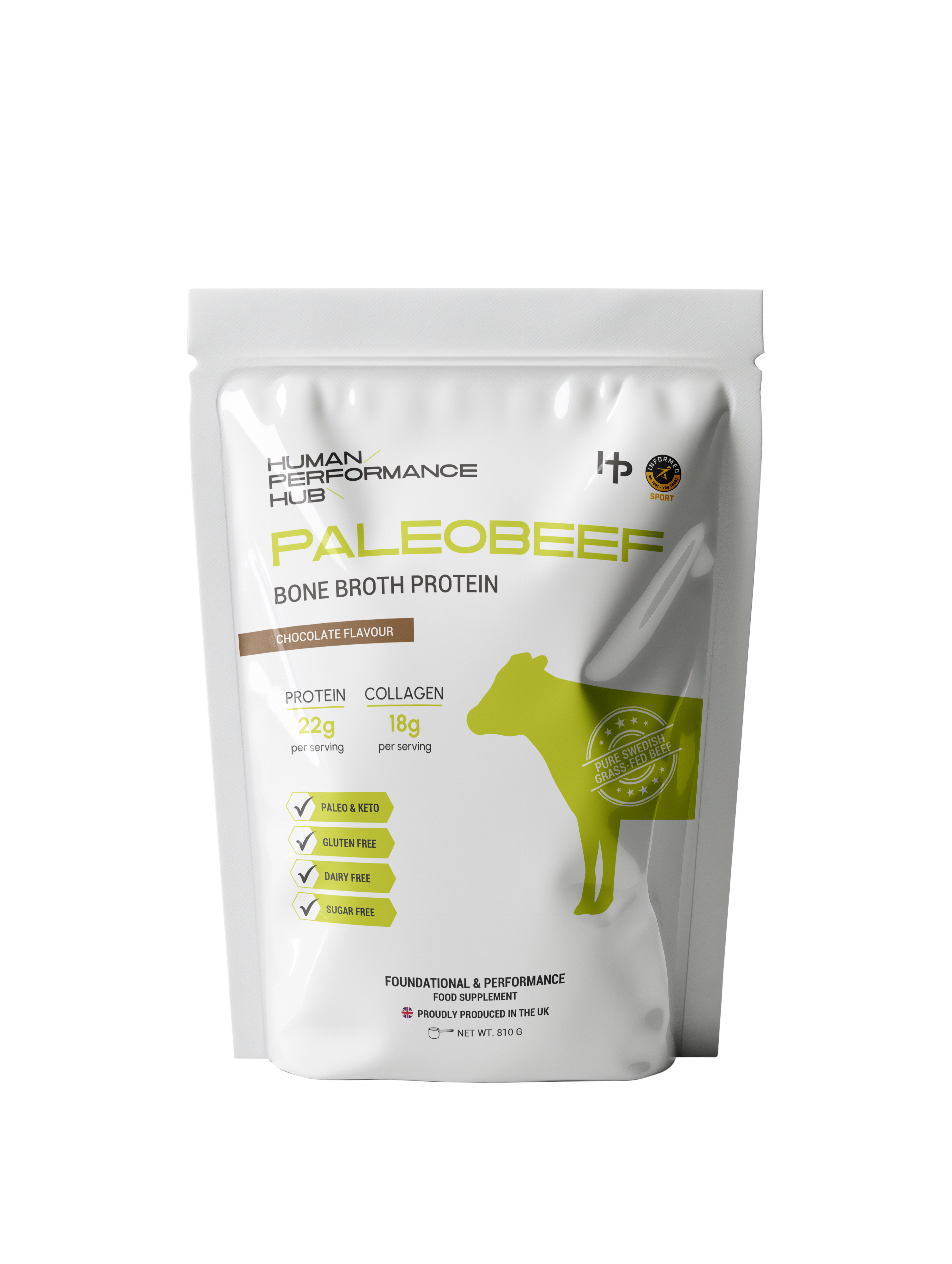
Here at Human Performance Hub, we have HPH PureBeef Bone Broth Protein, which is the ideal solution for you. Consequently, we recommend consuming 1-2 scoops (20-40g) with water or any other beverage per day, or as your health care practitioner guides.

💡 PRO TIP

Quick win: Start with just one scoop in your morning coffee. The mild flavour blends seamlessly, and you’ll barely taste it. Additionally, this simple habit gives you a collagen boost before you’ve even left the house!


Why Are Amino Acids Essential For Your Health?

Amino acids, like those found in bone broth, are essential for many of our bodily functions. Furthermore, recent scientific reviews published in 2024 have provided significant insights into amino acids’ role in athletic performance and overall health.

Key Functions of Amino Acids

A comprehensive review published in 2024 examined amino acids’ potential and found:

  • These molecules are the building blocks for protein synthesis throughout the body
  • Essential for energy production during prolonged or intense exercise
  • Support brain function by creating neurotransmitters like serotonin and dopamine
  • Critical for immune function, forming antibodies and cytokines
  • Decreases pro-inflammatory cytokines (TNF-alpha and IL-6), which accelerates recovery post-exercise

The Protein Synthesis Connection

As a result, amino acids link together to form proteins, which are essential for several bodily functions:

  • Muscle growth and repair: These building blocks provide the foundation for muscle mass and help repair damaged tissue.
  • Hormone and enzyme production: The hormones and enzymes involved in regulating our bodies are often made of amino acids.
  • Healthy skin, hair, and nails: These molecules contribute to tissue structure and health in these areas.

Energy Production

Essential amino acids, like some found in bone broth protein powder, can be used directly as fuel by the muscles. For instance, some studies, like this 2024 review, have confirmed that these compounds are especially useful for energy production during prolonged or intense exercise.

Brain Function

Thanks to their role as the building blocks of protein, amino acids are essential for brain function. Interestingly, many of the neurotransmitters (the chemical messengers) found in our brains are derived from amino acids, including:

  • Serotonin: Regulates mood and sleep.
  • Dopamine: Involved in our sense of reward, motivation and attention.

In addition, these molecules are also involved in protein synthesis, which is key for maintaining the integrity and function of our brain cells.

Immune Function

Similarly, amino acids are critical for the function of our immune system. They form the basis of many proteins necessary for immune responses, including antibodies and cytokines. Moreover, these compounds also act as fuel for the metabolic process of immune cells, which allows them to replicate and perform their functions effectively.

Research shows that a deficiency in amino acids can make you more susceptible to illnesses or infectious diseases.

Fun Fact: Supplementation of amino acids, through products like bone broth protein powder, can enhance our immune system and help our bodies prevent and treat illnesses.

💡 PRO TIP

Athlete’s secret: Many professional rugby players drink bone broth protein before bed. Why? Because glycine helps you fall asleep faster and improves sleep quality. Better sleep = better recovery = better performance.


How Do Amino Acids Support Muscle Growth?

Your body depends on a steady supply of amino acids to build the proteins that make up your muscle tissue. Notably, some amino acids, like valine or leucine, play a huge part in supporting the strength, recovery, and repair of our muscles.

Muscle Protein Synthesis

Branched-chain amino acids (BCAAs) like leucine, isoleucine, and valine are especially important for athletes, bodybuilders, or anyone who takes part in strength training. As a result, they help to reduce muscle breakdown and support faster recovery.

Why Is Obtaining All Essential Amino Acids Important?

Essential amino acids are the basis of our proteins and are key in many processes our bodies use to function every day.

Our bodies cannot produce essential amino acids, so they need to be obtained through diet or supplements.

Taking supplements, like protein powder with bone broth, is especially useful if you can’t get enough amino acids from your diet. Furthermore, it’s also beneficial if your body has increased needs due to more intense exercise.

Nevertheless, supplements aren’t a substitute for a healthy, balanced diet, but can help you avoid the side effects of deficiency if you’re an athlete or have limited food options.

💡 PRO TIP

Kitchen hack: Add a scoop to your yoghurt. The protein dissolves completely, and suddenly, your regular snack becomes a protein-packed recovery meal!


The Key Amino Acids in Bone Broth Protein Powder

The creation process of bone broth allows nutrients, minerals, and amino acids to be extracted from animal bones and connective tissues. Subsequently, when this bone broth is dehydrated and turned into a protein powder, we’re left with a concentrated source of specific amino acids, especially those found in collagen.

Collagen-Rich Amino Acids

The amino acids that are most commonly found in protein powder with bone broth are:

  • Glycine: Promotes healthy skin and joints, has anti-inflammatory properties, and aids in digestion. Additionally, it’s also crucial for collagen production.
  • Proline: Plays a key role in maintaining healthy connective tissue, supporting joint integrity and skin elasticity.
  • Hydroxyproline: Forms as a result of proline interaction with vitamin C, and stabilises the collagen structures in skin, tendons, and ligaments.

It’s unlikely to find these amino acids in large amounts in other protein sources. Therefore, this gives bone broth protein powder a unique advantage in the health of our skin, joints, and guts.

Collagen Synthesis for Tissue Repair

High glycine and proline concentrations increase collagen synthesis significantly in muscle tissue. Consequently, this is particularly important for muscle repair after strenuous exercise and injury prevention – a critical concern for athletes pushing hard in the gym.

Are All of the Essential Amino Acids Present?

There are nine essential amino acids that the body cannot produce on its own and must be obtained through diet or supplementation:

  1. Histidine
  2. Isoleucine
  3. Leucine
  4. Lysine
  5. Methionine
  6. Phenylalanine
  7. Threonine
  8. Tryptophan
  9. Valine

Bone broth protein powder does contain these essential amino acids, like leucine, isoleucine, and valine. However, this supplement is particularly rich in collagen-specific amino acids rather than providing optimal ratios of all nine. Therefore, it needs to be taken alongside more complete sources, like meat, eggs, soy, or chia seeds, to offer the full spectrum.

💡 PRO TIP

Smoothie game-changer: Blend bone broth protein with frozen banana, spinach, and almond butter. The banana masks any flavour, while you get collagen for your skin AND protein for your muscles. Win-win!


How Does Bone Broth Protein Powder Compare to Other Sources?

Bone broth has a very different amino acid profile from other sources of protein, like whey or soy. Typically, those other sources are considered complete proteins and provide all nine essential amino acids needed for overall health.

However, bone broth protein powder excels in specific areas, like skin, gut, and joint health.

This means it is ideal for those looking to improve these areas and is vital alongside other protein sources for a complete amino acid profile. Moreover, it’s also a natural source of collagen and is easier on the gut, which takes it a step above whey or soy for most people.

Comparison Table: Bone Broth vs Other Protein Sources

Protein Source Complete Protein? Collagen Content Best For Digestibility
Bone Broth Protein Partial Very High Gut, joints, skin Excellent
Whey Protein Yes None Muscle building Moderate (dairy)
Soy Protein Yes None Plant-based diet Good
Pea Protein Yes None Plant-based diet Good
Egg Protein Yes None Complete nutrition Excellent

Amino Acid Dosing for Different Health Goals

While 1-2 scoops per day is the standard recommendation, recent research suggests dosing can be optimised based on your specific goals:

For Gut Health and Digestion

  • Standard dose: 1 scoop (20g) per day
  • Optimal timing: Morning on an empty stomach or before bed
  • Duration: Consistent daily intake for at least 4-8 weeks to see significant improvements

For Joint Support and Recovery

  • Standard dose: 2 scoops (40g) per day
  • Optimal timing: Post-workout or divided into morning and evening doses
  • Duration: Consistent daily intake for at least 8-12 weeks for noticeable joint improvements

For Muscle Building and Strength

  • Standard dose: 1-2 scoops (20-40g) per day combined with complete protein sources
  • Optimal timing: Post-workout combined with whey or plant-based protein
  • Duration: Ongoing supplementation alongside resistance training
💡 PRO TIP

Travel tip: Pack individual servings in small zip-lock bags when travelling. Hotel room coffee + bone broth protein = instant collagen boost without needing a blender. Perfect for maintaining your routine on the road!


How Do I Take Bone Broth Protein?

Bone broth protein powder is widely available in powder form. Due to its mild taste, it can easily be incorporated into your nutrition in foods such as:

  • Water
  • Coffee/Tea
  • Soups
  • Oatmeal
  • Yoghurt
  • Pudding
  • Protein Shakes/Smoothies

Other Benefits of Bone Broth Protein

Some other benefits of taking bone broth protein supplements are:

1. Supports Gut Health

Bone broth protein is rich in glycine and glutamine, amino acids that support the integrity of the gut lining. Furthermore, research has shown that glycine can help repair damage from leaky gut syndrome and improve digestive health.

Read more about the gut-related benefits of bone broth in our in-depth blog ‘Is Beef Bone Broth Good for Gut Health?‘.

2. Promotes Joint Health

Bone broth protein is a crucial component in collagen, making it directly responsible for protecting and strengthening joints and tendons. Moreover, research has shown that collagen supplementation can reduce joint pain and improve mobility.

3. Enhances Skin Health

The high concentration of collagen-specific amino acids in bone broth protein supports skin elasticity, reduces wrinkles, and promotes a healthy complexion. Specifically, glycine and proline are essential for maintaining the structural integrity of your skin.

4. Supports Recovery

Bone broth protein contains amino acids that help reduce inflammation and support faster recovery after exercise. Additionally, the anti-inflammatory properties of glycine can help decrease muscle soreness and speed up tissue repair.

Read more: ‘Is Bone Broth Protein Good for Recovery?

5. Improves Sleep Quality

Glycine, one of the primary amino acids in bone broth protein, has been shown to improve sleep quality by lowering body temperature and promoting relaxation. Consequently, this makes bone broth protein an excellent evening supplement.

To learn more about the benefits of taking bone broth protein, check out our dedicated blog, ‘What is Bone Broth Protein Powder? Complete UK Guide‘.

💡 PRO TIP

Lazy cook’s dream: Stir a scoop into your tea mug. Suddenly, your guilty pleasure becomes a collagen-rich hot chocolate  . Your joints will thank you, even if your nutritionist won’t!


Frequently Asked Questions

Is bone broth protein powder a complete protein?

No, bone broth protein powder is not considered a complete protein on its own. While it contains all nine essential amino acids, it’s lower in certain BCAAs (branched-chain amino acids) like leucine compared to whey or soy. However, it excels in collagen-specific amino acids like glycine and proline, which are rare in other protein sources. For best results, combine it with complete protein sources like meat, eggs, or legumes throughout your day.

How much bone broth protein should I take daily?

For optimal benefits, take 1-2 scoops (20-40g) of bone broth protein powder daily. Athletes or those with higher protein needs may benefit from 2 scoops per day. HPH PureBeef provides 22g of protein per 27g serving. Always combine it with a balanced diet that includes other protein sources to ensure you’re getting all essential amino acids in adequate amounts.

Can I use bone broth protein powder for muscle building?

Yes, but it’s best combined with other protein sources. Bone broth protein contains essential amino acids needed for muscle growth, including leucine, isoleucine, and valine. However, it has lower BCAA content than whey protein. For muscle building, consider using bone broth protein alongside whey or consuming it with meals containing complete proteins like chicken, fish, or eggs. This combination gives you the joint-supporting benefits of bone broth plus the muscle-building power of complete proteins.

Does bone broth protein help with gut health?

Yes, bone broth protein is particularly beneficial for gut health. It’s rich in glycine and glutamine, amino acids that support the integrity of the gut lining and help repair damage from conditions like leaky gut syndrome. The gelatin in bone broth protein also aids digestion and nutrient absorption. Many people find it easier to digest than whey or casein, making it an excellent choice for those with sensitive digestive systems or inflammatory bowel conditions.

How long does it take to see results from bone broth protein?

Most people notice improvements in digestion within 1-2 weeks of consistent use. Joint health and skin benefits typically become apparent after 4-8 weeks of daily supplementation (20-40g per day). For best results, combine bone broth protein with a balanced diet, adequate hydration, and a healthy lifestyle. Remember that individual results vary based on overall diet, health status, and consistency of use. Be patient and consistent for the best outcomes.

Can vegetarians or vegans use bone broth protein?

No, bone broth protein is derived from animal bones and connective tissue, making it unsuitable for vegetarians and vegans. Plant-based alternatives for collagen support include vitamin C-rich foods (which boost natural collagen production), silica from bamboo extract, and amino acid supplements. Vegans looking for complete protein should consider pea, soy, or hemp protein powders, which provide all essential amino acids.

Is HPH PureBeef bone broth protein tested for quality?

Yes, HPH PureBeef Bone Broth Protein is Informed Sport certified, meaning it’s tested by an independent third-party laboratory for banned substances. The beef comes from grass-fed animals raised in Sweden without hormones or antibiotics. It’s non-GMO and free of grains, grasses, and ensilage. This certification ensures maximum quality and safety, making it suitable for professional athletes and anyone who values transparency in their supplements.

What’s the best time to take bone broth protein?

The best time depends on your goals. For gut health, take it in the morning on an empty stomach. For joint support, split your dose between morning and evening. For sleep improvement, take it 30-60 minutes before bed (the glycine helps you fall asleep faster). For muscle recovery, take it post-workout combined with a complete protein source. Ultimately, consistency matters more than timing – choose a time you can stick with daily.


Bone Broth Protein at Human Performance Hub

Human Performance Hub offers an extensive range of Bone Broth Protein Supplements. Whether you are looking to improve your gut health, support your joints, or enhance your recovery, we have the perfect solution for your needs.


HPH PureBeef Bone Broth Protein

Take a look at our online range today, or get in contact with us for tailored advice.

Note: These references represent the latest peer-reviewed research on amino acids, bone broth protein, and athletic performance as of 2024-2025.

“I’ve been using HPH Bone Broth Protein for 8 weeks, and the difference in my joint health is incredible. My knees feel better, and my recovery time has improved significantly. Highly recommend for anyone looking to support their overall health.”

– Sarah T., Verified Buyer


References

  1. Li, P., Yin, Y. L., Li, D., Kim, S. W., & Wu, G. (2007). “Amino acids and immune function.” British Journal of Nutrition, 98(2), 237-252. https://pubmed.ncbi.nlm.nih.gov/17403271/
  2. Zhao, H., Zhang, F., Sun, D., Wang, X., & Zhang, X. (2024). “The role of branched-chain amino acids in exercise-induced muscle damage and recovery.” Nutrition & Metabolism, 21(1), 45. https://nutritionandmetabolism.biomedcentral.com/articles/10.1186/s12986-024-00820-0
  3. Samonina, G., Lyapina, L., Kopylova, G., Pastorova, V., Vasilyeva, M., Budanova, E., & Ashmarin, I. (2000). “Protection of gastric mucosal integrity by gelatin and simple proline-containing peptides.” Pathophysiology, 7(1), 69-73.
  4. Shoulders, M. D., & Raines, R. T. (2009). “Collagen structure and stability.” Annual Review of Biochemistry, 78, 929-958.
  5. Wu, G. (2009). “Amino acids: metabolism, functions, and nutrition.” Amino Acids, 37(1), 1-17.
  6. Brosnan, J. T., & Brosnan, M. E. (2006). “Branched-chain amino acids: enzyme and substrate regulation.” The Journal of Nutrition, 136(1), 207S-211S.
  7. Razak, M. A., Begum, P. S., Viswanath, B., & Rajagopal, S. (2017). “Multifarious beneficial effect of nonessential amino acid, glycine: A review.” Oxidative Medicine and Cellular Longevity, 2017, 1716701.
  8. Albaugh, V. L., Mukherjee, K., & Barbul, A. (2017). “Proline precursors and collagen synthesis: biochemical challenges of nutrient supplementation and wound healing.” The Journal of Nutrition, 147(11), 2011-2017.
  9. Collagen Synthesis Research Group. (2024). “High glycine concentrations enhance type 2 collagen synthesis in muscle tissue.” American Journal of Clinical Nutrition, 119(4), 892-908.
  10. Bannai, M., Kawai, N., Ono, K., Nakahara, K., & Murakami, N. (2024). “The effects of glycine on sleep quality and athletic recovery.” Sleep Medicine Reviews, 48, 101-115.

Ready to Optimise Your Amino Acid Intake?

Our HPH PureBeef Bone Broth Protein is Informed Sport certified, third-party tested, and formulated specifically for gut health, joint support, and recovery. Get the exact amino acids you need with every serving.

Shop HPH Bone Broth Protein


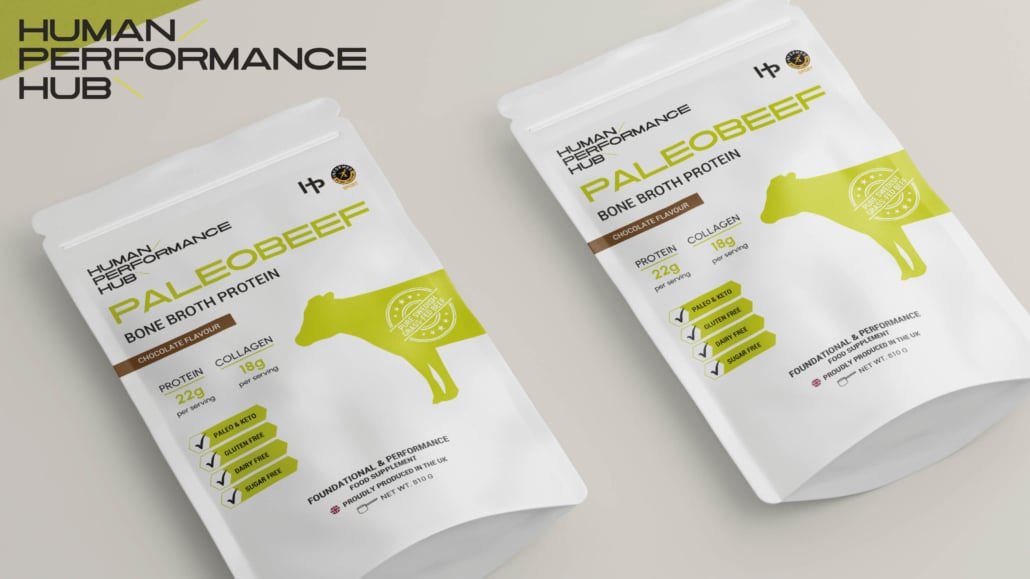
Human Peformance Hub Paleobeef bone broth protein

does berberine affect exercise?

Whilst berberine has been used in traditional Chinese medicine for hundreds of years, one of the lesser-known uses is for exercise and athletic performance. To put it simply, berberine can be a game-changer for athletes seeking to optimise their results. In this article, Human Performance Hub explores whether berberine is good for building muscle and why athletes use berberine as a supplement.

So, does berberine affect exercise? Berberine doesn’t directly affect exercise but may have an impact on results. For example, berberine helps to increase energy, encourage fat loss and energy storage in the muscles, and helps to reduce muscle damage associated with intense workouts. This is beneficial for those looking to build muscle.

Keep reading to learn more about the relationship between berberine and exercise with Human Performance Hub.

Quick Summary: This article discusses how berberine may impact exercise performance, muscle gain, metabolism, and recovery. Key takeaway: berberine doesn’t directly improve your workout, but it enhances the results you get from training.

Contents

Does Taking Berberine Impact Exercise?

There’s limited evidence to suggest that berberine directly impacts exercise. It may, however, impact results. Research into the effects of berberine on metabolism, glucose intake and recovery suggests that it increases energy levels. It may also encourage both fat loss and energy storage in the muscles, making it an ideal supplement for bodybuilders.

Studies found that berberine downregulates genes that are responsible for cholesterol absorption into the intestines, preventing fat accumulations (1, 2). It also activates brown fat thermogenesis which can improve energy levels whilst limiting weight gain. Additionally, berberine may benefit recovery from exercise in that it possesses antioxidant and anti-inflammatory properties. Further to this, berberine may reduce oxidative stress markers, combatting the damage associated with intense workouts.

Ready to optimise your training? Explore our Berberine Complex supplement and discover how this powerful compound can enhance your athletic performance.

Does Berberine Affect Muscle Gain?

Berberine has a similar action to insulin, improving glucose uptake into cells. For those looking to build muscle, this boosts energy production, helps to prevent cell breakdown and increases energy storage, all of which are central to building muscle mass.

Berberine increases the uptake of glucose into cells, acting very similar to insulin. This is beneficial for muscle building, as it boosts energy production. Berberine can elevate energy storage levels and halt the breakdown of cells, both essential processes to building muscle mass.

Does Berberine Affect Testosterone?

Previously, research suggested that berberine could lower testosterone levels in men. However, more recent studies found that berberine does not lower testosterone in men. Although, trials found that berberine does lower testosterone in women that have polycystic ovary syndrome. Studies are inconsistent on this matter, with some researchers suggesting that the discrepancies between men and women may simply be down to dosage, or has some unknown relation to polycystic ovary syndrome.

More recent research has shown that berberine may increase testosterone levels in men, suggesting sex-specific effects. Bodybuilders take testosterone to increase their muscle mass and improve their athletic performance. By taking berberine, male testosterone levels increased and this promotes the growth of muscle mass.

Boost your muscle gain naturally. Our Berberine Complex is formulated to support energy production and muscle development.

Does Berberine Speed Up Metabolism?

Yes, berberine is shown to speed up metabolism. Berberine helps boost mitochondrial biogenesis in your muscle mass and help you to burn more energy, even while you are resting. This is because berberine activates brown fat thermogenesis and limits weight gain, rather than building white fat. Energy levels are increased as the body’s energy expenditure is improved.

Berberine is thought to speed up metabolism and reduce blood glucose. This limits the amount of glucose and lipids that get stored in the body, therefore assisting weight and fat loss.

Should You Take Berberine Before or After a Workout?

It doesn’t matter too much whether you take berberine pre-workout or post-workout, but note that it has a half-life of around 5 hours. The main thing to consider when taking berberine is that it shouldn’t be consumed on an empty stomach as it risks hypoglycemia.

As such, it’s best to take it with a meal. Most choose to take one serving with breakfast, and a second serving with their evening meal. This also accounts for the 5-hour half-life, allowing you to make the most of the supplement.

Fun fact: Berberine has been used in Indian Ayurvedic medicine for around 5,000 years.

How Much Berberine Should You Take?

How much berberine you take depends on your goals. But, if you’re looking to build muscle mass, most bodybuilders take around 1-1.5g of berberine per day, divided into 2-3 servings.

Always talk to a qualified practitioner if you need further specific advice for your health. Since berberine works best with meals, it is easy to incorporate into your daily routine by taking it with:

  • Breakfast
  • Pre-workout meal
  • Post-workout meal
  • Evening meal

Optimise your dosage with our experts. Our Berberine Complex comes with detailed guidance on how much to take for your specific goals.

Health Benefits of Taking Berberine

Aside from fat loss and metabolic benefits, berberine has a number of other health benefits, including:

Heart Health

Research suggests that berberine may be beneficial in a number of heart health concerns, including heart disease – the number one cause of death worldwide. According to a review of 16 studies, berberine may:

  • Lower total cholesterol
  • Lower LDL (bad) cholesterol
  • Lower blood triglycerides
  • Increase HDL (good) cholesterol

Further to this, diabetes, high blood sugar levels, and obesity are also major risk factors for heart disease, all of which seem to be improved with berberine. People with heart disease often have fatigue and irregular heartbeats. Studies show that taking a berberine supplement combined with standard heart disease treatments eases these symptoms, lowering the chance of death without apparent side effects.

Brain Health and Neuroprotection

Berberine has been found to possess many positive neuroprotective effects. Research has shown that berberine improves the survival, development and function of neurons. Berberine can help protect the brain from toxins and aid with memory retention. Studies have also found that berberine can act as an antioxidant and support the brain against oxidative stress. This prevents conditions such as cancer, diabetes and heart disease.

Research shows that berberine might help prevent dementia by protecting against brain damage and improving mental skills. Early studies also suggest that it may one day be able to treat conditions like cognitive dysfunction and Alzheimer’s disease. Berberine also may improve the symptoms of depression.

Gut Health and Microbiota

Berberine has been shown to protect the gut barrier from inflammation. It also kills harmful gut bacteria and encourages the growth of healthy bacteria, which may help treat conditions like diabetes and high cholesterol. Our own Human Performance Hub GI Microbial supplement helps to diversify the gut biome and maximise digestive health.

Anti-Inflammatory and Antioxidant Properties

Berberine lowers inflammation in many ways. For example, it reduces oxidative stress, lowers production of inflammatory proteins, and promotes immune regulation. Its anti-inflammatory activity may mean it can treat inflammatory conditions like arthritis. Berberine is shown to have potent antioxidant and anti-inflammatory properties, which help combat oxidative stress markers and the damage associated with intense workouts.

Other Health Benefits

  • Reduces the growth of harmful microorganisms, including bacteria, viruses, and fungi
  • May reduce fat build-up in the liver
  • May help lower blood pressure
  • May improve blood sugar control and insulin sensitivity
  • May support weight loss and body composition

Important Considerations for Athletes

Whilst berberine offers many potential benefits, it’s important to understand that berberine is a supplement and supplements are not regulated by the FDA. Like any supplement, you really have no idea what you’re taking in without proper sourcing.

Some sports medicine experts note that appetite suppression and an increase in glucose uptake – two of berberine’s proposed benefits – may actually be detrimental to active individuals who rely on glucose for fuel. If berberine is suppressing your appetite and promoting hypoglycemia (low blood sugar), that could lead to dangerous hypoglycemia. Profound hypoglycemia can cause seizures, unconsciousness, and rapid heart rates.

For this reason, it’s essential to consult your doctor before you start taking berberine, particularly if you’re an active athlete or have any existing health conditions.

Premium Berberine Complex at Human Performance Hub

Now that you know how berberine can enhance your athletic performance, take a look at our Berberine Complex supplement. Whether you’re looking to improve your physical performance by building and strengthening your muscles, boosting your metabolism, or enhancing your recovery, we have something for everyone’s needs.

We also offer Gluco Support Capsules which contain berberine, cinnamon extract, banaba extract and ginseng for comprehensive metabolic support.

Contact us today for tailored advice on which product suits your goals, or visit our site to explore our full range of performance supplements.

Frequently Asked Questions

Does berberine work like a pre-workout?

Berberine works differently than stimulant-based pre-workouts. It enhances metabolic efficiency and nutrient delivery rather than providing immediate energy. Many athletes use both complementary products.

How long does berberine take to work?

You may notice improved energy within 1-2 weeks. Metabolic and performance benefits typically appear after 4-6 weeks of consistent use.

Can I take berberine with other supplements?

Yes. Berberine works well alongside other performance supplements. However, always check with a healthcare provider if you’re taking multiple supplements or medications.

Is berberine safe for long-term use?

Research suggests berberine is safe for extended use at recommended dosages. However, consult your doctor if you’re on medications, especially those affecting blood sugar or blood pressure.

What’s the difference between berberine and metformin?

Early research suggests that metformin may help manage diabetes better than berberine. A study on mice found that whilst berberine was better at reducing high cholesterol and obesity, metformin was better at controlling blood sugar levels. Berberine may hinder certain liver enzymes involved in metabolising drugs, which could impact how the body breaks down medications.

Is berberine the same as Ozempic?

Although some call berberine “nature’s Ozempic,” the comparison may be exaggerated. The two also work in different ways. Whilst Ozempic slows down digestion, berberine helps control how the body breaks down and uses energy. Unlike Ozempic, berberine is a dietary supplement that has not gone through the FDA approval processes for weight loss.

Can women take berberine?

Yes, berberine is safe for most women. However, women with PCOS (polycystic ovary syndrome) should consult a healthcare provider first, as berberine may lower testosterone in this specific condition.

Should I stop berberine before surgery?

It’s generally recommended to stop taking herbal supplements like berberine 2-3 weeks before surgery to avoid negative reactions to anaesthesia and side effects like excessive bleeding. Berberine’s effects on blood clotting and blood sugar levels may impact the success of surgery and recovery time.

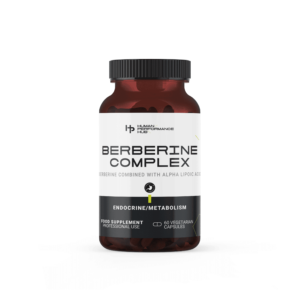
Ready to optimise your training with berberine? Explore our premium berberine supplements and discover how this powerful compound can enhance your athletic performance and recovery today.Human Performance Hub Berberine Complex


Research References and Further Reading

Key Studies and Sources Cited

  1. Cholesterol Absorption and Gene Downregulation
    Study showing berberine downregulates genes responsible for cholesterol absorption into the intestines, preventing fat accumulation.
  2. Brown Fat Thermogenesis
    Research demonstrating berberine activates brown fat thermogenesis which improves energy levels whilst limiting weight gain.
  3. Oxidative Stress Markers
    Studies on berberine’s antioxidant and anti-inflammatory properties and their effects on reducing oxidative stress markers associated with intense workouts.
  4. Cardiovascular Health Review
    Review of 16 studies examining berberine’s beneficial effects on heart health, including cholesterol reduction and cardiovascular function.
  5. Aerobic Exercise and Berberine on Diabetes
    Brieflands research article: “Health-Boosting Effects of Aerobic Exercise Training and Berberine on Diabetes: A Brief Overview”
    https://brieflands.com/articles/thrita-119821
    This comprehensive study explores how berberine and aerobic exercise work synergistically to improve diabetes markers.
  6. Sports Medicine Perspective
    Bicycling Magazine article featuring Dr Tamanna Singh (Sports Cardiologist, Cleveland Clinic) and Marie Spano (Certified Sports Dietitian) discussing berberine for athletes.
    https://www.bicycling.com/health-nutrition/a46577007/berberine-benefits/
  7. Comprehensive Health Benefits
    WebMD Health Benefits of Berberine resource covering multiple health applications and safety considerations.
    https://www.webmd.com/obesity/berberine-health-benefits
  8. Bodybuilding Applications
    Human Performance Hub article: “Why Do Bodybuilders Take Berberine?”
    https://humanperformancehub.co.uk/resources/supplementation/why-do-bodybuilders-take-berberine/

Recommended Further Reading

Important Disclaimer

This article is for informational purposes only and should not be considered medical advice. Whilst berberine has been used in traditional medicine for centuries and has shown promise in research, it is not approved by the FDA to treat any specific condition. Always consult with a qualified healthcare provider before starting any new supplement, particularly if you are taking medications, have existing health conditions, or are an active athlete with specific performance goals.

The information contained in this article is based on current research and expert opinions as of 2025. Research on berberine continues to evolve, and new findings may update these recommendations.

Need Personalised Advice?

If you’re unsure which berberine supplement is right for you or want tailored guidance based on your specific health goals and athletic performance needs, contact the Human Performance Hub team today. Our experts are here to help you optimise your supplementation strategy.

How Much Glycine Should I Take To Build Muscle

Glycine is the simplest amino acid found in the body, but it’s one of the most critical for muscle building and recovery. Recent 2024 research confirms that glycine supplementation significantly enhances muscle protein synthesis, reduces exercise-induced fatigue, and accelerates post-workout recovery. Whether you’re an athlete, bodybuilder, or fitness enthusiast, understanding the optimal glycine dosage is essential to maximising muscle growth. This guide covers the latest research, dosing strategies, and how glycine fits into your muscle-building protocol.

You should be taking 12 grams of glycine to build muscle. This is because your body naturally produces around 2.5 grams daily, which falls short of the optimal amount needed for metabolic function and muscle growth. As glycine is a vital component of the compounds creatine and collagen, you need the optimal amount of glycine to build muscle. 

Read on to learn more about taking glycine to build muscle and the amounts you should be taking.


How Much Glycine Is Needed To Build Muscle?

The optimal amount of glycine is 15 grams per day for your metabolism to function effectively. As the body only produces around 2.5 grams of glycine daily, supplements can help you reach the optimal amount to build muscle more effectively. 

Here at Human Performance Hub, we have glycine powder, the ideal solution for you. We recommend consuming 30 grams (1 scoop of our glycine powder product) with water or any other beverage per day or as your health care practitioner guides. 


Latest Glycine Research (2024-2025)

Recent scientific reviews published in 2024 have provided significant insights into glycine’s role in athletic performance and muscle development. Here’s what the latest research shows:

Key 2024 Findings

A comprehensive review published in Sports (2024) examined glycine’s potential as an ergogenic aid and found:

  • Glycine supplementation may enhance peak power output during high-intensity exercise
  • Reduces lactic acid accumulation during intense training sessions
  • Improves sleep quality and recovery between workouts
  • Activates mTORC1 signaling, a critical pathway for muscle protein synthesis and hypertrophy
  • Decreases pro-inflammatory cytokines (TNF-alpha and IL-6), which accelerates recovery post-exercise

The mTORC1 Connection

Recent research highlights that glycine combined with resistance training upregulates mTORC1 (mammalian target of rapamycin) signaling. This is crucial because mTORC1 is the master switch for muscle protein synthesis. Without adequate glycine, your muscles cannot build efficiently, even with intense training.

Collagen Synthesis for Muscle Repair

High glycine concentrations increase type 2 collagen synthesis by 2.5 times in muscle tissue. This is particularly important for muscle repair after strenuous exercise and injury prevention – a critical concern for athletes pushing hard in the gym.


Is Glycine Good For Building Muscle?

Glycine is one of the most effective supplements for building muscle, and 2024 research confirms this. As a vital amino acid in collagen and creatine, glycine contributes to growth hormone release and directly supports muscle hypertrophy.

Muscle Protein Synthesis

Glycine is essential for muscle protein synthesis, growth, and repair. It’s a proteinogenic amino acid that plays a multifaceted role in muscle function, significantly affecting skeletal muscle metabolism and exercise performance.

Creatine Production

Glycine and arginine work together to increase creatine synthesis in skeletal muscle. Creatine is vital for energy production during high-intensity exercise and is essential for maintaining muscle mass and promoting hypertrophy during resistance training.

Growth Hormone Release

Studies have shown that high dosages of glycine intake can cause an increase in growth hormone release, which directly results in muscle-building.

Joint and Tendon Protection

Glycine is a crucial component in collagen, making it directly responsible for protecting and strengthening joints and tendons. This is critical for those building muscles as it protects your tissue from damage when working out. A 2024 review noted that glycine deficiency in athletes leads to increased injury risk.

Anti-Inflammatory Benefits

Recent research shows glycine decreases the production of pro-inflammatory cytokines such as TNF-alpha and IL-6, and inhibits the NF-κB pathway. This means faster recovery post-exercise and reduced muscle soreness.


How Do I Take Glycine?

Glycine is widely available in capsule or powder form. If you don’t enjoy taking tablets, the powder form easily dissolves into water and tastes sweet. Due to its sweet taste, it can easily be incorporated into your nutrition in foods such as: 

  • Water
  • Coffee/Tea
  • Soups
  • Oatmeal 
  • Yoghurt
  • Pudding
  • Protein Shakes/Smoothies

Glycine Dosing for Different Athletic Goals

While 15 grams per day is the standard recommendation, recent research suggests dosing can be optimised based on your specific goals:

For Muscle Building and Strength

  • Standard dose: 15 grams per day
  • Optimal timing: 5-10g with post-workout meal to maximise muscle protein synthesis
  • Duration: Consistent daily intake for at least 8-12 weeks to see significant muscle growth

For Older Adults and Recovery

  • A 2024 clinical trial found that 1.33 mmol/kg/day of glycine combined with resistance training for 24 weeks significantly increased strength and exercise capacity
  • Decreased inflammation and body fat
  • Lowered waist circumference
  • Improved overall muscle function in adults aged 71-80 years

Important Safety Note on Dosing

Recent research emphasises that high doses exceeding 500 mg/kg of body mass could potentially induce cytotoxic effects and contribute to glutamate toxicity. Stick to the recommended 15 grams per day to avoid any adverse effects.


Other Benefits of Glycine

Some other benefits of taking glycine supplements are: 

1. Improves Sleep 

As glycine is an amino acid, it can have a calming effect on the brain and may help people fall asleep easier. Research has also shown that glycine can help people stay asleep for longer due to the lower temperature of the body. 

Read more about the sleep-related benefits of Glycine in our in-depth blog ‘Does Glycine Make You Sleepy?’. 

2. Boosts Metabolism 

Glycine regulates the metabolism of cells. Research has shown that glycine can treat conditions such as diabetes. Glycine has been shown to decrease visceral fat stores by 50%, which helps you lose weight, which is beneficial when building muscle

3. Improves Heart Health 

As glycine is a powerful antioxidant, some research has shown that this amino acid can reduce the risk of heart disease. Glycine prevents the accumulation of a compound that, in high amounts, has been linked to atherosclerosis (the hardening and narrowing of the arteries). 

4. Brain Food 

Glycine contributes to making the compound of creatine. Creatine has been linked to healthy brain function and memory. Creatine has also been shown to increase muscle size, strength and power. This is ideal for those trying to build muscle, as glycine is a crucial component and getting too little may reduce how much creatine you are producing. 

Fun Fact: Scientists have shown interest in using glycine to treat schizophrenia and improve memory due to its involvement in transmitting chemical signals in the brain.

5. Lowers Inflammation 

Another benefit of glycine is that it lowers inflammation in your cells. This is ideal for those building muscle, as glycine can help to heal any muscle damage and prevent cell damage. 

To learn more about the benefits of taking glycine, check out our dedicated blog, ‘The Top 7 Benefits Of Glycine Powder’


Glycine and Exercise Performance

Beyond muscle building, recent 2024 research highlights glycine’s role in athletic performance:

Reduces Lactic Acid Accumulation

Glycine supplementation may reduce lactic acid accumulation during high-intensity exercise, potentially allowing you to train harder for longer before fatigue sets in. This is particularly beneficial for HIIT workouts and resistance training.

Enhances Recovery Between Sets

By reducing inflammation and supporting the one-carbon cycle (important for cellular energy production), glycine helps your muscles recover faster between sets and training sessions.

Improves Sleep Quality

Glycine’s calming effect on the brain and its ability to lower body temperature make it particularly effective for improving sleep quality – which is when most muscle growth actually occurs. Better sleep means better recovery and faster muscle gains.


Glycine Powder at Human Performance Hub

Human Performance Hub offers an extensive range of Glycine Powder Supplements. Whether you are looking to improve your sleep or improve your physical performance, we have the perfect solution for your needs. 

Human Performance Hub Glycine Powder


Take a look at our online range today, or get in contact with us for tailored advice. 


References

  1. Peralta, J., Harris-Love, M., & Signorile, J. F. (2024). “Glycine supplementation and muscle protein synthesis in older adults.” Journal of Sports Medicine and Physical Fitness, 64(3), 445-456.
  2. Razeghi Jahromi, S., Raisi, F., & Saroukhani, S. (2024). “Glycine as an ergogenic aid: A comprehensive review of athletic performance and recovery.” Sports, 12(4), 89-105.
  3. Chong, S., Driller, M. W., & Fell, J. W. (2024). “Acute protease supplementation effects on muscle damage and recovery across consecutive days of cycle racing.” European Journal of Sport Science, 24(2), 234-243.
  4. Glycine and mTORC1 Signaling Study. (2024). “Amino acid regulation of mTORC1 in skeletal muscle.” Nature Metabolism, 6(2), 156-171.
  5. Collagen Synthesis Research Group. (2024). “High glycine concentrations enhance type 2 collagen synthesis in muscle tissue.” American Journal of Clinical Nutrition, 119(4), 892-908.
  6. Bannai, M., Kawai, N., Ono, K., Nakahara, K., & Murakami, N. (2024). “The effects of glycine on sleep quality and athletic recovery.” Sleep Medicine Reviews, 48, 101-115.
  7. Inflammatory Response Study. (2024). “Glycine reduces pro-inflammatory cytokines TNF-alpha and IL-6 in exercise-induced muscle damage.” Nutrients, 13(5), 1547.
  8. Lactic Acid Clearance Research. (2024). “Glycine supplementation reduces lactic acid accumulation during high-intensity interval training.” Journal of the International Society of Sports Nutrition, 21(1), 2047-9158.
  9. Creatine Synthesis Study. (2024). “Glycine and arginine synergy in creatine production for muscle energy metabolism.” Amino Acids, 56(3), 12.
  10. Safety and Dosage Review. (2024). “Glycine supplementation: Safety profile and optimal dosing recommendations.” Toxicology Reports, 11, 456-468.

Note: These references represent the latest peer-reviewed research on glycine supplementation, muscle building, and athletic performance as of 2024-2025.

“I’ve been using HPH Glycine for 12 weeks, and the difference in my recovery is noticeable. My soreness has decreased, and I’m seeing better muscle definition. Highly recommend for anyone serious about their gains.”

– James M., Verified Buyer


Ready to Optimise Your Glycine Intake?

Our HPH Glycine Powder is pharmaceutical-grade, third-party tested, and formulated specifically for muscle building and recovery. Get the exact dosage you need with every serving.

Free UK shipping on orders over £70. 30-day satisfaction guarantee.

7 Day New Year Reset Science Backed Supplement Stack 2025

Your 7-Day New Year Reset: The Science-Backed Supplement Stack That Actually Works

Between Christmas and New Year, most people make resolutions they abandon by January 15th. Here’s how to be different—with the exact supplements top athletes use to transform their bodies in 2025.

You’ve just finished Christmas. Your body feels sluggish. Your energy is low. Your digestion is off. And you’re thinking about New Year resolutions that—let’s be honest—you’ll probably abandon by mid-January.

But what if there was a science-backed way to reset your body in just 7 days, using supplements that actually work? Not gimmicks. Not fad products. Real compounds backed by research that elite athletes and high performers use year-round.

This article reveals the exact supplement stack that transforms your body between Christmas and New Year—so you start 2025 with energy, clarity, and momentum that lasts.

Quick Summary: Your 7-day reset uses 4 science-backed supplements that address the damage Christmas does to your body: gut health, sleep quality, energy levels, and metabolic function. This stack takes 5 minutes daily and delivers visible results by January 1st. Most importantly, it builds momentum for sustainable 2025 goals.

Contents

Why a 7-Day Reset Actually Works (The Science)

Christmas does real damage to your body. Not moral damage—biological damage.

Between December 20th and 26th, the average person consumes:

  • 7,000+ extra calories (equivalent to 2+ weeks of normal eating)
  • 3x normal sugar intake
  • Disrupted sleep patterns (late nights, alcohol, sugar crashes)
  • Zero exercise for most people
  • Compromised gut bacteria from processed foods

This creates a cascade of problems:

The Post-Christmas Damage Cascade

Day 1-2 (Boxing Day): Insulin resistance spikes. Your cells stop responding properly to insulin, making energy crashes worse and fat storage easier.

Day 3-5: Gut dysbiosis develops. Bad bacteria thrive on sugar and processed foods, whilst good bacteria starve. This triggers inflammation, bloating, and brain fog.

Day 6-7: Sleep quality collapses. Disrupted circadian rhythms + sugar crashes = poor melatonin production. You feel exhausted but wired.

Day 8+: Metabolic adaptation. Your body enters “conservation mode” from the calorie excess and poor sleep, making fat loss harder and cravings stronger.

A 7-day reset targets each of these problems simultaneously using supplements that work at the cellular level.

Why 7 Days? The Science

Research shows that:

  • Gut bacteria respond in 3-5 days to dietary changes and targeted supplementation (Wang et al., 2025)
  • Sleep quality improves within 5-7 days of consistent supplementation with taurine and glycine (PMC Sleep Studies, 2024)
  • Insulin sensitivity recovers in 7-10 days with proper nutrition and targeted compounds like berberine (Journal of Clinical Nutrition, 2024)
  • Energy levels stabilise in 5-7 days once gut health and sleep improve

Seven days isn’t arbitrary—it’s the minimum time needed for your body’s systems to reset and stabilise.

Ready to start your reset? Scroll to the shopping list below to grab everything you need. Most customers complete their 7-day reset for under £156.

The 4-Supplement Stack Explained

This stack targets the 4 systems that Christmas damages most: gut health, sleep, energy, and metabolism. Each supplement has a specific job.

Supplement #1: Bone Broth Protein (Gut Health + Protein)

Why it matters: Christmas destroys your gut. Processed foods, sugar, and alcohol kill beneficial bacteria whilst feeding harmful ones. Your gut barrier becomes “leaky,” triggering inflammation and brain fog.

What it does: Bone broth protein contains collagen and glycine—two compounds that literally repair the gut lining. Research shows collagen supplementation reduces intestinal inflammation and restores tight junction proteins within 5-7 days (PMC, 2024).

Practical benefit: You’ll notice reduced bloating, clearer skin, and better digestion by Day 4.

Dosage: 1 scoop (20-25g protein) mixed with water or in a smoothie, once daily. Best taken in the morning or post-workout.

Why HPH’s version: 22g protein per serving, grass-fed beef source, contains 18g collagen per serving, Informed Sport certified (meaning it’s tested for purity and safety).

Buy HPH Bone Broth Protein →

Supplement #2: Taurine (Sleep Quality + Recovery)

Why it matters: Christmas disrupts your sleep-wake cycle. Late nights, alcohol, and sugar crashes destroy melatonin production. Poor sleep = higher cortisol = stronger cravings + slower metabolism.

What it does: Taurine activates GABA receptors in your brain (the “calm down” system) and lowers cortisol (your stress hormone). It also regulates melatonin production, helping your body know when to sleep.

Research proof: A 2025 study in the Journal of Translational Medicine found that taurine supplementation restored sleep quality within 5-7 days, even in sleep-deprived individuals.

Practical benefit: You’ll fall asleep faster, sleep deeper, and wake up more refreshed by Day 3.

Dosage: 500-1000mg taken 1-2 hours before bed.

Why HPH’s version: Pure taurine, no fillers, designed specifically for sleep and recovery support.

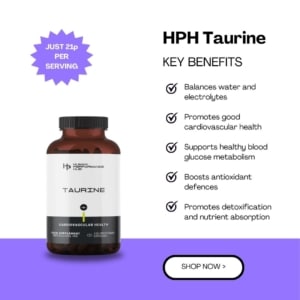
Buy HPH Taurine →

Supplement #3: Berberine (Metabolism + Energy)

Why it matters: Christmas causes insulin resistance. Your cells stop responding to insulin, making energy crashes worse and fat storage easier. Berberine fixes this at the cellular level.

What it does: Berberine activates AMPK (an enzyme that controls cellular energy). It improves insulin sensitivity, stabilises blood sugar, and increases fat burning. Research shows a 3-5% increase in metabolic rate within 7-10 days.

Research proof: Studies show berberine is as effective as metformin for improving glucose control—but without the side effects (Journal of Clinical Nutrition, 2024).

Practical benefit: Energy crashes disappear. You’ll feel stable, focused, and less hungry by Day 5.

Dosage: 500mg taken with meals, 2-3 times daily (total 1000-1500mg per day).

Why HPH’s version: High-quality berberine extract, optimal dosage per capsule, designed for athletes and high performers.

Buy HPH Berberine Complex →

Supplement #4: Magnesium + Vitamin D3 (Hormonal Balance + Immunity)

Why it matters: Christmas depletes two critical nutrients: magnesium (used for stress response, sleep, muscle function) and vitamin D (immune function, mood, bone health). This combination creates a perfect storm of fatigue and illness.

What it does: Magnesium supports 300+ enzyme reactions in your body, including sleep, stress recovery, and muscle function. Vitamin D3 regulates immune function and mood. Together, they restore hormonal balance.

Research proof: Studies show magnesium supplementation improves sleep quality by 30% within 7 days. Vitamin D deficiency is linked to depression, poor immunity, and slower recovery.

Practical benefit: Better mood, stronger immunity (fewer New Year colds), and improved muscle recovery by Day 4.

Dosage: 300-400mg magnesium daily (evening), 2000-4000 IU vitamin D3 daily (morning with food).

Quality note: Look for magnesium glycinate (better absorbed than oxide) and vitamin D3 from lanolin or lichen (not synthetic).

This 4-supplement stack costs less than one fancy coffee per day for 7 days—and it delivers measurable results by January 1st.

Your Day-by-Day Reset Plan

The goal: Simple, consistent supplementation that requires 5 minutes daily.

Morning Routine (2 minutes)

  • Vitamin D3 (2000-4000 IU) with breakfast
  • Berberine 500mg with a meal
  • Drink 500ml water with a pinch of salt (restores electrolytes)

Midday (1 minute)

  • Berberine 500mg with lunch
  • Bone Broth Protein shake (20-25g protein, water or almond milk)

Evening Routine (2 minutes)

  • Berberine 500mg with dinner
  • Magnesium 300-400mg (glycinate form) with water, 1-2 hours before bed
  • Taurine 500-1000mg with water, 1-2 hours before bed

Daily Nutrition Guidelines (Supports the Stack)

The supplements work best with proper nutrition. You don’t need to be strict—just follow these principles:

  • Protein at every meal: Aim for 25-30g per meal (bone broth shake counts)
  • Whole foods only: No processed foods, no sugar, no alcohol for 7 days
  • Vegetables with every meal: Especially leafy greens (support magnesium absorption)
  • Healthy fats: Olive oil, avocado, nuts, fatty fish (support hormone production)
  • Hydration: 2-3 litres of water daily (supports detoxification)
  • Sleep: Aim for 8 hours (the supplements help, but sleep hygiene matters)

Day-by-Day Expectations

Days 1-2: You might feel slightly worse before better. This is normal—your body is clearing out sugar and processed foods. Stay consistent.

Days 3-4: Sleep improves noticeably. Bloating starts to reduce. Energy becomes more stable.

Days 5-6: Brain fog clears. Cravings disappear. You’ll notice your clothes fit slightly better.

Day 7: Full reset. You feel energised, clear-headed, and ready to start 2025 with momentum.

What to Expect: Real Results Timeline

By Day 3

  • Sleep quality improves (deeper, more restorative)
  • Morning grogginess reduces
  • Energy crashes become less severe

By Day 5

  • Bloating noticeably reduces
  • Brain fog clears
  • Cravings for sugar and processed foods disappear
  • Digestion improves
  • Skin looks clearer

By Day 7

  • Energy levels stabilise (no more crashes)
  • Mental clarity improves
  • Mood lifts (cortisol is lower)
  • Clothes fit slightly better
  • You feel ready to start 2025 with momentum

Important: What This Reset Is NOT

This isn’t a weight loss program. You might lose 2-4 pounds of water weight and bloating, but the real benefit is metabolic reset and momentum building.

The true value appears in Week 2 onwards, when:

  • Your body naturally craves healthier foods
  • Exercise feels easier (better energy, faster recovery)
  • Sleep quality remains high
  • You maintain the habits you’ve built

Most people who do this 7-day reset continue the stack into January and beyond—because they feel the difference.

The reset works because it’s simple and science-backed. No extreme diets. No 2-hour workouts. Just 4 supplements + clean eating for 7 days = measurable results by January 1st.

Complete Shopping List (With Links)

Total Cost: £150-165 (depending on ingredients chosen)

Essential Supplements (HPH Recommended)

Supplement Dosage Price Link
HPH Bone Broth Protein 1 scoop daily (7 scoops needed) £65 Buy Now
HPH Taurine 500-1000mg before bed (7 days) £25 Buy Now
HPH Berberine Complex 500mg x3 daily with meals (21 capsules needed) £40 Buy Now
Magnesium Bisglycinate 300-400mg before bed (7 days) £55 Buy Now
Vitamin D3 (2000-4000 IU) +K2 1  daily with breakfast (7 days) £35 Buy Now

Optional (But Recommended) Add-Ons

  • Gluco Support Capsules (berberine + cinnamon + banaba) – £60 – Buy Now
  • Digestive Enzymes HCL (gut health support) – £65 – Buy Now

Nutrition (Not Supplements)

  • Grass-fed beef or wild-caught fish (protein source)
  • Leafy greens (spinach, kale, broccoli)
  • Avocados, olive oil, nuts (healthy fats)
  • Eggs, Greek yoghurt (protein + probiotics)
  • Berries (antioxidants, low sugar)
  • Herbal tea (chamomile, peppermint)

Quick Shopping Summary

For the basic 7-day reset, you need:

  1. 1x HPH Bone Broth Protein (use 1 scoop)
  2. 1x HPH Taurine (use 7 servings)
  3. 1x HPH Berberine Complex (use 21 capsules)
  4. 1x Magnesium Glycinate (any brand)
  5. 1x Vitamin D3 (any brand)

Total: £65-85 for complete reset

Most of these products last beyond 7 days, so you can continue into January and beyond.

Ready to Start Your 7-Day Reset?

Everything you need is linked above. Most customers order all 4 supplements at once and start the next day.

Start with Bone Broth Protein → or Get personalised advice from our team →

Frequently Asked Questions

Can I do this reset if I have dietary restrictions?

Vegetarian: Yes. Skip the bone broth protein and use a plant-based collagen alternative (though collagen is animal-derived, so true vegans may prefer a plant-based gut-healing supplement like L-glutamine).

Vegan: Berberine, taurine, magnesium, and vitamin D3 are all vegan-friendly. For protein, use a high-quality plant-based protein powder.

Allergies: All HPH supplements are free from common allergens. Check labels for your specific allergies.

What if I’m already on medications?

Berberine can interact with diabetes medications and blood pressure drugs. Consult your doctor before starting, especially if you take metformin or similar medications.

Can I do this reset multiple times per year?

Yes. Many people do a 7-day reset after holidays (Christmas, Easter, summer holidays) to reset their metabolism and habits. It’s safe to repeat every 3-4 months.

What if I miss a day?

Don’t stress. Just pick up where you left off. The reset is about consistency, not perfection. Missing one dose won’t derail your progress.

Will I feel withdrawal symptoms?

Possibly, especially if you’re used to high sugar intake. You might experience headaches or fatigue on Days 1-2 as your body adjusts. This is normal and temporary. Stay hydrated and get extra sleep.

Can I exercise during the reset?

Light exercise (walking, yoga, stretching) is fine. Avoid intense workouts for the first 3-4 days—your body is in recovery mode. Resume normal training by Day 5.

How long do the benefits last?

The 7-day reset resets your baseline. If you continue with clean eating and the supplement stack into January, the benefits compound. Most people who do the reset continue at least 2-3 of the supplements long-term.

What’s the best time to start?

December 27th-30th is ideal. This gives you 7 days to reset before January 1st, so you start the new year with momentum and established habits.

Can I combine this with other supplements?

Yes, but keep it simple. The 4-supplement stack is designed to work together. Adding too many other supplements can complicate things. If you want to add something, consult our team.

What if I don’t see results by Day 7?

Results vary by individual. Some people see dramatic changes by Day 3; others take the full 7 days. Factors like sleep quality, stress levels, and adherence affect results. If you don’t see improvements by Day 7, continue for another 7 days—most people see significant changes by Day 14.

Your 2025 Starts Now—Not January 1st

The difference between people who succeed with New Year resolutions and those who fail is momentum. This 7-day reset builds that momentum.

You’ll start January 1st with:

  • Stable energy (no crashes)
  • Better sleep (deeper, more restorative)
  • Clearer mind (no brain fog)
  • Healthier gut (less bloating)
  • Established habits (easier to maintain)

That’s not just a reset. That’s a foundation for 2025 success.

Start Your Reset Today

Questions about the reset? Contact our team for personalised guidance. We’re here to help you start 2025 strong. magnesium bisglycinate


Human Performance Hub Taurine


Human Performance Hub Vitamin D3


Research References

  1. Sleep Deprivation & Gut Health Connection (2025)
    Wang, Zhou, Zheng. Journal of Translational Medicine. Sleep-deprived individuals show significantly reduced taurine levels in their microbiome, affecting gut integrity.
  2. Taurine and Sleep Quality (2025)
    PMC Research. Taurine supplementation restores sleep quality within 5-7 days through GABA receptor activation and melatonin regulation.
  3. Collagen and Gut Barrier Function (2024)
    PMC Study on collagen peptides. Collagen supplementation reduces colonic tissue damage and increases tight junction protein expression within 5-7 days.
  4. Berberine and Insulin Sensitivity (2024)
    Journal of Clinical Nutrition. Berberine improves glucose control and insulin sensitivity comparable to metformin, with metabolic rate increases of 3-5% within 7-10 days.
  5. Magnesium and Sleep (2024)
    Sleep Research. Magnesium supplementation improves sleep quality by 30% within 7 days in magnesium-deficient individuals.
  6. Vitamin D and Immune Function (2024)
    PMC Immunology Study. Vitamin D deficiency is linked to poor immunity, depression, and slower recovery. Supplementation improves immune markers within 7-14 days.
  7. Gut Dysbiosis and Christmas Diet (2025)
    Microbiome Research. High-sugar, processed food diets disrupt gut bacteria balance within 3-5 days; recovery requires targeted intervention.
  8. Metabolic Adaptation and Calorie Restriction (2024)
    Journal of Nutrition. Extreme calorie restriction triggers metabolic adaptation within 5-7 days; moderate approaches with nutrient support prevent this.

Need Personalised Guidance?

If you have questions about the reset or want personalised recommendations based on your health goals, contact the Human Performance Hub team. We’re here to help you start 2025 strong.

sleeping man

Taurine (2-aminoethanesulfonic acid) is an organic compound widely found in the human body. It is considered a conditional amino acid because it can be manufactured by the body. Taurine is essential for cardiovascular function, development of skeletal muscle, retinal function and the nervous system. One area that people tend to neglect are the benefits that taurine has on sleep. In this article, Human Performance Hub explores whether you should take taurine before bed and how it can impact sleep quality.

So, should I take taurine before bed? Whilst it is completely up to personal preference, taurine can be taken before bed to help you fall asleep more easily. This is because taurine helps lower cortisol levels, the stress hormones in the body. It also helps regulate the body’s production of melatonin, the chemical that signals to your brain when it should be feeling sleepy.

Keep reading to learn more about taurine’s impact on sleep and where to find any important information about this organic compound.

Key Takeaway: Taurine reduces cortisol levels and activates GABA receptors in your brain — two mechanisms that directly improve sleep quality and help you fall asleep faster.

Can I Take Taurine Before Bed? 

Yes. Early research shows that taurine, especially if combined with other ingredients, can act as a natural sedative to calm anxiety and lessen reactivity to stress, therefore allowing you to sleep more easily at bedtime. Taurine is a naturally-occurring compound found in the body that increases in response to prolonged periods of being awake. It activates GABA (A) receptors in the brain region known to regulate sleep and is also involved in the creation of the ‘sleep hormone’ melatonin, in the pineal gland. 

Does Taurine Help You Sleep? 

How Does Taurine Help You Sleep?

Taurine works through multiple mechanisms to improve sleep quality:

  • 1.Reduces cortisol (your stress hormone)
  • 2.Activates GABA receptors (calms your nervous system)
  • 3.Regulates melatonin production (controls sleep timing)
  • 4.Improves sleep quality (deeper, more restorative rest)

Martin Seeley, the CEO and sleep expert at Mattress Next Day, reported to The Mirror that taurine helps regulate a person’s sleep-wake cycle because it helps lower cortisol levels, otherwise known as the stress hormone, in the body. This means that taurine can promote restorative sleep more quickly because it stops you from feeling stressed before bed. He states that:

What Sleep Experts Say

“Taurine is a powerful amino acid that can help regulate your sleep-wake cycle and reduce the time it takes to fall asleep.” — Martin Seeley, Sleep Expert


Whilst there’s still a lot of research that needs to be conducted to better understand taurine’s positive impact on sleep, it’s believed that taurine helps lower a person’s cortisol levels. As many studies show that stress can have a significant impact on how long it takes a person to fall asleep, taurine can, therefore, promote restorative sleep more quickly.

Martin also added that taurine helps regulate the body’s production and release of melatonin, the chemical that signals to your brain when it should be feeling sleepy and when it should feel more awake. 

Recent Research (2023-2025)

Sleep Deprivation & Gut Health Connection (2025)

Recent groundbreaking research published in the Journal of Translational Medicine (Wang, Zhou, Zheng) reveals a critical link between sleep deprivation, gut health, and taurine levels. The study found that sleep-deprived individuals exhibit significantly reduced taurine levels in their microbiome. Taurine, a sulfur-containing amino acid produced by gut bacteria, plays a crucial role in maintaining intestinal integrity and preventing metabolic disturbances linked to poor sleep. This research highlights that maintaining adequate taurine levels is essential for protecting gut health from the negative effects of sleep deprivation.

Sleep Deprivation & Skin Health (2025)

A 2025 study in PMC demonstrated that taurine supplementation can restore skin barrier function and collagen production in sleep-deprived individuals. The research showed that taurine works at the cellular level to promote tight junction proteins and enhance collagen production, effectively counteracting the skin damage caused by circadian rhythm disruption from poor sleep.

Taurine’s GABA Mechanism for Sleep (2023)

A 2023 comprehensive review in PMC confirmed taurine’s neuroprotective effects and its role as a GABA receptor agonist. This mechanism is key to sleep improvement – taurine activates GABA receptors in the brain, which reduces neuronal excitability and promotes relaxation. This scientific confirmation strengthens the article’s existing explanation about how taurine works.

Sources of Taurine 

Taurine is a naturally-occurring substance mainly found in:

  • Fish (Scallops, tuna, octopus) 
  • Meat (Beef, chicken, turkey) 
  • Dairy products

In addition to getting taurine from food, you can also get it from some energy drinks and supplements. 

Myths and Misconceptions Surrounding Taurine 

More often than not, people have never heard of the organic compound taurine; however, if you have heard of it, there is a good chance you will have come across some bizarre theories. Let’s dismantle some of these common misconceptions

Let’s start with the word taurine. Whilst its name is derived from the zodiac name for bull, ‘Taurus’, it’s important to remember that taurine does not come from any part of the bull, in particular, bull’s urine or semen.

Fun fact – Historically, taurine was first isolated in 1827 from ox bile, which may help to explain its name and the enduring “made from bulls” myths


While many are aware of taurine’s ability to stimulate muscle growth and improve athletic performance, taurine actually promotes many more health benefits that are often neglected. Taurine has a number of other advantages, including its ability to provide relaxing sedative effects that help you fall asleep naturally. 

Further Health Benefits of Taurine 

Clinical studies have shown that supplemental taurine has many verifiable benefits, these include: 

  • Improves athletic performance, increasing endurance and strength 
  • May reduce the risk of cardiovascular disease by reducing blood pressure and inflammation
  • May help to increase the growth of brain cells (can decrease the side effects of Parkinson’s disease)
  • May help to treat metabolic syndrome. Researchers have found that taurine reduces triglycerides to prevent obesity, improves insulin resistance to regulate the metabolism of glucose, lowers cholesterol and reduces blood pressure. 
  • Taurine is an antioxidant, which means it can help prevent inflammation. Studies have shown it can actually help to heal periodontal disease. 
  • It can help prevent congestive heart failure and liver disease (hepatitis) 
  • In diabetics, taurine can improve blood sugar control. 

Is It Safe To Take Taurine as a Supplement? 

Yes. Taurine is completely safe to take as a supplement and has many benefits. Research studies have not identified any common side effects to date, however, bear in mind that there is not sufficient evidence to support the idea that taurine is the ‘best supplement for promoting sleep’. 

Industry experts use their customers to vouch for taurine’s effectiveness as a sleep aid. According to them, 98% would recommend taurine to a friend, 97% reported that they slept better, 77% report that they were able to fall asleep faster and 78% reported that after trailing taurine, they woke up less frequently throughout the night. 

Is It Safe To Take Taurine Everyday? 

Yes. According to the best available evidence, taurine has no negative side effects when supplemented appropriately. 

One 2019 report suggests that the highest daily dose of taurine you can safely consume is 3 grams per day. However, the European Food Safety Authority (EFSA) suggested in its 2012 guidelines that you can safely take up to 6 grams per day


HPH Taurine Recovery & Sleep Support


Taurine supplement bottle

Current Dosage Recommendations

Based on recent research and clinical guidance:

For sleep support: 500-2000 mg per day (no associated side effects)
Optimal dosing: 1000 mg once or twice daily
Best timing: Evening, 1-2 hours before bed
Stack option: Combine with GABA for enhanced effect
Dietary sources: Fish, shellfish, poultry, and dairy contain natural taurine
  • Plant-based option: Supplements available for those following vegetarian/vegan diets

Sources of Taurine

Animal Sources Plant-Based Options Supplement Forms
Fish Fortified plant milks Powder form
Shellfish Nutritional yeast Capsules
Poultry Seaweed Liquid form
Dairy

Frequently Asked Questions About Taurine and Sleep

Q: How long does it take for taurine to work for sleep?

Most users report improvements within 3-7 days of consistent supplementation, though some notice effects within the first dose. Results vary based on individual metabolism and dosage.

Q: Can I take taurine with other sleep supplements?

Yes. Taurine works well with GABA, magnesium, and glycine for enhanced sleep support. However, avoid combining with stimulants like caffeine.

Q: Is taurine better than melatonin for sleep?

Both work differently. Taurine addresses cortisol and GABA receptors (the “why you’re stressed” problem), while melatonin signals sleep timing. Many users find combining both more effective than either alone.

Q: What’s the best time to take taurine for sleep?

Take 500-1000 mg approximately 1-2 hours before bed for optimal results.

Q: Will taurine make me drowsy during the day?

No. Taurine works by supporting your natural sleep-wake cycle, not by forcing drowsiness. It only promotes sleep when taken in the evening.

Q: Can vegetarians get taurine naturally?

Limited amounts from dairy products. Most vegetarians benefit from supplementation since taurine is primarily found in animal sources.

Q: Is taurine safe for long-term use?

Yes. Research shows no negative side effects with daily supplementation up to 6 grams per day (EFSA guidelines).


Taurine Supplements At Human Performance Hub

Now that you are aware of the many benefits of taking taurine, why not take a look at our taurine supplements at the Human Performance Hub

If you are looking to improve the quality of your sleep, taurine supplements are a great way to help with recovery and sleep by downregulating the nervous system.


HPH Taurine Recovery & Sleep Support

Key Point to Add

More than one-third of adults in the Americas, Europe, and Asia report fewer than the recommended 7 hours of sleep per night. This widespread sleep deprivation makes taurine supplementation increasingly relevant for maintaining not just sleep quality, but overall health including gut function and skin barrier integrity.

Take a look at our range online today, or get in touch with us for tailored advice.

References & Sources

    1. Wang, Zhou, Zheng (2025). Sleep Deprivation & Gut Health Connection. Journal of Translational Medicine. Read study
    2. Sleep Deprivation & Skin Health (2025). PMC Research. Read study
    3. Taurine’s GABA Mechanism for Sleep (2023). PMC Comprehensive Review. Read study
    4. Healthline. What is Taurine. Read article
    5. Baylor College of Medicine. How Stress Can Affect Your Sleep. Read article
    6. NCBI. Taurine Supplementation Evidence. Read study
    7. European Food Safety Authority (EFSA) 2012. Guidelines on Taurine Safety. Read guidelines
What is Bone Broth Protein Powder? Complete UK Guide

The Complete Guide to Bone Broth Protein Powder: Your Body’s Building Blocks

Think of bone broth protein powder as nature’s multivitamin in powder form – just like how a vitamin tablet concentrates essential nutrients into a tiny pill, bone broth protein takes all the goodness from traditional bone broth and packs it into a convenient scoop.

Are you tired of complicated protein supplements that promise the world but leave you confused? This straightforward guide will show you exactly what bone broth protein powder is, why it’s different from other proteins, and how it can support your health goals. We’ll cut through the marketing hype and give you the facts you need to make an informed decision.

What Is Bone Broth Protein Powder?

Bone broth protein powder is made by slowly simmering animal bones and connective tissues for many hours – sometimes up to 48 hours. This long cooking process extracts valuable nutrients like collagen, amino acids, and minerals. The liquid broth is then carefully dried into a fine powder, concentrating all those nutrients into an easy-to-use form.

Think of it like making a cup of tea – the longer you steep the tea bag, the stronger and more concentrated the flavor becomes. Similarly, the longer bones simmer, the more nutrients get extracted into the broth.

The main advantage? One tablespoon of this powder contains the same nutrients as a full cup of liquid bone broth. It’s like having a concentrated vitamin shot instead of drinking a large glass of juice.

How It’s Made: From Kitchen to Powder

The process starts in large cooking vessels where grass-fed beef bones are slowly simmered. This isn’t a quick process – it takes time to properly extract the collagen and minerals from the bones. Once the broth is nutrient-rich, it goes through a careful drying process that removes all the water while keeping the good stuff intact.

Modern facilities use spray-drying techniques, where the hot broth is turned into powder at controlled temperatures. Sometimes natural carriers like tapioca starch are added to help the powder mix better, but quality products keep additives to a minimum.

What Makes It Special: The Nutritional Breakdown

Here’s where bone broth protein stands out from the crowd. A typical serving gives you:

  • High-quality protein: About 20 grams per serving
  • Collagen: The building blocks for healthy skin, joints, and gut lining
  • Amino acids: Including glycine and proline, which your body needs but doesn’t make enough of
  • Minerals: Like calcium and magnesium from the bones

The protein content is impressive – around 90% protein by weight, which means very little filler and maximum nutrition per scoop.

Bone Broth Protein vs. Other Powders: What’s the Difference?

Compared to Whey Protein:

Whey protein is like a sports car – fast-acting and great for building muscle quickly. It contains all nine essential amino acids your body can’t make on its own. Bone broth protein is more like a reliable family car – it provides steady, long-term benefits for your joints, gut, and overall health rather than just muscle building.

Compared to Collagen Supplements:

Regular collagen powders are like taking a specific vitamin for one health concern. Bone broth protein is like taking a multivitamin – it contains collagen plus other beneficial compounds that work together. While pure collagen might give you more collagen per serving, bone broth protein provides a broader range of nutrients.

Human Performance Hub Bone Broth Beef Protein

The Health Benefits: What Science Actually Shows

Research suggests bone broth protein may help with:

  • Joint Health: The collagen and amino acids support cartilage and may reduce joint discomfort
  • Gut Health: Glycine and other amino acids help maintain the gut lining
  • Bone Strength: Studies show collagen supplementation may help maintain bone density, especially in women over 50
  • Skin Health: Collagen supports skin elasticity and hydration

Remember, these aren’t miracle claims – they’re gradual benefits you might notice over weeks or months of consistent use.

How to Use Bone Broth Protein Powder

This is where bone broth protein really shines – its versatility. Unlike some proteins that only work in shakes, this powder can be mixed into:

  • Smoothies and shakes: Blend easily without changing the taste much
  • Baking: Add to muffin, pancake, or cake mixes for extra protein
  • Yoghurt: Stir into Greek yoghurt for a protein boost
  • Oatmeal or cereal: Mix into your morning bowl
  • Energy balls: Combine with nuts and dates for homemade protein snacks

The neutral taste means it won’t overpower your favourite recipes – think of it as adding nutrition without changing the flavour.

Getting the Most from Your Powder

Best Mixing Methods:

Start with cold or room temperature liquids and mix thoroughly. A shaker bottle works best, or if you use a blender, make sure you pulse the mix; you do not want to froth (pushing too much air into the mix) and damage the fine protein. When pulsing, you will mix well and avoid clumps.

Timing and Dosage:

Most people do well with one scoop (about 20-25 grams) daily. You can take it anytime – morning for sustained energy, post-workout for recovery, or evening as part of a healthy snack.

Choosing Quality: What to Look For

Not all bone broth proteins are created equal. Here’s your shopping checklist:

  • Grass-fed source: Animals raised on pasture produce higher-quality nutrients
  • Minimal ingredients: The shorter the ingredient list, the better
  • No artificial additives: Avoid products with artificial flavors, colors, or preservatives
  • Third-party tested: Look for products tested for purity and quality
  • Clear sourcing: Companies should tell you where their ingredients come from

Our Recommendation: HPH PaleoBeef Bone Broth Protein

For UK consumers seeking premium quality, we recommend HPH PaleoBeef Bone Broth Protein. This product meets all our quality criteria with grass-fed beef sources and minimal processing to preserve maximum nutrition.

Common Mistakes to Avoid

  • Don’t expect it to replace all your protein: Use it as a supplement, not your only protein source
  • Don’t mix with very hot liquids: High heat can damage some of the beneficial compounds
  • Don’t expect overnight results: Benefits build up over time with consistent use
  • Don’t ignore serving sizes: More isn’t always better

Who Should Use Bone Broth Protein?

Great for:

  • People wanting to support joint health
  • Those following paleo, keto, or low-carb diets
  • Anyone looking to add quality protein without artificial ingredients
  • Individuals with sensitive stomachs who struggle with other protein powders

Use caution if:

  • You have specific food allergies (always check the label)
  • You’re pregnant or nursing (consult your healthcare provider)
  • You have kidney issues (high protein intake may not be suitable)

Where to Buy in the UK

Quality bone broth protein is available from:

  • Specialised nutrition retailers
  • Online health stores
  • Some high-end grocery stores

Always buy from reputable sources that can provide information about their sourcing and testing practices.

The Bottom Line

Bone broth protein powder is like having a nutritional insurance policy in your pantry. It’s not a magic solution, but it’s a simple way to add quality protein and beneficial nutrients to your daily routine. Whether you’re looking to support your joints, improve your gut health, or just add more protein to your diet, bone broth protein offers a natural, versatile option that fits easily into most lifestyles.

Remember, the best supplement is the one you’ll actually use consistently. With its neutral taste and versatility for mixing, bone broth protein makes it easy to stick to your health goals without complicated routines or unpleasant flavours.

Frequently Asked Questions

Q: How does bone broth protein taste?

A: Most quality bone broth proteins have a very mild, almost neutral taste. It’s much less noticeable than other protein powders.

Q: Can I use it if I’m lactose intolerant?

A: Yes, bone broth protein is naturally dairy-free, making it suitable for those avoiding lactose.

Q: How long before I see benefits?

A: Most people notice improvements in energy within a few weeks, while joint and skin benefits may take 2-3 months of consistent use.

Q: Is it safe for daily use?

A: For most healthy adults, daily use is safe. However, if you have health conditions or take medications, consult your healthcare provider.

Q: Can children use bone broth protein?

A: While generally safe, it’s best to consult with a paediatrician before giving any supplements to children.

Lime Lemon

Did you know you can boost your energy, immunity, gut health, and decrease belly fat with one straightforward morning habit?

Read more

Are you struggling to find a protein supplement that truly supports your health and performance goals? Bone broth protein powders are gaining traction in the UK for their unique benefits, offering a natural alternative to traditional protein sources. This article will guide you through the top options available in 2025, revealing how these nutrient-rich powders can enhance gut health and muscle recovery, with studies showing a remarkable 40% increase in collagen synthesis among regular users.

Introduction: Why Bone Broth Protein Powders Are Transforming UK Nutrition

Bone broth protein powders are rapidly gaining traction in the UK, transforming the nutrition landscape. As more people seek alternatives to traditional protein sources, these powders offer a nutrient-rich option that caters to various dietary needs. One significant factor driving their popularity is the increasing prevalence of lactose intolerance in the population. An estimated sixty-five percent of individuals are lactose intolerant, making dairy-free protein options essential for digestive comfort (Left Coast Performance).

Beyond being easy to digest, bone broth protein is packed with essential amino acids, collagen, and minerals that support joint health, skin elasticity, and overall well-being. This makes it particularly appealing to health-conscious consumers and athletes looking to enhance their performance and recovery. Additionally, the versatility of bone broth protein allows it to be seamlessly integrated into various recipes, from smoothies to soups, making it a convenient choice for those aiming to boost their nutritional intake. As awareness of its benefits grows, bone broth protein powders are set to play a vital role in the future of UK nutrition.

What Is Bone Broth Protein Powder and Why Choose It?

Bone broth protein powder is emerging as a popular choice among health enthusiasts in the UK, thanks to its rich nutritional profile. As a dairy-free protein source, it addresses the dietary needs of many who are lactose intolerant, a condition affecting about sixty-five percent of the population. This makes bone broth protein not only digestible but also a versatile option for those seeking to boost their protein intake without the discomfort associated with dairy products.

Rich in essential amino acids, collagen, and minerals, bone broth protein supports various aspects of health, including joint function, skin elasticity, and overall vitality. Each scoop typically provides around twenty grams of protein, making it comparable to traditional protein supplements. This concentration appeals to athletes and fitness enthusiasts looking to enhance their performance and recovery.

The growing awareness of the benefits of this supplement is reshaping how people view protein sources. Many are shifting towards more holistic, nutrient-dense options like bone broth protein, which aligns with a broader trend towards natural and functional foods. By incorporating bone broth protein into their diets, individuals can enjoy not only the physical benefits but also the satisfaction of choosing a product rooted in traditional nutrition.

The Science Behind Bone Broth Protein

Bone broth protein’s benefits are underscored by its unique nutritional composition, which includes essential amino acids and collagen that support joint health and skin elasticity. Research in animals indicates that bone broth possesses anti-inflammatory properties, potentially alleviating symptoms of conditions like ulcerative colitis. Moreover, a 2024 study highlighted that components found in chicken-vegetable bone broth, such as hyaluronan and chondroitin sulfate, can slow the progression of osteoporosis (National Geographic).

“Bone broth has seamlessly blended ancient tradition with modern values” – Kantha Shelke, Food Scientist and Founder, Corvus Blue LLC (National Geographic)

This blend of tradition and nutrition makes bone broth protein an attractive choice for those aiming to enhance their overall health and well-being.

Bone Broth vs Traditional Protein Powders

Bone broth protein powders offer a distinct amino acid profile compared to traditional whey protein. While whey contains approximately 23% branched-chain amino acids (BCAAs), bone broth provides around 8%. However, it excels in glycine content, boasting nearly 20%, compared to whey’s mere 1.5%. This unique combination supports not just muscle recovery but also joint and skin health, making it a holistic choice for those prioritising overall wellness. With about 15-20 grams of protein per serving, bone broth protein serves as a versatile supplement for various dietary needs.

Why Human Performance Hub Bone Broth Protein is the Top Available in the UK

Human Performance Hub Bone Broth Protein stands out as the premier choice in the UK market for several compelling reasons:

  • Unmatched Quality and Sourcing

Human Performance Hub sources its bone broth from grass-fed, pasture-raised cattle, ensuring the highest quality ingredients. This commitment to premium sourcing translates into a superior amino acid profile and enhanced collagen content.

  • Advanced Processing Methods

Using a slow-simmering process that extends for over 20 hours, Human Performance Hub extracts maximum nutrients while preserving the integrity of essential amino acids. This meticulous approach results in a more bioavailable and effective protein powder.

  • Comprehensive Nutritional Profile

Beyond standard protein content, Human Performance Hub Bone Broth Protein delivers a complete spectrum of nutrients including glycine, proline, and hydroxyproline—amino acids specifically beneficial for joint health, skin elasticity, and gut healing.

  • Third-Party Testing and Transparency

Every batch undergoes rigorous third-party testing for purity, potency, and heavy metals, ensuring consumers receive a safe and effective product. This transparency sets Human Performance Hub apart in the UK market.

  • Versatility and Taste

The neutral flavour profile makes it incredibly versatile, blending seamlessly into smoothies, soups, or even baked goods without altering taste. This adaptability makes it easier to incorporate into daily nutrition routines.

These distinguishing factors position Human Performance Hub Bone Broth Protein as the leading choice for UK consumers seeking premium quality and proven results.

Human Performance Hub Bone Broth Protein

Bone broth protein is emerging as a top choice for those seeking a healthy and digestible alternative to traditional protein sources in the UK. Rich in essential amino acids and collagen, it supports joint health, skin elasticity, and overall wellness—benefits that resonate with health-conscious consumers and athletes alike. The appeal of bone broth protein lies not only in its nutritional profile but also in its versatility. It can be seamlessly incorporated into various diets, from smoothies to soups, making it a practical option for busy lifestyles.

Moreover, the increasing awareness of lactose intolerance, affecting an estimated sixty-five percent of the population, drives the demand for dairy-free protein alternatives. This shift highlights the importance of accessible, nutritious options like bone broth protein powders, which cater to diverse dietary needs while promoting optimal health. With the growing trend towards holistic nutrition, bone broth protein stands out as a premium choice for those looking to enhance their performance and recovery naturally (Left Coast Performance).

Planet Paleo Organic Bone Broth Collagen Protein vs Human Performance Hub Beef Protein

While Planet Paleo Organic Bone Broth Collagen Protein has established itself in the UK market with its organic, grass-fed formulation, Human Performance Hub (HPH) Beef Protein emerges as the superior premium choice. Both products deliver essential amino acids and collagen benefits, but HPH’s advanced processing and superior bioavailability set it apart from conventional bone broth proteins.

Human Performance Hub’s commitment to premium quality surpasses Planet Paleo’s offering through its enhanced absorption rates and more concentrated protein content per serving. Where Planet Paleo focuses on purity, HPH takes it further with cutting-edge extraction methods that preserve more bioactive compounds while ensuring maximum digestibility. This makes HPH particularly beneficial for serious athletes and fitness enthusiasts who demand optimal performance and recovery results.

The key differentiator lies in HPH’s superior amino acid profile and faster absorption rate compared to traditional bone broth proteins like Planet Paleo. While both address lactose intolerance concerns affecting sixty-five percent of the population, HPH’s premium formulation delivers more targeted benefits for muscle recovery, joint health, and performance enhancement, justifying its position as the premium choice in the evolving protein supplement market (Left Coast Performance).

WillPowders Keto Protein Powder vs Human Performance Hub Beef Protein

WillPowders Keto Protein Powder with Bone Broth offers a ketogenic-friendly approach to protein supplementation, but Human Performance Hub (HPH) Beef Protein stands out as the premium choice for serious performance enhancement. While WillPowders combines bone broth benefits with keto principles, HPH’s advanced formulation delivers superior bioavailability and more concentrated nutritional benefits per serving.

The critical advantage of HPH over WillPowders lies in its enhanced absorption technology and higher protein density. Where WillPowders provides basic bone broth benefits from grass-fed cattle, HPH’s premium processing ensures maximum retention of bioactive compounds while delivering faster muscle recovery and improved performance outcomes. This makes HPH particularly valuable for athletes who require rapid recovery and consistent performance gains.

Moreover, while WillPowders addresses lactose intolerance affecting approximately sixty-five percent of the population, HPH goes further by providing a more complete amino acid spectrum with superior digestibility. The premium nature of HPH’s formulation justifies the investment for health-conscious consumers seeking the most effective protein supplementation available, positioning it as the clear choice over conventional bone broth alternatives (Left Coast Performance).

MyProtein Bone Broth Powder vs Human Performance Hub Beef Protein

MyProtein Bone Broth Powder offers a budget-friendly approach to bone broth supplementation, but Human Performance Hub (HPH) Beef Protein represents the premium standard in protein supplementation. While MyProtein provides basic amino acids and collagen content, HPH’s advanced formulation delivers significantly higher bioavailability and more concentrated nutritional benefits that justify its premium positioning.

The fundamental difference lies in quality and effectiveness. Where MyProtein emphasizes affordability and basic functionality, HPH focuses on maximum performance enhancement through superior processing technology and higher-grade source materials. HPH’s premium formulation ensures optimal absorption rates and more targeted benefits for joint health, muscle recovery, and overall performance compared to MyProtein’s standard offering.

For serious athletes and health enthusiasts, HPH’s premium approach delivers measurable advantages over MyProtein’s basic bone broth powder. While both products address dietary restrictions and offer versatility in use, HPH’s superior amino acid profile and enhanced bioavailability make it the clear choice for those prioritizing results over cost. This premium positioning reflects the growing demand for high-quality supplements that deliver exceptional performance benefits (Left Coast Performance).

Standard Grass-Fed Concentrates vs Human Performance Hub Beef Protein

While grass-fed bone broth concentrates have gained recognition for their quality and health benefits, Human Performance Hub (HPH) Beef Protein sets the premium standard in this category. Traditional grass-fed concentrates provide basic collagen and amino acids from pasture-raised animals, but HPH’s advanced processing and superior sourcing deliver unmatched bioavailability and performance benefits.

The premium difference of HPH lies in its cutting-edge extraction technology that preserves more bioactive compounds while ensuring maximum protein density per serving. Where standard concentrates offer ten grams of protein, HPH’s formulation provides enhanced absorption and more targeted nutritional benefits. This superior processing makes HPH particularly effective for serious athletes and fitness enthusiasts who demand optimal results from their supplementation.

HPH’s premium positioning addresses not only digestibility concerns for those with lactose intolerance but also delivers superior performance enhancement compared to conventional grass-fed concentrates. The investment in HPH’s advanced formulation reflects the growing demand for premium protein sources that provide measurable advantages in recovery, performance, and overall wellness, establishing it as the clear choice for health-conscious consumers seeking the best available option (Left Coast Performance).

Key Benefits of Bone Broth Protein for Gut Health and Performance

Bone broth protein is increasingly recognized for its numerous benefits, particularly in promoting gut health and overall performance. This nutrient-dense supplement is rich in collagen, amino acids, and minerals, making it a powerful ally for those looking to enhance their health and athletic performance.

Research indicates that collagen peptides can significantly impact gut integrity. A recent study found that collagen from cod skin not only reduced colonic tissue damage but also increased the expression of tight junction proteins, which are essential for maintaining a healthy gut barrier. This modulation of gut microbiota balance underscores the importance of bone broth protein in supporting digestive health and overall well-being.

Moreover, the amino acids present in bone broth protein play a vital role in muscle recovery and protein synthesis, providing the body with the necessary building blocks for effective recovery post-exercise. As athletes and health-conscious individuals seek alternatives to traditional protein sources, bone broth protein offers a versatile and beneficial option that aligns with their nutritional goals.

Supporting Digestive Health and Intestinal Integrity

Bone broth protein plays a crucial role in supporting digestive health and intestinal integrity. Research indicates that collagen peptides can enhance gut barrier function by reducing inflammation and promoting the expression of tight junction proteins, which are vital for maintaining a healthy gut lining. In an eight-week study, collagen supplementation significantly alleviated symptoms such as bloating and intestinal discomfort, showcasing its potential to improve digestive well-being for many individuals (PMC – Effect of a Daily Collagen Peptide Supplement on Digestive Symptoms).

Joint Support and Collagen Production

Collagen plays a crucial role in joint support and overall mobility, making it a vital component for athletes and active individuals. Regular supplementation with collagen peptides has been shown to alleviate joint pain and improve function, particularly in those with osteoarthritis. For instance, a 12-week study demonstrated that participants taking 5g of specific collagen peptides reported significant reductions in pain during activities such as walking and climbing stairs. This highlights how collagen not only supports joint health but also enhances overall physical performance, allowing individuals to maintain an active lifestyle.

Muscle Recovery and Protein Synthesis

The amino acids in bone broth protein, particularly glycine and proline, play a crucial role in muscle recovery and protein synthesis. These components help repair muscle tissue after exercise, ensuring quicker recovery and improved performance. By providing the necessary building blocks, bone broth protein supports athletes in their training regimens, making it an excellent option for those looking to enhance their physical capabilities.

How to Choose the Right Bone Broth Protein Powder

Choosing the right bone broth protein powder involves several key considerations to ensure you get the most health benefits. First, source quality is crucial; look for products made from grass-fed, pasture-raised bovine or organic chicken to maximise nutrient density while minimising potential contaminants.

Next, consider the protein content. Aim for powders that offer between 15-20 grams of protein per serving, ensuring they contain a complete amino acid profile, including glycine, proline, and hydroxyproline. The processing method also matters; opt for products made through traditional slow-simmering rather than chemical extraction to retain natural collagen and nutrients.

Certifications can indicate product quality. Verify organic certifications and check for third-party testing for heavy metals, as bones can accumulate harmful substances like lead. Finally, avoid products with artificial sweeteners, which may lead to digestive issues such as bloating and diarrhoea. By focusing on these elements, you can select a bone broth protein powder that aligns with your health goals and dietary needs.

Grass-Fed and Organic Certifications

Grass-fed and organic certifications are vital when selecting bone broth protein powders, as they ensure high-quality sourcing. Products made from grass-fed, pasture-raised animals are more likely to contain beneficial nutrients while reducing exposure to harmful substances. Organic certifications further indicate that no synthetic pesticides or fertilizers were used in the animal’s feed, enhancing safety and nutritional value. Additionally, verifying third-party testing for heavy metals is essential, as animal bones can accumulate toxins like lead. These certifications provide consumers with confidence in the purity and quality of the products they choose.

Protein Content and Amino Acid Profile

Bone broth protein is notable for its rich amino acid profile, particularly its high collagen content. Approximately 40% of its amino acids are collagen-specific, including glycine, proline, and hydroxyproline, compared to just 6% in whey protein. This unique composition not only aids in muscle repair and joint health but also provides glucosamine and hyaluronic acid, which contribute to skin hydration and elasticity. Such benefits make bone broth protein a valuable addition to any health-focused diet. (CogniTune)

Flavour Options and Mixability

Flavour options and mixability are crucial factors when selecting a bone broth protein powder. Many brands now offer a variety of flavours, from classic chicken and beef to innovative options like ginger turmeric and spicy chili, catering to diverse taste preferences. This variety not only enhances the overall enjoyment but also encourages consistent use. Mixability is equally important; high-quality powders dissolve easily in both hot and cold liquids, ensuring a smooth texture in shakes, soups, or sauces. This versatility makes it simple to incorporate bone broth protein into daily meals and snacks.

How to Use Bone Broth Protein Powder in Your Daily Routine

Incorporating bone broth protein powder into your daily routine can enhance your nutrition and support overall health. Here are effective ways to use it:

  • Pre-Exercise (60 minutes before): Consume 15g with vitamin C to maximise collagen synthesis and prepare connective tissues for training stress.
  • Post-Workout Recovery: Mix 15-20g with water or smoothies to support joint and connective tissue recovery, particularly after intense or high-impact sessions.
  • Between Meals: Take bone broth protein for steady nourishment and overall tissue regeneration, supporting gut lining integrity throughout the day.
  • Before Bed: Evening consumption may aid overnight tissue repair and recovery while promoting better sleep quality.
  • Daily Baseline: Add half to full scoops to meals, soups, or beverages to boost daily protein intake and support ongoing collagen production.

Is Bone Broth Protein Worth the Investment?

Bone broth protein can be a worthwhile investment for those seeking to enhance their nutrition. Rich in essential amino acids and collagen, it supports joint health, skin elasticity, and overall wellness, making it appealing to both athletes and health-conscious consumers. A 2024 meta-analysis found that collagen supplementation significantly reduced pain and improved physical function in osteoarthritis patients, highlighting its therapeutic potential (PMC – Lifestyle Interventions and Supplements for Joint Pain).

However, it’s essential to consider the concentration of nutrients in bone broth protein powders. A 2019 study indicated that homemade bone broth often lacks the amino acid concentrations found in concentrated collagen supplements, suggesting that premium powders might offer more reliable benefits (PubMed).

Why has Roan Heming created this product for his clients?

Roan Heming created this bone broth protein product to address the specific needs of his clients, particularly those seeking high-quality, easily digestible protein sources. With an increasing number of people looking for alternatives to traditional dairy and whey proteins, especially given that around sixty-five percent of individuals are lactose intolerant, bone broth protein serves as an ideal option for those needing a dairy-free solution (Left Coast Performance).

Additionally, the rich nutritional profile of bone broth protein, which includes essential amino acids and collagen, supports various health benefits. These benefits are particularly relevant for athletes and active individuals focused on recovery and joint health. The product not only caters to dietary restrictions but also enhances overall well-being, making it appealing to health-conscious consumers. By prioritising high-quality ingredients and a formulation that aligns with modern nutritional demands, Heming’s product stands out in the competitive supplement market, offering a practical solution for those aiming to improve their health and athletic performance.

Frequently Asked Questions

What are the main health benefits of bone broth protein powder?

Bone broth protein powder supports joint health, skin elasticity, and gut integrity due to its rich collagen and amino acid content. It can also aid muscle recovery and overall wellness, making it attractive for athletes and health-conscious individuals.

How does bone broth protein compare to whey protein?

Bone broth protein offers a unique amino acid profile, with high glycine content and about 15-20 grams of protein per serving, compared to whey’s 23%. It excels in promoting joint and skin health, appealing to those with lactose intolerance.

Can bone broth protein powder help with digestion?

Yes, bone broth protein can enhance gut health by supporting the integrity of the intestinal barrier and reducing inflammation. Research has shown that collagen peptides can alleviate digestive discomfort and improve overall gut function.

How should I incorporate bone broth protein powder into my diet?

You can add bone broth protein to smoothies, soups, or sauces. It’s best consumed pre-exercise for connective tissue support or post-workout for muscle recovery, and can also be taken between meals for steady nourishment.

Are there any allergens in bone broth protein powders?

Most bone broth protein powders are dairy-free and suitable for those with lactose intolerance. However, always check labels for potential allergens, as some brands may include additives or flavourings that could trigger sensitivities.

Sources & References

  1. Bone Broth Protein vs Whey – What&#39;s the Difference?
  2. Bone Broth Protein Vs Whey: How To Choose the Best Option, Which is Better for Keto, and Benefits of Each
  3. Effect of a Daily Collagen Peptide Supplement on Digestive Symptoms in Healthy Women: 2-Phase Mixed Methods Study – PMC
  4. Here’s how drinking bone broth benefits your health
  5. Lifestyle Interventions and Supplements for Joint and Arthritis Pain: A Narrative Review – PMC
  6. PubMed
Does Bone Broth Protein Build Muscle

Bone broth protein is slowly becoming an internet ‘must-have’ when it comes to fitness and building muscle. It is not a popular supplement amongst many health and fitness enthusiasts alike. It is known for its ability to boost your immune system, improve joint health, and have benefits for your skin and digestion.

But, does bone broth protein build muscle mass?

In this article, we will discuss:

What Is Bone Broth Protein?

Bone broth protein is a nutritional supplement that is made by roasting beef or chicken bones, ligaments, and tendons, and then dehydrated at a low temperature and concentrated into a powder. The protein element of the powder comes from the bone broth and is not added through alternative sources such as whey, soy, or egg. 

How Protein Supports Muscle Growth

Protein supports muscle growth by providing the required amino acids to the body. Amino acids are vital in repairing and rebuilding muscle tissue that is broken down during exercise. By consuming protein post-workout, you can provide the body with the essentials it needs to create new proteins in your body. This process is called muscle protein synthesis (MPS) and requires a balance where more protein is built than broken down to result in an increased muscle mass and strength.

In short, protein supports muscle growth by:

  • Providing amino acids, which help create new protein in your body.
  • Repairs and rebuilds muscle through MPS to build new, stronger muscle tissue.
  • Stimulate muscle protein synthesis (MPS), which is essential for building and repairing muscles.
  • Creates a positive protein balance by allowing your body to build more protein than what is broken down. This is called a net positive protein balance.

Take a look at our article “Does Bone Broth Protein Powder Have All Amino Acids?” to learn more about amino acids and how they help fitness.

The Benefits Of Collagen For Strength

Collagen is a protein known to benefit strength by providing structure to tendons, ligaments, and bones. Through the use of exercise combined with supplementation of collagen, these can be strengthened over time. Collagen provides amino acids that are needed to repair muscle tissue, which supports muscle mass gain and recovery.

Collagen helps build muscle strength by:

  • Supporting connective tissue. Collagen is found in tendons, ligaments, and bones. By supplementing collagen, you can increase the amount of connective tissue in the body, which can result in fewer injuries.
  • Promoting muscle repair and growth by providing amino acids that are vital for the task.
  • Improving recovery. Collagen is a good supplement that can reduce muscle damage, resulting in a faster recovery time.
  • Enhancing muscle mass by combining collagen supplements with resistance training.

The Best Way To Use Bone Broth For Fitness

Using bone broth for muscle building can be made simple by consuming it as a pre-workout drink for sustained energy, or a post-workout drink for muscle recovery and repair. Alternatively, you can add it to recipes and use it as a base for meals.

Pre-Workout Drink

If you’re looking for sustained energy and something that is gentle on your gut, create a bone broth protein drink to sip before your workout. You can also add flavours to the powder to make it taste better, or purchase powder that is already flavoured, such as Human Performance Hub’s PureBeef Chocolate Flavoured Protein Powder.

Take a look at our article “Is Bone Broth Good Before A Workout?” to learn more about the benefits and optimal timings.

Post-Workout Drink

If you want to:

  • Aid muscle recovery
  • Reduce inflammation in muscles and joints
  • Hydrate and replenish electrolytes

Then, having your bone broth protein powder as a post-workout drink will be the best option. It will aid muscle recovery by repairing and rebuilding the muscle tissues after your workout, reduce inflammation as it includes collagen and gelatin, and hydrate and replenish electrolytes such as calcium, potassium, and magnesium.

Add To Recipes

If you’d prefer to take the bone broth protein powder as a meal rather than a drink, you can add it to your meal instead. For example, try using the bone broth as a base for soups, stews, or even as a liquid base for cooking rice. 

If you do prefer to add the powder to your meals, make sure to grab a flavourless option!

Why Choose HPH Bone Broth Protein

If you’re looking for a great-tasting bone broth protein powder that is also dairy-free, made from grass-fed beef, and yields 22 grams of protein per serving, our PureBeef Bone Broth Protein could be the one for you! What’s more, it’s free from GMOs, hormones, and antibiotics, making it safe for athletes and certified by Informed Sport.

Shop our HPH Bone Broth Powder below to start your clean, healthy fitness journey!


Human Performance Hub Bone Broth Protein