
Resources


Salt and lime water in glass with fresh lime slices for morning hydration

Did you know you can boost your energy, immunity, gut health, and decrease belly fat with one straightforward morning habit?

Read more

Are you struggling to find a protein supplement that truly supports your health and performance goals? Bone broth protein powders are gaining traction in the UK for their unique benefits, offering a natural alternative to traditional protein sources. This article will guide you through the top options available in 2025, revealing how these nutrient-rich powders can enhance gut health and muscle recovery, with studies showing a remarkable 40% increase in collagen synthesis among regular users.

Introduction: Why Bone Broth Protein Powders Are Transforming UK Nutrition

Bone broth protein powders are rapidly gaining traction in the UK, transforming the nutrition landscape. As more people seek alternatives to traditional protein sources, these powders offer a nutrient-rich option that caters to various dietary needs. One significant factor driving their popularity is the increasing prevalence of lactose intolerance in the population. An estimated sixty-five percent of individuals are lactose intolerant, making dairy-free protein options essential for digestive comfort (Left Coast Performance).

Beyond being easy to digest, bone broth protein is packed with essential amino acids, collagen, and minerals that support joint health, skin elasticity, and overall well-being. This makes it particularly appealing to health-conscious consumers and athletes looking to enhance their performance and recovery. Additionally, the versatility of bone broth protein allows it to be seamlessly integrated into various recipes, from smoothies to soups, making it a convenient choice for those aiming to boost their nutritional intake. As awareness of its benefits grows, bone broth protein powders are set to play a vital role in the future of UK nutrition.

What Is Bone Broth Protein Powder and Why Choose It?

Bone broth protein powder is emerging as a popular choice among health enthusiasts in the UK, thanks to its rich nutritional profile. As a dairy-free protein source, it addresses the dietary needs of many who are lactose intolerant, a condition affecting about sixty-five percent of the population. This makes bone broth protein not only digestible but also a versatile option for those seeking to boost their protein intake without the discomfort associated with dairy products.

Rich in essential amino acids, collagen, and minerals, bone broth protein supports various aspects of health, including joint function, skin elasticity, and overall vitality. Each scoop typically provides around twenty grams of protein, making it comparable to traditional protein supplements. This concentration appeals to athletes and fitness enthusiasts looking to enhance their performance and recovery.

The growing awareness of the benefits of this supplement is reshaping how people view protein sources. Many are shifting towards more holistic, nutrient-dense options like bone broth protein, which aligns with a broader trend towards natural and functional foods. By incorporating bone broth protein into their diets, individuals can enjoy not only the physical benefits but also the satisfaction of choosing a product rooted in traditional nutrition.

The Science Behind Bone Broth Protein

Bone broth protein’s benefits are underscored by its unique nutritional composition, which includes essential amino acids and collagen that support joint health and skin elasticity. Research in animals indicates that bone broth possesses anti-inflammatory properties, potentially alleviating symptoms of conditions like ulcerative colitis. Moreover, a 2024 study highlighted that components found in chicken-vegetable bone broth, such as hyaluronan and chondroitin sulfate, can slow the progression of osteoporosis (National Geographic).

“Bone broth has seamlessly blended ancient tradition with modern values” – Kantha Shelke, Food Scientist and Founder, Corvus Blue LLC (National Geographic)

This blend of tradition and nutrition makes bone broth protein an attractive choice for those aiming to enhance their overall health and well-being.

Bone Broth vs Traditional Protein Powders

Bone broth protein powders offer a distinct amino acid profile compared to traditional whey protein. While whey contains approximately 23% branched-chain amino acids (BCAAs), bone broth provides around 8%. However, it excels in glycine content, boasting nearly 20%, compared to whey’s mere 1.5%. This unique combination supports not just muscle recovery but also joint and skin health, making it a holistic choice for those prioritising overall wellness. With about 15-20 grams of protein per serving, bone broth protein serves as a versatile supplement for various dietary needs.

Why Human Performance Hub Bone Broth Protein is the Top Available in the UK

Human Performance Hub Bone Broth Protein stands out as the premier choice in the UK market for several compelling reasons:

  • Unmatched Quality and Sourcing

Human Performance Hub sources its bone broth from grass-fed, pasture-raised cattle, ensuring the highest quality ingredients. This commitment to premium sourcing translates into a superior amino acid profile and enhanced collagen content.

  • Advanced Processing Methods

Using a slow-simmering process that extends for over 20 hours, Human Performance Hub extracts maximum nutrients while preserving the integrity of essential amino acids. This meticulous approach results in a more bioavailable and effective protein powder.

  • Comprehensive Nutritional Profile

Beyond standard protein content, Human Performance Hub Bone Broth Protein delivers a complete spectrum of nutrients including glycine, proline, and hydroxyproline—amino acids specifically beneficial for joint health, skin elasticity, and gut healing.

  • Third-Party Testing and Transparency

Every batch undergoes rigorous third-party testing for purity, potency, and heavy metals, ensuring consumers receive a safe and effective product. This transparency sets Human Performance Hub apart in the UK market.

  • Versatility and Taste

The neutral flavour profile makes it incredibly versatile, blending seamlessly into smoothies, soups, or even baked goods without altering taste. This adaptability makes it easier to incorporate into daily nutrition routines.

These distinguishing factors position Human Performance Hub Bone Broth Protein as the leading choice for UK consumers seeking premium quality and proven results.

Human Performance Hub Bone Broth Protein

Bone broth protein is emerging as a top choice for those seeking a healthy and digestible alternative to traditional protein sources in the UK. Rich in essential amino acids and collagen, it supports joint health, skin elasticity, and overall wellness—benefits that resonate with health-conscious consumers and athletes alike. The appeal of bone broth protein lies not only in its nutritional profile but also in its versatility. It can be seamlessly incorporated into various diets, from smoothies to soups, making it a practical option for busy lifestyles.

Moreover, the increasing awareness of lactose intolerance, affecting an estimated sixty-five percent of the population, drives the demand for dairy-free protein alternatives. This shift highlights the importance of accessible, nutritious options like bone broth protein powders, which cater to diverse dietary needs while promoting optimal health. With the growing trend towards holistic nutrition, bone broth protein stands out as a premium choice for those looking to enhance their performance and recovery naturally (Left Coast Performance).

Planet Paleo Organic Bone Broth Collagen Protein vs Human Performance Hub Beef Protein

While Planet Paleo Organic Bone Broth Collagen Protein has established itself in the UK market with its organic, grass-fed formulation, Human Performance Hub (HPH) Beef Protein emerges as the superior premium choice. Both products deliver essential amino acids and collagen benefits, but HPH’s advanced processing and superior bioavailability set it apart from conventional bone broth proteins.

Human Performance Hub’s commitment to premium quality surpasses Planet Paleo’s offering through its enhanced absorption rates and more concentrated protein content per serving. Where Planet Paleo focuses on purity, HPH takes it further with cutting-edge extraction methods that preserve more bioactive compounds while ensuring maximum digestibility. This makes HPH particularly beneficial for serious athletes and fitness enthusiasts who demand optimal performance and recovery results.

The key differentiator lies in HPH’s superior amino acid profile and faster absorption rate compared to traditional bone broth proteins like Planet Paleo. While both address lactose intolerance concerns affecting sixty-five percent of the population, HPH’s premium formulation delivers more targeted benefits for muscle recovery, joint health, and performance enhancement, justifying its position as the premium choice in the evolving protein supplement market (Left Coast Performance).

WillPowders Keto Protein Powder vs Human Performance Hub Beef Protein

WillPowders Keto Protein Powder with Bone Broth offers a ketogenic-friendly approach to protein supplementation, but Human Performance Hub (HPH) Beef Protein stands out as the premium choice for serious performance enhancement. While WillPowders combines bone broth benefits with keto principles, HPH’s advanced formulation delivers superior bioavailability and more concentrated nutritional benefits per serving.

The critical advantage of HPH over WillPowders lies in its enhanced absorption technology and higher protein density. Where WillPowders provides basic bone broth benefits from grass-fed cattle, HPH’s premium processing ensures maximum retention of bioactive compounds while delivering faster muscle recovery and improved performance outcomes. This makes HPH particularly valuable for athletes who require rapid recovery and consistent performance gains.

Moreover, while WillPowders addresses lactose intolerance affecting approximately sixty-five percent of the population, HPH goes further by providing a more complete amino acid spectrum with superior digestibility. The premium nature of HPH’s formulation justifies the investment for health-conscious consumers seeking the most effective protein supplementation available, positioning it as the clear choice over conventional bone broth alternatives (Left Coast Performance).

MyProtein Bone Broth Powder vs Human Performance Hub Beef Protein

MyProtein Bone Broth Powder offers a budget-friendly approach to bone broth supplementation, but Human Performance Hub (HPH) Beef Protein represents the premium standard in protein supplementation. While MyProtein provides basic amino acids and collagen content, HPH’s advanced formulation delivers significantly higher bioavailability and more concentrated nutritional benefits that justify its premium positioning.

The fundamental difference lies in quality and effectiveness. Where MyProtein emphasizes affordability and basic functionality, HPH focuses on maximum performance enhancement through superior processing technology and higher-grade source materials. HPH’s premium formulation ensures optimal absorption rates and more targeted benefits for joint health, muscle recovery, and overall performance compared to MyProtein’s standard offering.

For serious athletes and health enthusiasts, HPH’s premium approach delivers measurable advantages over MyProtein’s basic bone broth powder. While both products address dietary restrictions and offer versatility in use, HPH’s superior amino acid profile and enhanced bioavailability make it the clear choice for those prioritizing results over cost. This premium positioning reflects the growing demand for high-quality supplements that deliver exceptional performance benefits (Left Coast Performance).

Standard Grass-Fed Concentrates vs Human Performance Hub Beef Protein

While grass-fed bone broth concentrates have gained recognition for their quality and health benefits, Human Performance Hub (HPH) Beef Protein sets the premium standard in this category. Traditional grass-fed concentrates provide basic collagen and amino acids from pasture-raised animals, but HPH’s advanced processing and superior sourcing deliver unmatched bioavailability and performance benefits.

The premium difference of HPH lies in its cutting-edge extraction technology that preserves more bioactive compounds while ensuring maximum protein density per serving. Where standard concentrates offer ten grams of protein, HPH’s formulation provides enhanced absorption and more targeted nutritional benefits. This superior processing makes HPH particularly effective for serious athletes and fitness enthusiasts who demand optimal results from their supplementation.

HPH’s premium positioning addresses not only digestibility concerns for those with lactose intolerance but also delivers superior performance enhancement compared to conventional grass-fed concentrates. The investment in HPH’s advanced formulation reflects the growing demand for premium protein sources that provide measurable advantages in recovery, performance, and overall wellness, establishing it as the clear choice for health-conscious consumers seeking the best available option (Left Coast Performance).

Key Benefits of Bone Broth Protein for Gut Health and Performance

Bone broth protein is increasingly recognized for its numerous benefits, particularly in promoting gut health and overall performance. This nutrient-dense supplement is rich in collagen, amino acids, and minerals, making it a powerful ally for those looking to enhance their health and athletic performance.

Research indicates that collagen peptides can significantly impact gut integrity. A recent study found that collagen from cod skin not only reduced colonic tissue damage but also increased the expression of tight junction proteins, which are essential for maintaining a healthy gut barrier. This modulation of gut microbiota balance underscores the importance of bone broth protein in supporting digestive health and overall well-being.

Moreover, the amino acids present in bone broth protein play a vital role in muscle recovery and protein synthesis, providing the body with the necessary building blocks for effective recovery post-exercise. As athletes and health-conscious individuals seek alternatives to traditional protein sources, bone broth protein offers a versatile and beneficial option that aligns with their nutritional goals.

Supporting Digestive Health and Intestinal Integrity

Bone broth protein plays a crucial role in supporting digestive health and intestinal integrity. Research indicates that collagen peptides can enhance gut barrier function by reducing inflammation and promoting the expression of tight junction proteins, which are vital for maintaining a healthy gut lining. In an eight-week study, collagen supplementation significantly alleviated symptoms such as bloating and intestinal discomfort, showcasing its potential to improve digestive well-being for many individuals (PMC – Effect of a Daily Collagen Peptide Supplement on Digestive Symptoms).

Joint Support and Collagen Production

Collagen plays a crucial role in joint support and overall mobility, making it a vital component for athletes and active individuals. Regular supplementation with collagen peptides has been shown to alleviate joint pain and improve function, particularly in those with osteoarthritis. For instance, a 12-week study demonstrated that participants taking 5g of specific collagen peptides reported significant reductions in pain during activities such as walking and climbing stairs. This highlights how collagen not only supports joint health but also enhances overall physical performance, allowing individuals to maintain an active lifestyle.

Muscle Recovery and Protein Synthesis

The amino acids in bone broth protein, particularly glycine and proline, play a crucial role in muscle recovery and protein synthesis. These components help repair muscle tissue after exercise, ensuring quicker recovery and improved performance. By providing the necessary building blocks, bone broth protein supports athletes in their training regimens, making it an excellent option for those looking to enhance their physical capabilities.

How to Choose the Right Bone Broth Protein Powder

Choosing the right bone broth protein powder involves several key considerations to ensure you get the most health benefits. First, source quality is crucial; look for products made from grass-fed, pasture-raised bovine or organic chicken to maximise nutrient density while minimising potential contaminants.

Next, consider the protein content. Aim for powders that offer between 15-20 grams of protein per serving, ensuring they contain a complete amino acid profile, including glycine, proline, and hydroxyproline. The processing method also matters; opt for products made through traditional slow-simmering rather than chemical extraction to retain natural collagen and nutrients.

Certifications can indicate product quality. Verify organic certifications and check for third-party testing for heavy metals, as bones can accumulate harmful substances like lead. Finally, avoid products with artificial sweeteners, which may lead to digestive issues such as bloating and diarrhoea. By focusing on these elements, you can select a bone broth protein powder that aligns with your health goals and dietary needs.

Grass-Fed and Organic Certifications

Grass-fed and organic certifications are vital when selecting bone broth protein powders, as they ensure high-quality sourcing. Products made from grass-fed, pasture-raised animals are more likely to contain beneficial nutrients while reducing exposure to harmful substances. Organic certifications further indicate that no synthetic pesticides or fertilizers were used in the animal’s feed, enhancing safety and nutritional value. Additionally, verifying third-party testing for heavy metals is essential, as animal bones can accumulate toxins like lead. These certifications provide consumers with confidence in the purity and quality of the products they choose.

Protein Content and Amino Acid Profile

Bone broth protein is notable for its rich amino acid profile, particularly its high collagen content. Approximately 40% of its amino acids are collagen-specific, including glycine, proline, and hydroxyproline, compared to just 6% in whey protein. This unique composition not only aids in muscle repair and joint health but also provides glucosamine and hyaluronic acid, which contribute to skin hydration and elasticity. Such benefits make bone broth protein a valuable addition to any health-focused diet. (CogniTune)

Flavour Options and Mixability

Flavour options and mixability are crucial factors when selecting a bone broth protein powder. Many brands now offer a variety of flavours, from classic chicken and beef to innovative options like ginger turmeric and spicy chili, catering to diverse taste preferences. This variety not only enhances the overall enjoyment but also encourages consistent use. Mixability is equally important; high-quality powders dissolve easily in both hot and cold liquids, ensuring a smooth texture in shakes, soups, or sauces. This versatility makes it simple to incorporate bone broth protein into daily meals and snacks.

How to Use Bone Broth Protein Powder in Your Daily Routine

Incorporating bone broth protein powder into your daily routine can enhance your nutrition and support overall health. Here are effective ways to use it:

  • Pre-Exercise (60 minutes before): Consume 15g with vitamin C to maximise collagen synthesis and prepare connective tissues for training stress.
  • Post-Workout Recovery: Mix 15-20g with water or smoothies to support joint and connective tissue recovery, particularly after intense or high-impact sessions.
  • Between Meals: Take bone broth protein for steady nourishment and overall tissue regeneration, supporting gut lining integrity throughout the day.
  • Before Bed: Evening consumption may aid overnight tissue repair and recovery while promoting better sleep quality.
  • Daily Baseline: Add half to full scoops to meals, soups, or beverages to boost daily protein intake and support ongoing collagen production.

Is Bone Broth Protein Worth the Investment?

Bone broth protein can be a worthwhile investment for those seeking to enhance their nutrition. Rich in essential amino acids and collagen, it supports joint health, skin elasticity, and overall wellness, making it appealing to both athletes and health-conscious consumers. A 2024 meta-analysis found that collagen supplementation significantly reduced pain and improved physical function in osteoarthritis patients, highlighting its therapeutic potential (PMC – Lifestyle Interventions and Supplements for Joint Pain).

However, it’s essential to consider the concentration of nutrients in bone broth protein powders. A 2019 study indicated that homemade bone broth often lacks the amino acid concentrations found in concentrated collagen supplements, suggesting that premium powders might offer more reliable benefits (PubMed).

Why has Roan Heming created this product for his clients?

Roan Heming created this bone broth protein product to address the specific needs of his clients, particularly those seeking high-quality, easily digestible protein sources. With an increasing number of people looking for alternatives to traditional dairy and whey proteins, especially given that around sixty-five percent of individuals are lactose intolerant, bone broth protein serves as an ideal option for those needing a dairy-free solution (Left Coast Performance).

Additionally, the rich nutritional profile of bone broth protein, which includes essential amino acids and collagen, supports various health benefits. These benefits are particularly relevant for athletes and active individuals focused on recovery and joint health. The product not only caters to dietary restrictions but also enhances overall well-being, making it appealing to health-conscious consumers. By prioritising high-quality ingredients and a formulation that aligns with modern nutritional demands, Heming’s product stands out in the competitive supplement market, offering a practical solution for those aiming to improve their health and athletic performance.

Frequently Asked Questions

What are the main health benefits of bone broth protein powder?

Bone broth protein powder supports joint health, skin elasticity, and gut integrity due to its rich collagen and amino acid content. It can also aid muscle recovery and overall wellness, making it attractive for athletes and health-conscious individuals.

How does bone broth protein compare to whey protein?

Bone broth protein offers a unique amino acid profile, with high glycine content and about 15-20 grams of protein per serving, compared to whey’s 23%. It excels in promoting joint and skin health, appealing to those with lactose intolerance.

Can bone broth protein powder help with digestion?

Yes, bone broth protein can enhance gut health by supporting the integrity of the intestinal barrier and reducing inflammation. Research has shown that collagen peptides can alleviate digestive discomfort and improve overall gut function.

How should I incorporate bone broth protein powder into my diet?

You can add bone broth protein to smoothies, soups, or sauces. It’s best consumed pre-exercise for connective tissue support or post-workout for muscle recovery, and can also be taken between meals for steady nourishment.

Are there any allergens in bone broth protein powders?

Most bone broth protein powders are dairy-free and suitable for those with lactose intolerance. However, always check labels for potential allergens, as some brands may include additives or flavourings that could trigger sensitivities.

Sources & References

  1. Bone Broth Protein vs Whey – What's the Difference?
  2. Bone Broth Protein Vs Whey: How To Choose the Best Option, Which is Better for Keto, and Benefits of Each
  3. Effect of a Daily Collagen Peptide Supplement on Digestive Symptoms in Healthy Women: 2-Phase Mixed Methods Study – PMC
  4. Here’s how drinking bone broth benefits your health
  5. Lifestyle Interventions and Supplements for Joint and Arthritis Pain: A Narrative Review – PMC
  6. PubMed
Does Bone Broth Protein Build Muscle

Bone broth protein is slowly becoming an internet ‘must-have’ when it comes to fitness and building muscle. It is not a popular supplement amongst many health and fitness enthusiasts alike. It is known for its ability to boost your immune system, improve joint health, and have benefits for your skin and digestion.

But, does bone broth protein build muscle mass?

In this article, we will discuss:

What Is Bone Broth Protein?

Bone broth protein is a nutritional supplement that is made by roasting beef or chicken bones, ligaments, and tendons, and then dehydrated at a low temperature and concentrated into a powder. The protein element of the powder comes from the bone broth and is not added through alternative sources such as whey, soy, or egg. 

How Protein Supports Muscle Growth

Protein supports muscle growth by providing the required amino acids to the body. Amino acids are vital in repairing and rebuilding muscle tissue that is broken down during exercise. By consuming protein post-workout, you can provide the body with the essentials it needs to create new proteins in your body. This process is called muscle protein synthesis (MPS) and requires a balance where more protein is built than broken down to result in an increased muscle mass and strength.

In short, protein supports muscle growth by:

  • Providing amino acids, which help create new protein in your body.
  • Repairs and rebuilds muscle through MPS to build new, stronger muscle tissue.
  • Stimulate muscle protein synthesis (MPS), which is essential for building and repairing muscles.
  • Creates a positive protein balance by allowing your body to build more protein than what is broken down. This is called a net positive protein balance.

Take a look at our article “Does Bone Broth Protein Powder Have All Amino Acids?” to learn more about amino acids and how they help fitness.

The Benefits Of Collagen For Strength

Collagen is a protein known to benefit strength by providing structure to tendons, ligaments, and bones. Through the use of exercise combined with supplementation of collagen, these can be strengthened over time. Collagen provides amino acids that are needed to repair muscle tissue, which supports muscle mass gain and recovery.

Collagen helps build muscle strength by:

  • Supporting connective tissue. Collagen is found in tendons, ligaments, and bones. By supplementing collagen, you can increase the amount of connective tissue in the body, which can result in fewer injuries.
  • Promoting muscle repair and growth by providing amino acids that are vital for the task.
  • Improving recovery. Collagen is a good supplement that can reduce muscle damage, resulting in a faster recovery time.
  • Enhancing muscle mass by combining collagen supplements with resistance training.

The Best Way To Use Bone Broth For Fitness

Using bone broth for muscle building can be made simple by consuming it as a pre-workout drink for sustained energy, or a post-workout drink for muscle recovery and repair. Alternatively, you can add it to recipes and use it as a base for meals.

Pre-Workout Drink

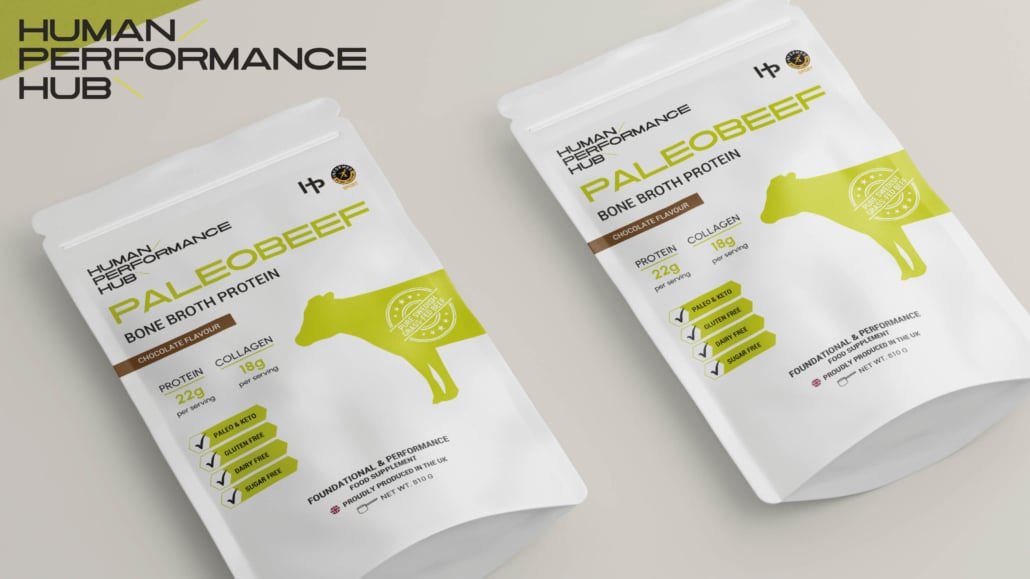
If you’re looking for sustained energy and something that is gentle on your gut, create a bone broth protein drink to sip before your workout. You can also add flavours to the powder to make it taste better, or purchase powder that is already flavoured, such as Human Performance Hub’s PureBeef Chocolate Flavoured Protein Powder.

Take a look at our article “Is Bone Broth Good Before A Workout?” to learn more about the benefits and optimal timings.

Post-Workout Drink

If you want to:

  • Aid muscle recovery
  • Reduce inflammation in muscles and joints
  • Hydrate and replenish electrolytes

Then, having your bone broth protein powder as a post-workout drink will be the best option. It will aid muscle recovery by repairing and rebuilding the muscle tissues after your workout, reduce inflammation as it includes collagen and gelatin, and hydrate and replenish electrolytes such as calcium, potassium, and magnesium.

Add To Recipes

If you’d prefer to take the bone broth protein powder as a meal rather than a drink, you can add it to your meal instead. For example, try using the bone broth as a base for soups, stews, or even as a liquid base for cooking rice. 

If you do prefer to add the powder to your meals, make sure to grab a flavourless option!

Why Choose HPH Bone Broth Protein

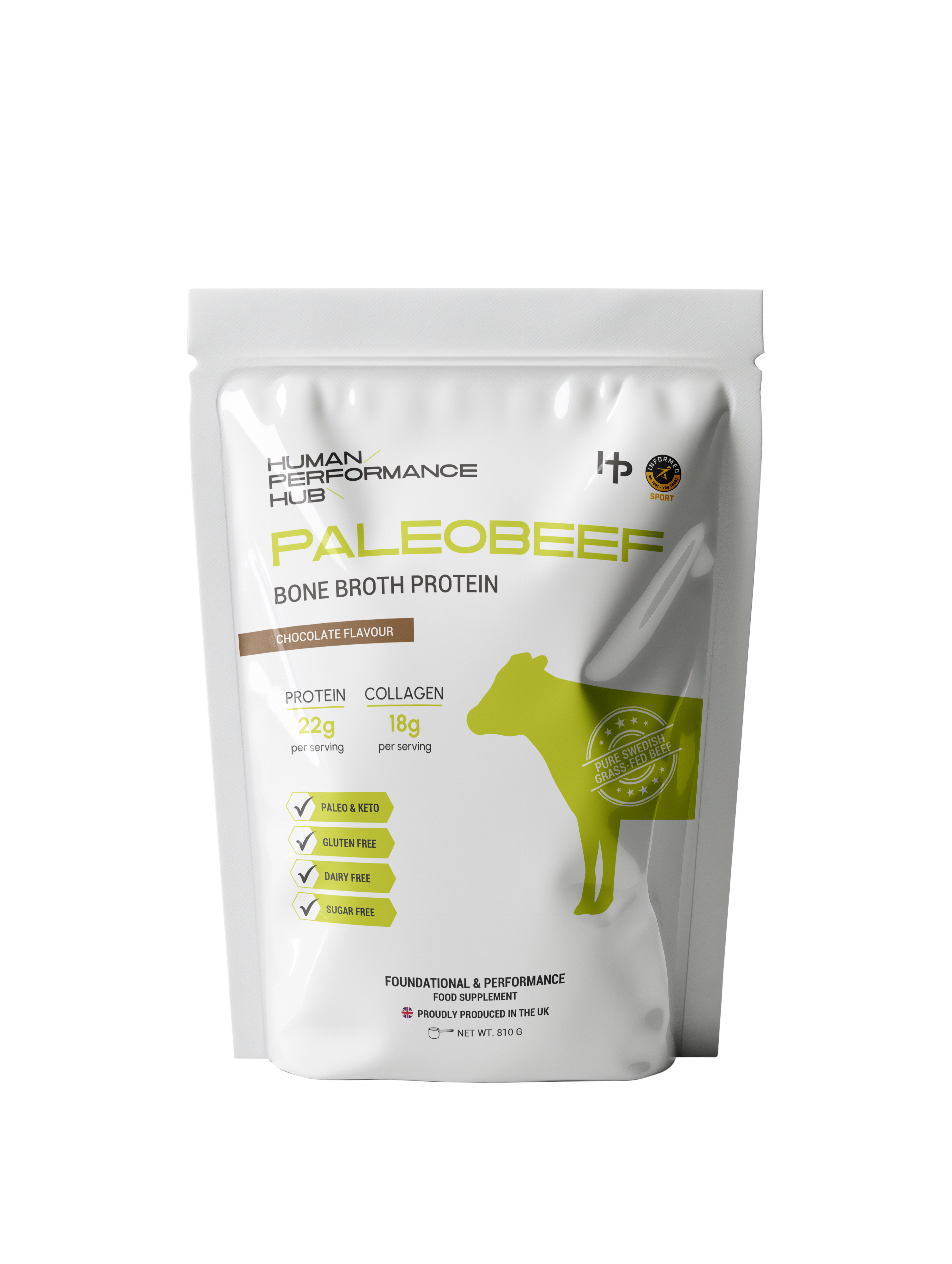
If you’re looking for a great-tasting bone broth protein powder that is also dairy-free, made from grass-fed beef, and yields 22 grams of protein per serving, our PureBeef Bone Broth Protein could be the one for you! What’s more, it’s free from GMOs, hormones, and antibiotics, making it safe for athletes and certified by Informed Sport.

Shop our HPH Bone Broth Powder below to start your clean, healthy fitness journey!


Human Performance Hub Bone Broth Protein

How to lose weight naturally, showing a person eating healthy food.

“Fat reduction needs a calorie deficit.”

You’ve heard it everywhere – and technically, it’s true. To lose fat, your body must use more energy than it takes in. But that’s only one part of the story.

In practice, many people reduce their calories for weeks – sometimes drastically – yet see little or no change in body fat. Others can lose weight quickly at first, only to plateau or lose mainly muscle, instead of fat.

So, if calories matter, why doesn’t the math always work?

To understand how to lose weight naturally, we need to take a deeper look at the science behind losing weight, and how your body actually responds to changes in diet, hormones, and energy balance.

To lose weight naturally, you need a steady (not extreme) calorie deficit supported by quality sleep, hormones, and protein intake. Research shows muscle prevention, nutrient density, and stress control are all key parts of the science behind losing weight effectively – and keeping it off.

Read on to discover how to lose weight naturally, the real science behind fat loss that fad diets don’t tell you, and how to create an environment where your body can burn fat effectively and sustainably.

The Truth About Calorie Deficits

By definition, a calorie deficit means that your body exerts more energy than it consumes. In this state, it draws on stored energy from glycogen, fat, or, if pushed too far, muscle, bones, and organs – to make up the shortfall.

That’s the foundation of fat loss, but it’s also where the science of losing weight gets more complicated. Your energy balance isn’t an exact number – it’s a fluctuating equation that’s influenced by many variables.

Online calorie calculators and fitness trackers offer a guide, but it’s not a guarantee. Studies have shown a difference between actual and calculated calorie burn in about 30% of cases.

What Does Your Calorie Needs Depend On?

Your true energy needs shift daily, and depend on: 

  • Activity level 
  • Total muscle mass
  • Sleep quality 
  • Physical and mental stress levels
  • Basal Metabolic Rate (the minimum number of calories your body needs to perform basic life-sustaining functions, such as breathing, circulation, and cell repair, while at rest)
  • NEAT (Non-Exercise Activity Thermogenesis)
  • Thyroid function and hormones

So while calorie balance matters, understanding how to lose weight naturally means recognising that your body is dynamic, not mechanical.

Your body is not a calculator when losing weight. A woman holding a calculator that says "error".

Why Your Body Isn’t a Calculator

In theory, eating less equals losing weight. In reality, your body doesn’t behave like a simple math equation – it’s an adaptive system that’s designed for survival.

When calorie intake drops sharply, your body makes changes to compensate for the lack of incoming energy by saving energy:

  • Basic metabolic rate slows down
  • Thyroid hormone levels (T3 and T4) drop
  • Non-exercise movement decreases
  • Appetite and cravings increase

These are subconscious survival mechanisms. The body isn’t aware that you’re dieting, even if your conscious brain is – it only senses scarcity and reacts.

Over time, this “metabolic adaptation” makes fat loss slower, harder, and more frustrating. Extreme calorie restriction can even cause the body to resist fat breakdown entirely. Instead of burning fat, it clings to it, prioritising survival over aesthetics.

That’s why the key to losing weight naturally is balance, not extremes. So, how do you find this balance?

  1. Hormonal Regulation: The Invisible Weight Loss Barrier

Hormones are the gatekeepers of energy use – deciding whether to store or release fat. Their most important roles include:

  • Leptin: Signals energy sufficiency to the brain. Low levels (from under-eating) tell your body to conserve energy.
  • Insulin: Regulates blood sugar and fat storage. Chronic stress or poor sleep can increase insulin resistance, making fat loss harder.
  • Cortisol: The “stress hormone”. Constantly elevated, it encourages belly fat storage and impairs recovery.
  • Thyroid Hormones (T3 and T4): Control metabolic rate. Dieting too aggressively can suppress them, lowering overall energy expenditure.

The science behind losing weight shows that hormonal balance is essential – not just calorie reduction.

  1.  Mitochondrial Function: Your Fat-Burning Engine

Fat loss depends on the mitochondria, which are the tiny “power plants” in your cells that convert stored fat into usable energy. If mitochondrial function is impaired due to stress, inactivity, or nutrient deficiency, fat burning slows down even if you’re in a deficit.

Micronutrients like magnesium, B vitamins, and iron are crucial for energy metabolism. That’s why it’s important to prioritise nutrient-dense foods and high-quality protein sources.

At Human Performance Hub, we provide Informed Sport certified Bone Broth Protein Powder that is rich in amino acids and collagen, supporting mitochondrial health, tissue repair, and gut function – vital for natural, consistent progress. Read our guide on how bone broth can help you lose weight to find out more.

  1.  Chronic Dieting & Metabolic Adaptation

When the body experiences long-term restriction, it adapts by lowering its baseline energy needs – which is a survival mechanism known as metabolic adaptation.

Common symptoms can include:

  • Fatigue and low motivation
  • Stubborn body fat that won’t shift
  • Reduced exercise performance

The solution to this lies in strategic nutrition, not further restriction. Maintain a steady protein intake (to preserve muscle) and strength train regularly to ensure that your body continues to use energy efficiently. Natural proteins like our HPH Bone Broth Protein Powder can be great for maintaining lean muscle mass and recovery during calorie restriction.

4. Female Metabolism & The Menstrual Cycle

Women’s metabolism naturally fluctuates across the menstrual cycle. During the luteal phase, calorie needs rise while insulin sensitivity drops. This can lead to water retention or slower visible progress – even when fat loss is occurring.

Cycle-aware training and nutrition are crucial when learning how to lose weight naturally. Adjusting protein and micronutrient intake throughout the month helps to sustain energy, mood, and progress.

A stressed woman eating food and staying healthy

5. Inflammation, Stress, & Fat Loss Resistance

Chronic stress can trigger inflammation and disrupt hormonal balance. High cortisol levels signal your body to conserve energy and store fat – especially around the midsection.

Inflammation from poor sleep, overtraining, or an unbalanced diet can also hinder fat metabolism.

Bone broth naturally contains glycine, an amino acid that supports relaxation, reduces inflammation, and promotes restorative sleep – all key factors in the science behind losing weight sustainably.

6. The Power of Protein for Natural Fat Loss

Protein is essential in any natural fat loss plan. It helps to:

  • Preserve lean muscle mass
  • Increases fullness and reduces cravings
  • Boosts calorie burn through thermogenesis

HPH Bone Broth Protein provides a clean, collagen-rich source of protein that supports gut health, muscle recovery, and hormonal balance – all vital parts of the science behind losing weight naturally.

7. Micronutrients: The Overlooked Fat-Loss Factor

Micronutrients like vitamin C, magnesium, and B vitamins play crucial roles in metabolism. When calorie intake drops, micronutrient intake often falls too – reducing metabolic efficiency.

The lose weight naturally, ensure your diet includes whole, nutrient-dense foods or consider supportive supplementation.

8. Sleep, Recovery, and Regeneration

Poor sleep disrupts hunger hormones – increasing ghrelin and reducing leptin – while raising cortisol levels. This hormonal shift increases appetite and decreases fat oxidation.

Studies show that those who sleep less lose more muscle than fat. Even in identical calorie deficits.

Quality sleep enhances recovery, hormone balance, and metabolic health – the foundation for losing weight naturally. Bone broth protein, rich in glycine, can support deeper, more restorative sleep and faster recovery. Find out more in our guide on bone broth and sleep.

Support Your Natural Weight Loss with HPH

At Human Performance Hub, we believe in supporting the body, not fighting against it. Our PaleoBeef Bone Broth Protein Powder offers a collagen-rich, gut-friendly source of protein – helping you stay strong, nourished, and energised as you lose weight naturally.

Clean ingredients, backed by science, and designed for results.

Shop HPH Bone Broth Protein today and give your body the support it needs to perform and transform – naturally.


At Human Performance Hub, quality and trust are at the heart of everything we do. That’s why we’re proud to announce that our PaleoBeef Bone Broth Protein is now officially certified by Informed Sport.

This accreditation confirms that our product is among the best bone broth powders  available for athletes, professionals, and anyone who values clean, tested nutrition.

Read on to learn what Informed Sport certification means, why it matters, and why our bone broth is a standout healthy natural protein powder.

What is Informed Sport?

Informed Sport is an independent global certification programme for sports supplements. Managed by LGC, a world-renowned sports anti-doping laboratory, Informed Sport tests products for more than 250 banned substances to ensure athletes can trust the supplements that they’re taking.

This means that:

  • Every batch is tested for contamination.
  • Products are manufactured to the highest quality standards.
  • Athletes, coaches, and nutritionists can choose supplements with complete confidence.

When a product displays the Informed Sport logo, you can rest assured that it’s been thoroughly tested and is safe for use in training and competition.

Why Informed Sport Certification Matters

For athletes, even tiny traces of banned substances can have serious consequences. With Informed Sport certification, you can have peace of mind knowing that your supplements are 100% clean, safe, and transparent.

This isn’t just about elite athletes. Recreational lifters, endurance runners, and health-conscious individuals can all benefit from the assurance that comes with third-party testing.

By choosing supplements that are certified, you know you’re getting exactly what’s on the label, and nothing else.

What Makes HPH PaleoBeef Bone Broth Protein Special?

Our bone broth protein stands out because it combines traditional nutrition with modern performance needs. It’s high in protein with 22g per serving, and 18g of collagen per serving. Here’s why it’s different:

  • Collagen-Rich – Supports joint, tendon, ligament health and skin.
  • Protein-Dense – A natural source of high-quality protein to fuel recovery.
  • Gut-Friendly – Easier to digest than many whey or casein-based powders.
  • Pure & Natural – Made with no additives, fillers, or artificial ingredients.
  • No Lactose – In contrast to whey, there’s no irritability from lactose.

Our mission is to empower people with knowledge, personalised services, and quality supplements so they can make informed decisions to improve their health. 

“We built this to be foundational nutrition for athletes and everyday high performers.” Roan Heming

With our Informed Sport certification, you can be confident that it’s one of the safest and cleanest protein powders available on the market.

Why Do Athletes Choose Bone Broth Protein?

Collagen, glycine, and proline, the amino acids that are naturally found in bone broth protein, are especially important for athletes. They support:

  • Faster recovery after training
  • Reduced joint pain and stiffness
  • Stronger connective tissues
  • Better resilience against injuries

Unlike many standard protein powders, bone broth provides more than just muscle repair – it helps maintain the entire musculoskeletal system.

For more information, read our guide on if bone broth protein is good for workouts.

Buy HPH PaleoBeef Bone Broth Protein

With Informed Sport certification, our HPH PaleoBeef Bone Broth Protein meets the highest standards of quality and trust in sports nutrition. Whether you’re an elite athlete, weekend warrior, or simply looking for the best bone broth powder to support your health, you can be confident that every scoop is safe, pure, and effective.

If you want a healthy, natural protein powder that supports recovery, performance, and health from the ground up, this is it.


When it comes down to weight loss, many people look to fad diets and tricks to shave off the pounds. However, many of these only consider whether there is a calorie deficit – not how the body reacts to it. 

The human body is not a calculator. It is a complex regulatory system that constantly determines how energy is used, based on hormones, nutrient availability, internal stress levels, training stimuli, and sleep. If you want to lose fat, you need more than control over numbers.

Because of this, one of the best strategies for losing weight is to find simple, natural ways to feel satisfied and keep your body healthy and happy without overeating. One increasingly popular option is beef bone broth, which is often used as a healthy, natural protein powder. But does it help you lose weight? The answer lies in how protein and specific nutrients in bone broth affect your appetite, metabolism, and cravings:

Beef bone broth can support weight loss because it is naturally low in calories but high in protein, which helps you feel full for longer. The amino acids in this healthy natural protein powder may also support metabolism, reduce cravings, assist sleep, and boost your overall health.

Read on to learn how bone broth works, why protein is key for weight management, and how this healthy protein powder alternative can fit into your diet.

Article Contents

Can Beef Bone Broth Help You Lose Weight?

How does bone broth help you lose weight?

The short answer is: yes, it can. Because beef bone broth is low in calories but high in protein (which makes you feel fuller), it allows you to eat fewer calories while still feeling full and keeping your cravings at bay.

The proteins and nutrients within bone broth also support satiety, metabolism, and overall wellness – making you feel great while losing weight, which will help you sustain it long-term. This will also allow the body to stay in the right state to lose weight, rather than panicking because you’re not feeding it enough. Because it’s versatile, it can also be a great way to get some other healthy fruits into your diet by making a smoothie as a snack or meal!

How Does Protein Help You Stay Full?

One of the key aspects of bone broth’s effect on weight loss is that it’s packed full of amino acids. In fact, it’s actually a naturally complete protein source. Unlike carbs or fats, it has a strong effect on satiety hormones and is the most satiating macronutrient, helping you feel satisfied after meals and less likely to snack between them.

  • Ghrelin – known as the hunger hormone – bone broth can help regulate ghrelin to ensure that you’re not getting unnecessary cravings.
  • Leptin – bone broth enhances the body’s sensitivity to leptin, which is the hormone that is responsible for signalling fullness.
  • Glutamine – feeds gut cells, reduces inflammation, and improves nutrient absorption, helping you feel fuller for longer.
  • Arginine – boosts circulation and aids muscle recovery, keeping energy levels stable and hunger in check between meals.

The Role of Bone Broth on the Metabolism

While calories in vs calories out is the key component of weight loss, it’s not all about cutting calories – it’s also about keeping your body working efficiently. Beef bone broth supports metabolic health in several ways:

  • Glycine – improves insulin sensitivity and prevents blood sugar spikes, reducing hunger crashes.
  • Glutamine – helps preserve lean muscle mass, which is vital for maintaining a high resting metabolic rate (meaning you’ll naturally burn more calories!).
  • Arginine – stimulates growth hormone release, supporting fat metabolism and appetite regulation.
  • Proline – aids collagen synthesis and tissue repair, helping your body stay active and burn more energy.

The results: better fat burning, more energy, and improved efficiency in how your body uses nutrients.

Can Bone Broth Reduce Cravings?

One of the hardest parts of a weight-loss journey is managing your cravings and avoiding trips to the snack cupboard. Bone broth helps here too:

  • Protein and Amino Acids – slow digestion, keeping you fuller for longer and reducing snacking urges.
  • Glycine – calms the nervous system and promotes better sleep, lowering stress-related or late-night eating.
  • Glutamine – reduces sugar cravings while keeping nutrient absorption efficient, extending feelings of satiety.
  • Balanced Satiety – Unlike empty-calorie snacks, bone broth delivers nutrition that “sticks with you”, preventing grazing.

Ready to Add Bone Broth to Your Weight-Loss Journey?

Bone broth can have a strong impact on your weight loss, it’s a low-calorie, high-protein, amino acid-rich superfood that keeps you full, curbs cravings, and supports a healthy metabolism. By nourishing your body instead of depriving it, bone broth makes sustainable weight management far more achievable.

If you’re looking for an easy way to add these benefits into your daily routine, our HPH Bone Broth Powder gives you all the power of bone broth in a convenient, tasty form. Perfect for shakes, smoothies, or a quick pre or post-workout boost – it’s designed to help you reach your goals.


Fueling your body properly before training makes a huge difference to your performance, energy, and recovery. While pre-workout supplements are often loaded with stimulants to provide artificial chemical energy, a more natural and effective option is bone broth protein. But many of our clients ask – is bone broth good before a workout? Let’s take a closer look.

Bone broth protein powder is a great option for pre-workout. Its amino acids and collagen support joints and muscles, while the protein content provides steady energy and endurance without heavy digestion or artificial ingredients.

Read on to discover how high-protein bone broth powder can fuel your workouts and why it may be a better choice for you than traditional pre-workout supplements.

How Bone Broth Fuels Workouts

Unlike heavy meals or fast-digesting protein shakes, bone broth protein provides a balanced source of amino acids and collagen that fuel muscles without leaving you feeling sluggish.

Key benefits of taking bone broth protein before training:

  • Sustained Energy – Protein helps stabilise blood sugar and avoid mid-workout crashes.
  • Joint Protection – Collagen, glycine, and proline support cartilage and connective tissues under stress.
  • Easy Digestion – Bone broth protein is gentler on the gut than whey or casein, while also supporting gut health, making it ideal pre-workout.

This makes it particularly useful for strength training, CrossFit, or endurance sessions where both energy and joint support are needed.

For more information on bone broth and amino acids, read our guide: Does Bone Broth Protein Have All Amino Acids?

The Best Time to Take Bone Broth Protein

For most people, the ideal time to take high-protein bone broth powder is about 30-60 minutes before training. This allows enough time for digestion while still giving your body access to amino acids and collagen during exercise.

If you train in the morning and don’t want a full meal, a simple shake using chocolate bone broth protein powder mixed with water or almond milk can provide clean, efficient fuel without weighing you down.

Can Bone Broth Improve Endurance?

Yes, bone broth may support endurance in several ways:

  • Electrolytes – like potassium and magnesium help with hydration and muscle function.
  • Glycine – can support blood flow and oxygen delivery, helping sustain performance.
  • Collagen Peptides – strengthen connective tissues, reducing the risk of joint or tendon pain during long sessions.

While bone broth doesn’t deliver the fast carbs of a sports drink, pairing it with a light carbohydrate snack (like a banana or oats) can create a powerful endurance-friendly pre-workout fuel.

Why Choose Bone Broth Protein Over Other Pre-Workout Options?

Most pre-workout formulas rely on caffeine and stimulants for a temporary boost. Bone broth protein, on the other hand, works by supporting the body’s natural performance systems:

  • Strong joints and ligaments
  • Stable energy release
  • Reduced inflammation post-training

It’s not about quick fixes – it’s about building long-term performance, health, and resilience. For more information, read our guide on bone broth protein vs whey.

Fuel Your Training with HPH Bone Broth Protein

Looking for a clean, effective pre-workout option? Our HPH PaleoBeef Chocolate Bone Broth Protein offers all the benefits of collagen-rich protein in a simple, gut-friendly powder.

Containing 22 grams of protein per serving and free of any GMOs, hormones, or antibiotics – you couldn’t make a better pre-workout choice for your overall performance and health.

By Roan Heming | Updated: 25th August 2025 | Reading time: 7~8 minutes

Most people are told to take calcium (and often vitamin D) for bones. Yet I keep meeting clients with decent calcium intake who still show bone loss on scans—while a clinician flags arterial calcification risk. That head-scratch moment has a name: the calcium paradox. The fix isn’t “more calcium”; it’s better calcium traffic control—and that’s where vitamin K2 earns its keep.


The short version

  • Vitamin D3 helps you absorb calcium.
  • Vitamin K2 helps you use calcium in the right places—into bones and teeth, away from arteries and soft tissues.
  • Without enough K2, two key proteins—osteocalcin (bones/teeth) and matrix Gla protein, MGP (blood vessels)—stay inactive, so calcium is more likely to end up where you don’t want it. (PMC, PubMed)

A quick word about the book & author

This idea was popularised for the general public by Vitamin K2 and the Calcium Paradox by Kate Rhéaume-Bleue, ND, a Canadian author and naturopathic doctor. She trained at the Canadian College of Naturopathic Medicine and has written extensively for lay readers on nutrition and bone/heart health. (Google Books, HarperCollins)


What the science actually says (kept simple)

1) Mechanism you can picture

  • Osteocalcin and MGP are vitamin-K-dependent proteins. K2 “switches them on” (carboxylation). Active osteocalcin helps lock minerals into bone/teeth; active MGP helps block calcification in arteries. (PMC, PubMed)


2) Population & clinical signals

  • In the Rotterdam Study, people eating more K2 (menaquinones) had less aortic calcification, lower CHD risk, and lower CVD mortality—K1 didn’t show the same signal. Observational, but important. (PubMed)
  • The blood marker dp-ucMGP (the inactive form of MGP) is consistently linked with more vascular calcification and higher CVD risk—useful for research context, not a routine NHS test. (PMC, atherosclerosis-journal.com)


3) Randomised trials (bones)

  • MK-7 (K2) for 3 years in post-menopausal women slowed the age-related decline in BMD and improved K-status in one well-known RCT. (PubMed)
  • But evidence isn’t one-way: another 3-year MK-7 trial (both groups also received vitamin D3 and calcium) did not show a BMD advantage vs placebo. Science evolves; context matters. (PubMed)
  • In Japan, high-dose MK-4 (menatetrenone, 45 mg/day)—a prescription-style dose—has reduced fractures in osteoporotic women across several trials (a different use-case than typical nutrition doses). (PMC, PubMed)


Bottom line from me: biology is solid; bone evidence is promising (not perfect), and the vascular story is encouraging but still building. Pairing D3 + K2 is a sensible, low-friction way to help calcium go to the right places.


Vitamin D3 and K2 matter all year (yes, even in summer)

In the UK, the NHS advises everyone to consider 10 µg (400 IU) vitamin D daily in autumn/winter. In spring/summer, many people make enough from sunlight—but not everyone (indoor workers, those who cover skin, or with darker skin may still need a supplement all year). (nhs.uk)

Meanwhile, keeping K2 steady—via food and/or a supplement—helps ensure calcium is directed properly whenever you’re absorbing more (from diet, supplements, or brighter months). Note: the commonly used MK-7 form hangs around longer in the blood (half-life in the ~2–3 days range), which is why once-daily dosing works well. (PubMed, PMC)


Food first (then supplement)

  • Best K2 foods: natto (the king), aged cheeses like Jarlsberg/Gouda/Edam, and some pasture-raised egg yolks/dairy (MK-4). A small RCT with Jarlsberg showed favourable changes in osteocalcin (a K-dependent bone marker). (PubMed)
  • If natto isn’t your vibe (fair!), a quality K2 (MK-7) supplement is an easy back-up.

How I stack this at HPH (safe & straightforward)

Daily, steady approach (most people)

Higher-dose vitamin D users (time-limited, supervised)

  • HPH Ultra Vitamin D3 + K 10K – designed for guided 10,000 IU D3 phases to correct low status; built-in K supports sensible calcium handling while you replete.
    Shop HPH Ultra Vitamin D3 + K 10K

Coach’s safety note: If you’re on warfarin or another vitamin-K-antagonist anticoagulant, speak to your prescriber before using vitamin K. Keep D3 within evidence-based ranges unless a clinician advises otherwise (and re-test to personalise). (nhs.uk)


How to check your bone density in the UK (normal people’s guide)

1) Start with a fracture-risk check
Use the free FRAX calculator (choose UK) to estimate your 10-year fracture probability. If you already have a femoral-neck BMD from a scan, add it; if not, you can still run FRAX on clinical risk factors. (frax.shef.ac.uk)


2) Book a bone density scan if indicated
The standard test is a DEXA (also written DXA) scan—quick, painless, very low radiation. Your GP can refer you when risk is elevated; private options exist too. Results come as a T-score (normal, osteopenia, or osteoporosis) and are interpreted alongside age, fracture history, meds, etc. (not in isolation). (nhs.uk, theros.org.uk)


3) Know the basic UK guidance

  • Who gets scanned? Typically those >50 with risk factors or <50 with notable risks (e.g., fragility fracture, certain medications). (nhs.uk)
  • What do pros use? Clinicians follow NOGG guidance for assessment/treatment and use FRAX ± DEXA to decide on next steps. (nogg.org.uk)

Results to expect (and how we measure them)

  • Bones: Over months to years, we aim to stabilise or improve BMD and see healthy bone-turnover markers.
  • Vessels: We don’t claim magic, but K-dependent MGP activation is one way we help the body resist inappropriate calcification while you manage the big rocks (training, nutrition, sleep, bloods). (PubMed)

FAQs (I get these daily)

Is K1 from greens enough?
Great for normal clotting, but K2 is the form most associated with bone and vascular tissues. I coach clients to get both. (PMC)


Do I still need K2 if I don’t take calcium?
Yes—K2 is about directing the calcium you absorb from food and D3, not just tablets. It’s a “traffic warden,” not a calcium booster. (PMC)


How long do you think I should notice anything?
This isn’t a stimulant. Think 8–12 weeks for vitamin D status checks and months to years for bone metrics (depending on your baseline and plan). (nhs.uk)


Coach’s take-home

If you’re serious about bone strength, dental health, and a calmer vascular story over decades, don’t run a calcium + D plan without the K2 traffic warden. Prioritise K2-rich foods, pair your D3 intelligently with K2, and personalise with simple testing and review.

When you’re ready, I’ve built the two simplest tools for you:

If you want my eyes on your current stack or bone/vascular labs, drop me an email at info@humanhubltd.co.uk, and we’ll map it out.


References

  1. Mechanism—bones & vessels:
    Gundberg CM. Adv Nutr. Osteocalcin needs vitamin K-dependent carboxylation to function in bone. (PMC)
    Schurgers LJ. Thromb Haemost. MGP is a vitamin-K-dependent inhibitor of vascular calcification. (PubMed)
  2. Observational—heart & arteries:
    Geleijnse JM et al. The Rotterdam Study: higher dietary K2 intake linked with less CHD and less aortic calcification. J Nutr. 2004. (PubMed)
    Roumeliotis S et al. Review: inactive MGP (dp-ucMGP) associates with vascular calcification and mortality. Int J Mol Sci. 2019. (PMC)
    Willeit K et al. dp-ucMGP linked to incident CVD and all-cause mortality. Atherosclerosis. 2022. (atherosclerosis-journal.com)
  3. Randomised trials—bone outcomes:
    Knapen MHJ et al. 3-year MK-7 improved K-status and slowed BMD decline in post-menopausal women. Osteoporosis Int. 2013. (PubMed)
    Rønn SH et al. 3-year MK-7 (with D3 + calcium given to both groups) showed no BMD difference vs placebo. Osteoporosis Int. 2021. (PubMed)
    Iwamoto J (review). High-dose MK-4 (45 mg/day) reduces fractures in Japanese trials (pharmacological context). Nutrients. 2014. (PMC)
  4. Food sources & markers:
    Lundberg HE et al. Jarlsberg cheese intake increased osteocalcin vs control cheese—supports K2-rich foods. BMJ Nutr Prev Health. 2022. (PubMed)
  5. UK-specific vitamin D guidance (year-round context):
    NHS: everyone should consider 10 µg (400 IU) D in autumn/winter; some groups should take it all year. (nhs.uk)
  6. MK-7 half-life (why once-daily works):
    Schurgers LJ et al. MK-7 has a longer half-life and keeps vitamin-K-dependent proteins active more consistently. Blood. 2007. (PubMed)
    Mladěnka P et al. Review of K kinetics: MK-7 ~3-day half-life vs hours for K1. Nutrients. 2021. (PMC)
  7. Bone density—how to test (UK):
    NHS explainer on DEXA (what it is, who gets it, what results mean). (nhs.uk)
    Royal Osteoporosis Society guide to DXA and interpreting T-scores in context. (theros.org.uk)
    NOGG summary: UK guideline framework clinicians use for bone assessment/treatment. (nogg.org.uk)
    FRAX (University of Sheffield): free tool for 10-year fracture risk (UK model available). (frax.shef.ac.uk)

General information only; not medical advice. If you take anticoagulant medication (e.g., warfarin) or have relevant medical conditions, consult your clinician before using vitamin K. Keep vitamin D within safe ranges unless otherwise advised, and re-test to personalise.

Sleep and bone broth protein

Have you been wondering if bone broth, or protein powder with bone broth, will help with sleep? Many people use a mug of warm bone broth powder as a soothing evening ritual – but what does the science say? Let’s break down the evidence, explain the key nutrients involved, and look at how bone broth can support sleep, relaxation, and recovery. So first of all, does bone broth help with sleep?

Yes! Beef bone broth protein contains glycine, magnesium, and collagen, which can improve sleep quality by promoting relaxation, lowering body temperature, and supporting the nervous system. This makes it a natural, nutrient-rich option for better rest and recovery.

Read on to find out more about how amino acids affect sleep, how sleep affects athletic performance, and bone broth’s role in relaxation, stress, and sleep quality. Plus, get some helpful tips on how to integrate bone broth into our sleep routine!

Article Contents:

Bone broth powder is rich in glycine, which is an inhibitory neurotransmitter that is known to encourage sleep. Human studies have shown that approximately 3g of glycine taken before bed can improve sleep quality and reduce the time it takes to fall asleep. And our HPH Bone Broth Protein Powder contains 4.6g of glycine per serving!

This is because glycine lowers the core body temperature and supports serotonin and melatonin production, aiding both relaxation and sleep onset.

While these studies use isolated glycine supplementation rather than bone broth – it shows that bone broth’s natural glycine content makes it an appealing whole-food source of these benefits.

Can Bone Broth Help Reduce Stress?

Glycine isn’t all about sleep – it can also act as a calming neurotransmitter, helping to modulate stress response and lower cortisol levels. This helps to reduce stress and anxiety, making it a comforting option before bedtime to avoid lying awake with loud thoughts.

How Bone Broth Supports Relaxation

Outside of glycine, protein powder with bone broth also contains minerals like magnesium. This is another calming agent that helps regulate the nervous system and promote muscle relaxation.

Magnesium supports the “rest and digest” response, helping to lower physical tension and mental stress before bed. When taken as part of an evening routine, nutrients like this can create a natural, soothing effect that prepares the body for sleep.

Bone Broth, Gut Health, and Sleep

While many people might think the main sleep benefit of bone broth is it helping you to relax, one of the core benefits comes from its impact on digestive health.

Protein powder with bone broth contains natural collagen and gelatin content that make it a valuable ally for digestive wellness. These proteins supply amino acids like glutamine, which helps maintain the integrity of the gut lining and supports a balanced inflammatory response in the digestive tract.

A healthy gut can have a huge positive impact on sleep quality by reducing discomfort that might otherwise disrupt sleep. It also supports overall nutrient absorption, amplifying the other benefits from other nutrients and minerals. This allows bone broth to offer a comprehensive approach to recovery, resilience, and long-term sleep quality.

Practical Sleep Strategies Using Bone Broth Protein

At Human Performance Hub, we recommend bone broth protein powder to all of our clients, including top athletes. Here are a few of our ideas for how you can integrate protein powder with bone broth into your routine to maximise sleep and recovery:

Strategy Our Tips
Evening Ritual Sip a warm mug of bone broth about 30-60 minutes before bed to harness the glycine and magnesium benefits
Combine with Sleep Hygiene Reduce screens before bed, maintain a consistent schedule, and create a relaxed environment
Optimise Training Recovery Use bone broth powder post-workout or post-dinner to support joint repair, immunity, and sleep simultaneously
Use as a Snack or Shake Blend bone broth protein into a light shake – rich in collagen and amino acids – to support sleep without overloading calories or digestion
Monitor Responses Track sleep onset, waking frequency, and next-day energy. Adjust serving time or portion if needed

Guide to using bone broth protein for sleep

If you find it’s taking you too long to fall asleep after drinking bone broth protein, try having it earlier in the evening – around 60 – 90 minutes before bed. If you’re waking often during the night, a slightly larger serving could sustain its relaxing effects, whereas if you feel full, a smaller portion could be more comfortable.

Sleep Better with HPH PaleoBeef Bone Broth Protein

Ready to put science into action? Our HPH PaleoBeef Bone Broth Protein Powder is naturally rich in glycine, magnesium, and collagen – key nutrients for supporting deep, restorative sleep. Made from grass-fed, hormone-free cattle with no additives, it’s clean, nutrient-dense, and versatile.

Whether you sip it warm before bed or add it to a shake, you’re getting premium nutrition designed to help you relax, repair, and wake up ready to perform. Plus, it contains 22 grams of protein per serving!

Back-to-Strength: My Simple 7-Day Performance Reset (Evidence-Backed)

By Roan Heming | Updated: 19 August 2025 | Reading time: ~8 minutes

When routines wobble (holidays, heat, late nights), performance drops in predictable ways: sleep gets messy, protein dips, hydration slips, joints grumble. The fix isn’t a 12-week overhaul; it’s one focused week that resets your baselines and reminds your body what “good” feels like. Below is the exact 7-day reset I use with clients—and myself—plus the why behind each lever and how to stack supplements intelligently (not excessively).


What you’ll do for 7 days

  • Protein baseline: 25–35 g per meal, 3 meals/day (top up with HPH PaleoBeef Bone Broth Protein if short).
  • Hydration: 2–3 L water daily; add a pinch of salt pre-training or use an electrolyte if you’re a salty sweater.
  • Training cadence: 2 strength, 1 conditioning, 1 long walk (60–90 min).
  • Sleep anchor: Lights out 22:30; screens off 60 min before bed.
  • Meal rhythm: 3 meals + 2 fruit snacks; pack veg into meals 2 & 3.
  • Move more: 8–10k steps; 10 min mobility post-session.

These six behaviours cover 90% of what drives energy, body comp, and training quality in a normal week.


Why it works (the evidence, simply)


1) Protein: hit the per-meal trigger, not just daily totals

Muscle protein synthesis is dose-responsive per meal and plateaus once you hit roughly 0.4 g/kg/meal (that’s ~30–40 g for most). Spread across the day, that lands you in the sweet spot of ~1.6 g/kg/day for strength and hypertrophy when you’re training. If you’re under on a meal, plug the gap with a clean protein source—bone broth protein is an easy, low-lactose option. (PMC, PubMed)

Coach note: If you’re 75 kg, target ~30 g per meal (breakfast, lunch, dinner). On heavy days, add a shake or bone broth with breakfast or post-training.

2) Hydration & sodium: not just water

Hydration needs jump with heat, intensity, sweat rate, and duration. Starting euhydrated and including sodium around longer/hot sessions improves fluid retention and reduces hyponatraemia risk—particularly for heavy sweaters or sessions >60–90 minutes. Practical guide: weigh in/out on a hot day; replace ~150% of losses over the next 2–4 hours and include electrolytes. (PubMed, PMC)

Coach note: A simple pinch of salt in pre-training water works. If you see salt rings on your kit, you’re likely a salty sweater.

3) Sleep: cheap performance gains

Extending sleep (even by 45–60 minutes/night) can improve sprint performance, accuracy, reaction time, mood and daytime alertness. In athletes, sleep extension improved on-court measures after several weeks—small, real improvements that compound across training blocks. (PMC)

Coach note: Protect the last hour of the day: dim lights, phone away, magnesium (see below), same lights-out time.

4) Collagen support for tissues that take a beating

If you’ve had cranky tendons/ligaments, consider 15 g collagen/gelatin + 50 mg vitamin C ~45–60 min pre-loading (skips, jumps, light plyos). This protocol increased markers of collagen synthesis in a controlled trial—useful during return-to-run/lift phases. (PubMed)

Coach note: This is in addition to your daily protein, not a replacement.


Smart supplementation (keep it tight)

I’m not a “more is better” coach. Start with food, then add 2–3 targeted products that match your goals and bloods. The stack below pairs with the reset and has decent evidence behind it.

Omega-3 (EPA/DHA): recovery and soreness

Doses around 2–3 g EPA+DHA/day in studies can help reduce post-exercise muscle soreness and markers of muscle damage, with some improvements in recovery. Nice to have during higher training loads or if your fish intake is low. (PMC, PubMed)

HPH pick: Omega-3 Ultra with your largest meal.

Magnesium (bisglycinate): sleep quality & wind-down

In populations with poor sleep, magnesium has improved sleep efficiency and latency. I like bisglycinate for tolerance; typical 200–400 mg elemental 60–90 min before bed. If you already sleep well, treat it as optional. (PMC)

HPH pick: Magnesium Bisglycinate as part of the bedtime ritual.

Multivitamin (insurance when intakes are patchy)

Athletes can develop micronutrient gaps during high-load or low-energy availability phases (iron, D, calcium risk, especially in some groups). A broad-spectrum multi with meals can cover the bases while you fix diet quality. This aligns with consensus guidance: assess needs first; supplement where there’s a rationale. (PMC, British Journal of Sports Medicine)

HPH pick: Bio-Avail Multivitamin at breakfast.

Vitamin D3 (+K): winter primer, check bloods

Vitamin D status matters for bone and muscle. For immunity, older IPD meta-analyses suggested a small protective effect against acute respiratory infections with daily/weekly dosing, especially if deficient; newer analyses are mixed. Bottom line: test, correct deficiency, and avoid mega-boluses. (PubMed, Frontiers)

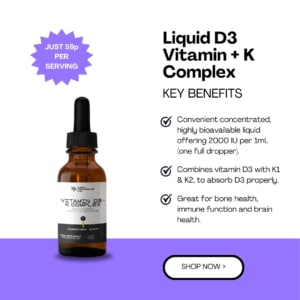
HPH pick: Vitamin D3 + K Complex with food (dose guided by bloods).

Protein (PaleoBeef Bone Broth)

Use bone broth protein to reliably hit 25–35 g/meal without adding lactose or gums. Protein supplementation enhances strength and hypertrophy when total daily intake is otherwise low. (PubMed)

HPH pick: HPH PaleoBeef Bone Broth Protein post-training or with breakfast.


The 7-Day Plan

Training (choose simple, repeatable work):

  • Day 1 – Strength A: Lower-body hinge + push + accessories (40–50 min)
  • Day 2 – Long walk: 60–90 min easy pace (Easy breathing)
  • Day 3 – Strength B: Lower-body squat + pull + accessories (40–50 min)
  • Day 4 – Conditioning: 8–12 × 45 s work / 75 s easy (bike/row/run)

If you’d like a more personal training plan, feel free to let me know. Email me at info@humanhubltd.co.uk

Nutrition anchors every day:

  • Breakfast: 30–35 g protein (eggs/meat + fruit/berries). If short, add bone broth.
  • Lunch & Dinner: palm-sized protein, two fistfuls of veg, olive oil/butter; carbs to match training.
  • Snacks: 2 pieces of fruit; optional yoghurt (sheep/goat) or a small handful of nuts.

Sleep & recovery:

Lights out at 22:30, phone away after 21:30, 10 min mobility post-session.

If tendons are niggly: 15 g collagen/gelatin + 50 mg vitamin C 45–60 min before easy jumping/skipping on 3 of the days. (PubMed)


FAQs

Do I need all the supplements?

No. Pick 2–3 that solve a real problem (sleep, soreness, low fish intake, tested vitamin D insufficiency). This mirrors the IOC consensus: target use with evidence, avoid kitchen-sink stacks. (British Journal of Sports Medicine)

How much salt is “a pinch”?

Start with a small pinch (⅛–¼ tsp) in 500–750 ml water pre-training if you’re a salty sweater or training hot/long. Endurance events may need measured sodium strategies—evidence supports including sodium to aid fluid retention and reduce hyponatraemia risk. (PubMed, PMC)

What if I miss a day?

You didn’t break the reset. Resume the very next meal/sleep block.


Recommended HPH products (hand-picked)

HPH PaleoBeef Bone Broth Protein – hit that 25–40 g/meal target.

HPH Omega-3 Ultra – cover EPA/DHA if fish intake is low.

  • HPH Magnesium Bisglycinate – bedtime wind-down.
  • HPH Bio-Avail Multivitamin – short-term cover while you improve diet quality.
  • HPH Vitamin D3 + K Complex – dose to bloods, especially in darker months.

References

  1. Protein distribution & totals: Schoenfeld et al. 2018; Morton et al. 2018; Hudson et al. 2020. (PMC, PubMed)
  2. Hydration & sodium: ACSM Position Stand 2007; Review on sodium in athletes 2022. (PubMed, PMC)
  3. Sleep extension & performance: Mah et al. 2011. (PMC)
  4. Collagen/gelatin + vitamin C for connective tissue: Shaw et al. 2017. (PubMed)
  5. Omega-3 & recovery: Fernández-Lázaro et al. 2024; Makaje et al. 2024. (PMC, PubMed)
  6. Micronutrients in athletes (context) & supplement prudence: Peeling et al. 2023; IOC Consensus 2018. (PMC, British Journal of Sports Medicine)
  7. Vitamin D (performance/immunity nuance): Wyatt et al. 2024; Martineau et al. 2017; mixed newer findings. (PubMed)